

How to Combine Zone 2 Cardio and Strength Training in One Week
Combine Zone 2 cardio and strength training by protecting the strength sessions first, placing easy aerobic work on separate or low-conflict days, and keeping at least one genuine recovery window in the week.
By Reset90 AI Editorial Team
Short answer: Combine Zone 2 cardio and strength training by protecting the strength sessions first, placing easy aerobic work on separate or low-conflict days, and keeping at least one genuine recovery window in the week. Start with a schedule you can repeat, then adjust volume when fatigue—not motivation—becomes the limiting factor.

Zone 2 cardio and strength training solve different problems. Strength work gives you a reason to practice force, technique, and progressive overload. Zone 2 work builds a quieter aerobic base that can support general fitness and make easy movement feel easier. The challenge is not deciding whether both are useful. It is arranging them so every day does not become a hard day.
You do not need a perfect hybrid-athlete calendar. You need a weekly rhythm that leaves enough energy for the sessions that matter most, fits your actual schedule, and can survive a busy week.
01Define the two types of work in practical terms
“Zone 2” is often used as shorthand for steady, low-to-moderate aerobic work. The exact heart-rate boundary is personal and can be estimated in different ways, so do not treat one formula as a universal medical truth. In practice, the session should feel controlled enough that you can speak in short sentences without turning it into an interval workout.
Strength training is the work that asks you to produce force against meaningful resistance while keeping technique organized. It can be a barbell session, dumbbells, machines, cables, or a carefully progressed bodyweight plan. The equipment matters less than whether the session has a clear movement focus and a way to review progress.
Keep the distinction clear: if the “easy cardio” session becomes a race, it competes with lifting recovery. If the strength session is so random that you cannot tell what improved, adding more cardio will not fix the planning problem.
02Give strength training the priority it needs
If building or maintaining strength is the primary goal, place the most important lifting sessions when you are freshest. This does not mean cardio must disappear. It means you should avoid putting a demanding aerobic session directly before the lower-body workout where performance matters most.
A simple priority order is:
- Schedule the strength sessions you want to protect.
- Add one or two easy aerobic sessions around them.
- Keep at least one lower-demand day for walking, mobility, or full rest.
- Review whether the combined plan improves your week or merely fills every open space.
This also gives you a useful decision rule. If strength performance, sleep, soreness, or motivation steadily worsens, reduce the least important stressor first. You do not have to abandon the whole plan because one week was too ambitious.
03Build a three-day week
A three-day schedule is a strong starting point because it leaves room for life. One option is two full-body strength sessions plus one Zone 2 session:
- Day 1: full-body strength with a moderate amount of lower-body work.
- Day 2: rest or easy walking.
- Day 3: steady Zone 2 cardio at a conversational effort.
- Day 4: rest or mobility.
- Day 5: full-body strength with a slightly different emphasis.
- Weekend: optional easy movement, not a missed-session punishment.
If three training days are all you can repeat, this is enough to create a useful base. You can later extend the aerobic session or add a third short strength exposure, but consistency is the first progression target.
04Build a four-day week
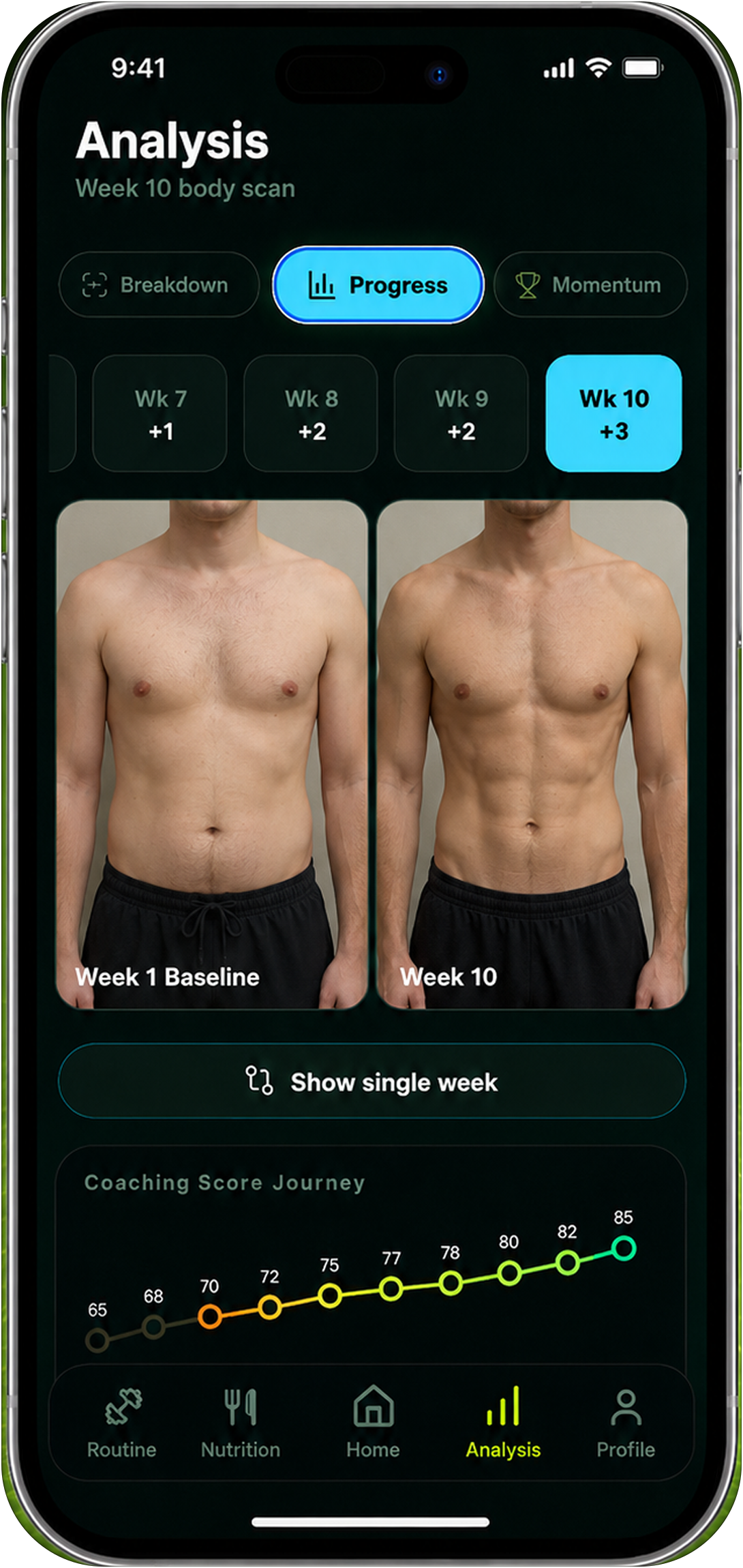
Four days gives you more room to separate stressors. A practical template is two strength days, two easy aerobic days, and at least one day with no formal training:
- Monday: strength, with the session you most want to progress.
- Tuesday: Zone 2 cardio or easy movement.
- Wednesday: rest or a short mobility session.
- Thursday: strength, using the second major movement emphasis.
- Friday: rest.
- Saturday: Zone 2 cardio.
- Sunday: rest, walking, or a flexible catch-up day.
The exact weekdays are not important. The spacing is. Put the harder lower-body lifting away from the aerobic session that leaves your legs most tired, and keep the cardio genuinely easy enough to support the next strength day.
05Build a five-day week without making every day hard
Five training days can work when two of them are clearly low stress. For example, use three strength sessions and two short Zone 2 sessions, with one full rest day:
- Strength on Monday, Wednesday, and Friday.
- Short, easy Zone 2 sessions on Tuesday and Saturday.
- Thursday as a low-demand recovery day.
- Sunday as full rest or relaxed walking, depending on how the week felt.
Do not add a fifth day just because the calendar has an empty square. If the third strength session is already low quality, another session may create more fatigue than fitness. A five-day plan should feel like a distribution improvement, not a test of willpower.
06Choose the right order when sessions share a day
Sometimes work, family, or travel makes a same-day combination unavoidable. When strength quality is the priority, lift first and keep the aerobic work short and easy afterward. If aerobic development is the primary goal for a training block, reverse the order for the session you want to perform best.
When possible, separate the sessions by several hours and fuel normally between them. When that is not realistic, treat the second session as a reduced version rather than forcing the original plan at any cost.
Avoid turning every combined day into a competition. The goal is to accumulate repeatable work, not to prove that you can survive two maximal sessions back to back.
07Protect recovery before you add more work
Hybrid planning fails most often when recovery is treated as leftover time. Keep a few simple checks:
- Are your main lifts stable or gradually improving?
- Can you complete the aerobic sessions at a controlled effort?
- Is soreness resolving before the next demanding session?
- Are sleep, appetite, and energy broadly normal for you?
- Do you still have a day that feels genuinely easy?
If several answers turn negative for more than a few sessions, reduce duration or frequency before adding supplements, complicated recovery tools, or more intensity. You can also keep the schedule and temporarily lower the strength volume or make the cardio shorter.
08Progress one system at a time
Progress does not require increasing everything every week. Choose one change that matches the current bottleneck:
- Add a small amount of time to one Zone 2 session if the aerobic work is consistently easy.
- Add a rep, set, load, or cleaner technique to one strength movement if lifting is the priority.
- Keep both steady and improve attendance if the real problem is schedule friction.
Record what changed. If you increase cardio duration and strength performance drops, you have useful information even if the result was not what you wanted. Change one variable back or reduce it, then run the next week with a clearer hypothesis.
09Adjust the plan when life or fatigue changes
Your weekly plan should have a smaller version. On a busy week, keep the two most important strength sessions and one short aerobic session. On a poorly recovered week, keep the movement pattern but reduce sets, load, or duration. On a travel week, walking and a few simple resistance movements may be enough to maintain the habit.
Do not “make up” a missed session by stacking hard training on the next two days. Resume the sequence where it fits, and use the next weekly review to decide whether the plan needs fewer sessions or more spacing.
10Use safety boundaries, not fear
Exercise should feel challenging in a controlled way, not like a contest against warning signs. Stop and seek appropriate medical guidance if you experience chest pain, fainting, unusual dizziness, or severe shortness of breath. If you have a known cardiovascular condition, an injury, or a medical restriction, get individualized advice before using a new combined training schedule.
For everyone else, the safest default is gradual progression, honest effort ratings, and enough recovery to repeat the work. “More” is not automatically “better” when the next session becomes lower quality.
11How Reset90 can support the weekly plan
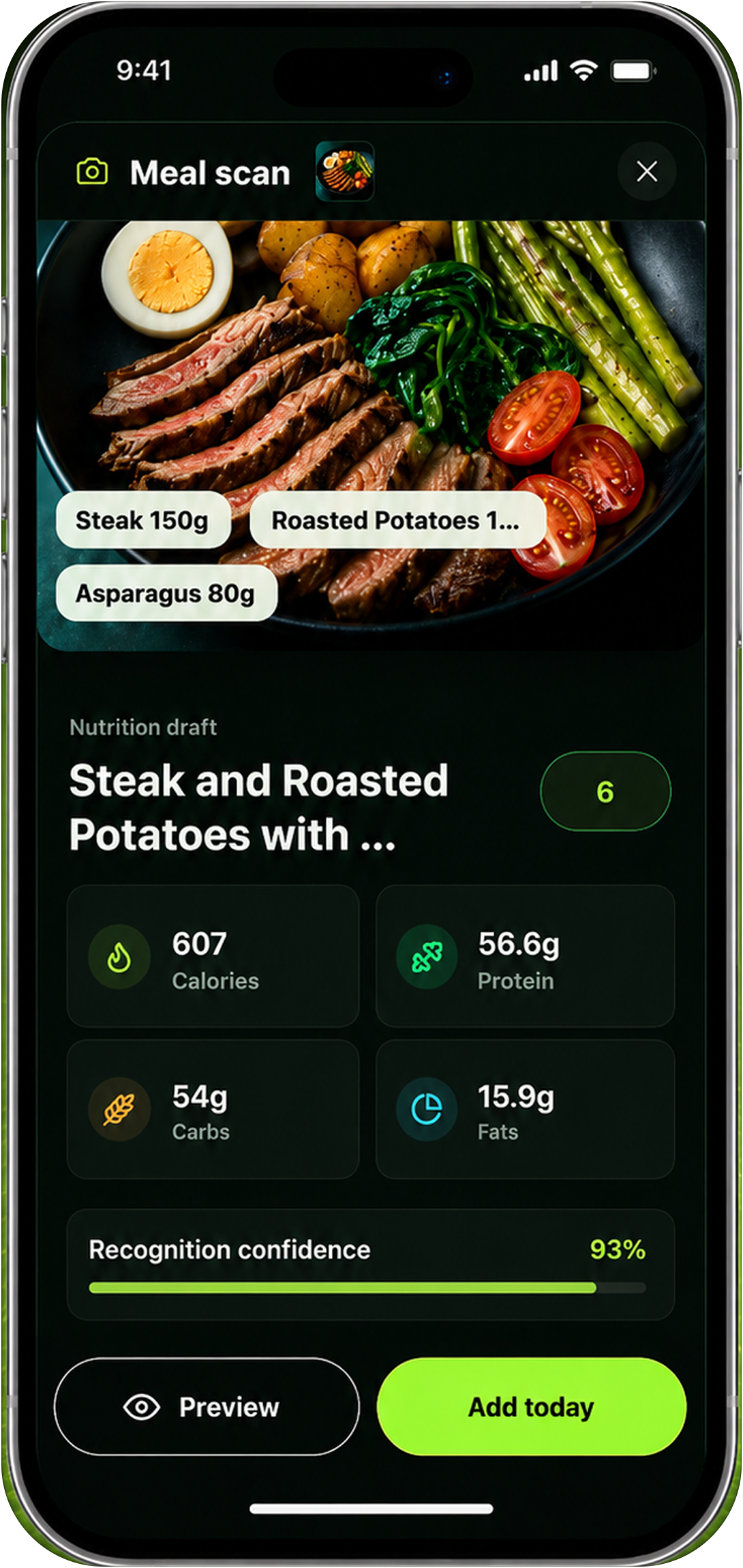
The useful part of a hybrid schedule is not the label. It is remembering what you planned, what you completed, and how the week changed your next decision. Reset90 can help keep a training plan visible so strength sessions, easy movement, and recovery are reviewed as one routine rather than as disconnected goals.
Start with the adaptive workout plan guide if your schedule changes often. Keep the weekly structure simple: protect the key lifts, place easy aerobic work where it does not undermine them, and review fatigue before adding another hard day.
The Reset90 system
Useful ideas for building a body you can keep.
Training notes, product updates, and practical ways to make your next 90 days count.
Start your next 90 days
Get your daily training, nutrition, and check-in priorities in one adaptive system.


Keep reading
Related articles

Ideal Body Measurements for Women
There is no single ideal body measurement set for women. Learn how averages, waist-to-height, body shape and repeatable tracking fit together without chasing a fixed beauty standard.
Read article
Bulk, Cut, or Recomp? A Practical Decision Guide
A practical way to choose a bulk, cut, recomp, or maintenance phase using your goal, training age, recovery, and repeatable progress signals.
Read article
How Often Should You Take Progress Photos?
How often should you take progress photos? Use this goal-based guide to choose weekly, biweekly, or monthly check-ins and make every comparison more consistent.
Read article