

How to Track Nutrition Without Overcomplicating It
A low-friction way to notice what you eat, make better decisions, and avoid turning every meal into a math project.
By Reset90 AI Editorial Team
Nutrition tracking can help you see patterns. It can also become a second job if every meal needs to be measured, calculated, and judged.
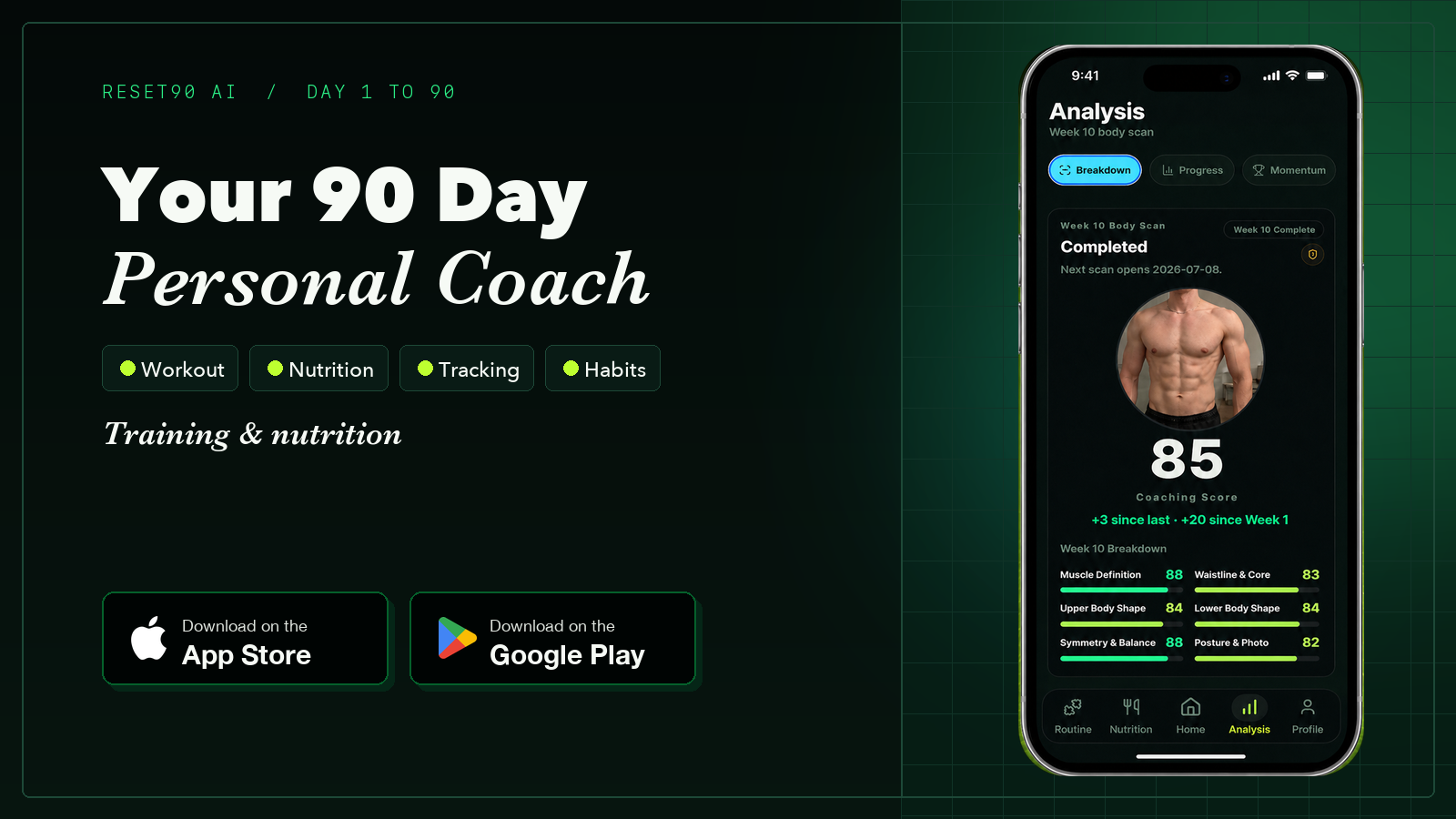
The useful middle ground is simple: track enough to learn what is happening, then use that information to make the next meal easier. You do not need to turn food into a spreadsheet to make progress.
01Start with the question you want to answer
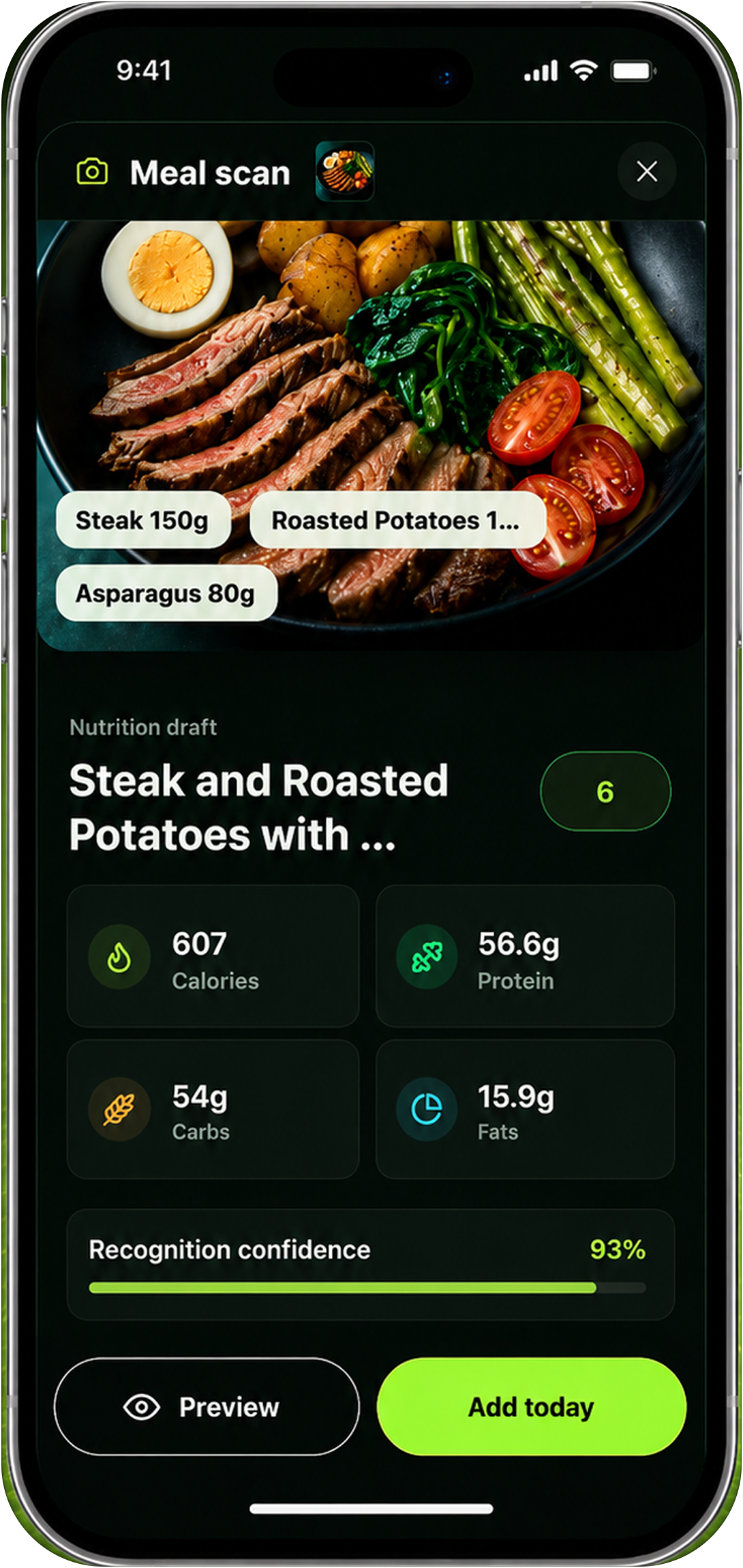
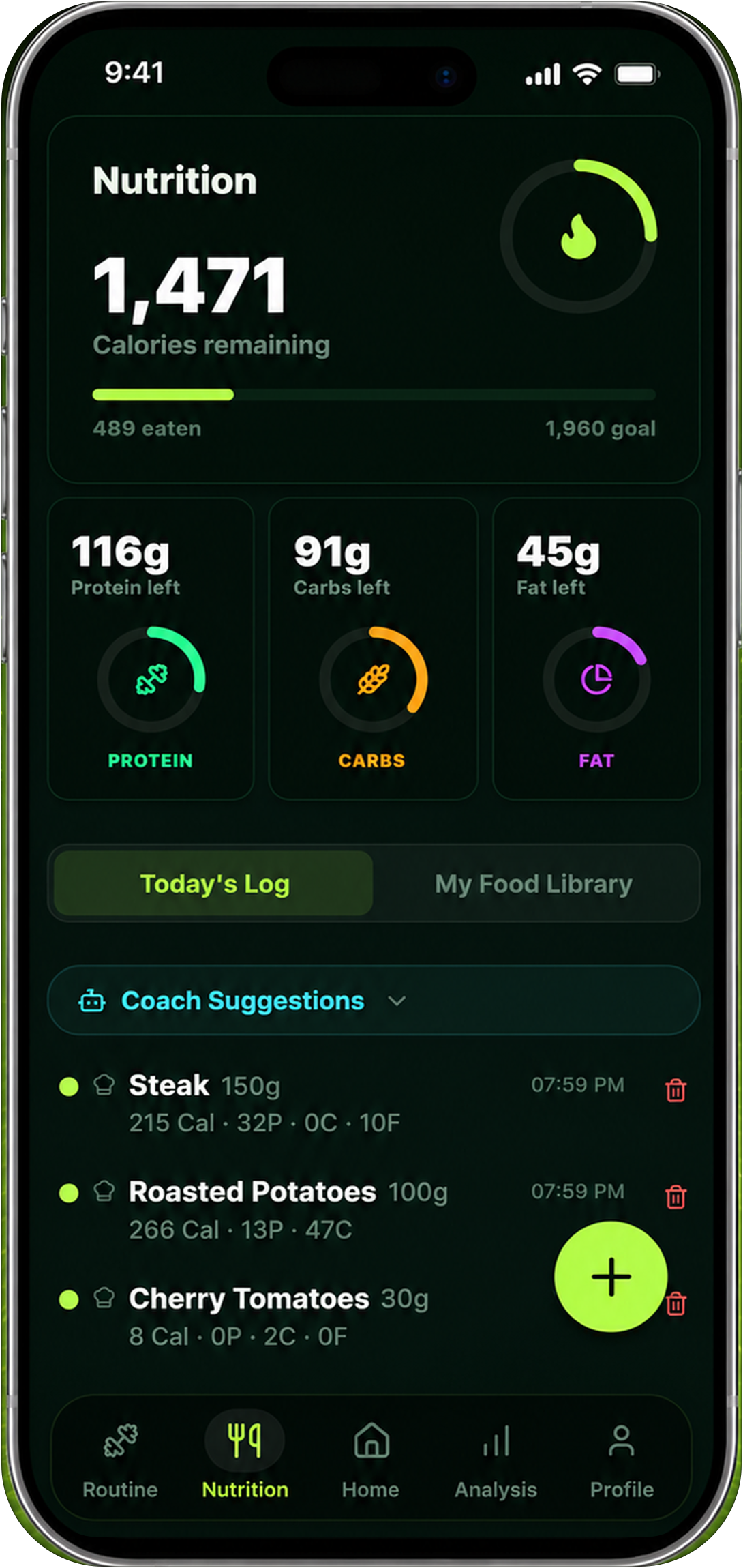
Do not track everything just because an app gives you the option. Decide what you want to understand.
- Am I eating enough to support training?
- Do I get a protein source regularly?
- Why do I feel hungry every evening?
- Which meals are easy to repeat on busy days?
- Is my weekend pattern very different from my weekday pattern?
A clear question gives your tracking a finish line. Once you have learned the pattern, you can simplify.
02Use a simple tool to choose the next step
Try the free Reset90 Plan Fit Check: answer a few questions about time, equipment, and consistency to turn this article into a realistic starting point.
03Use a simple plate structure
For many people, a useful starting point is to build meals around a protein source, a source of carbohydrates, vegetables or fruit, and a satisfying fat source. The exact proportions can change based on your goals, preferences, activity, and medical needs.
This is not a perfect formula. It is a visual prompt that helps you notice what might be missing without requiring exact numbers at every meal.

04Track meals in three levels
Use the level that matches the question you are asking:
- Awareness: record what you ate with a quick note or photo.
- Structure: record the main ingredients and portion cues.
- Precision: weigh and log specific foods when you have a clear reason to do so.
Precision is a tool, not a moral upgrade. If you already know that your weekday breakfast is usually eggs, toast, fruit, and coffee, logging it with extreme detail may not teach you much.
05Build a short list of repeatable meals
Tracking gets easier when you stop inventing every meal from zero. Create a small menu of breakfasts, lunches, dinners, and snacks you genuinely enjoy.
Repeatable does not mean boring. It means the meal is easy to shop for, easy to prepare, and familiar enough that you can adjust it when your schedule changes.
06Review patterns once a week
Daily tracking can make small fluctuations feel important. A weekly review creates more useful distance. Look for patterns:
- Meals you skipped because they were inconvenient.
- Times you were hungry soon after eating.
- Training days when you felt under-fueled.
- Situations that led to unplanned choices.
Then make one practical change. Add a prepared snack. Move lunch earlier. Keep an easy protein option at work. Small adjustments are easier to test than a complete diet rewrite.
07Do not turn tracking into punishment
Food tracking is not a reason to compensate for eating more than planned, skip meals, or train as punishment. If tracking makes you anxious, obsessive, or disconnected from hunger and fullness, step back and consider speaking with a qualified dietitian or health professional.
Nutrition should support your life and training. It should not make every meal feel like a performance review.
08Let training context guide the next meal
A training day may need a different meal rhythm from a rest day. A long workday may require more preparation. A hard session followed by poor sleep may change how much recovery you need. You can learn these relationships without calculating every variable.
That is where a daily check-in becomes useful: not to judge the day, but to connect what you did with what you need next. Read the guide to eating before and after a workout for practical examples.
09Make nutrition easier to continue
The best tracking system is the one you can use long enough to learn from it. Start with awareness, keep the questions clear, and make one adjustment at a time.
Reset90 AI brings training, nutrition priorities, and daily check-ins into one adaptive 90-day system. Try Reset90 AI on the App Store.
Note: This is general educational information, not individualized nutrition or medical advice. Dietary needs vary, especially with pregnancy, diabetes, kidney disease, eating disorders, or other health conditions.

10Related Reset90 reads
- How to compare AI workout planners
- How to create an adaptive workout plan
- Fitness apps for staying consistent
Ready to test the plan? Download Reset90 AI on the App Store or get it on Google Play.
The Reset90 system
Useful ideas for building a body you can keep.
Training notes, product updates, and practical ways to make your next 90 days count.
Start your next 90 days
Get your daily training, nutrition, and check-in priorities in one adaptive system.


Keep reading
Related articles

Ideal Body Measurements for Women
There is no single ideal body measurement set for women. Learn how averages, waist-to-height, body shape and repeatable tracking fit together without chasing a fixed beauty standard.
Read article
Bulk, Cut, or Recomp? A Practical Decision Guide
A practical way to choose a bulk, cut, recomp, or maintenance phase using your goal, training age, recovery, and repeatable progress signals.
Read article
How Often Should You Take Progress Photos?
How often should you take progress photos? Use this goal-based guide to choose weekly, biweekly, or monthly check-ins and make every comparison more consistent.
Read article