
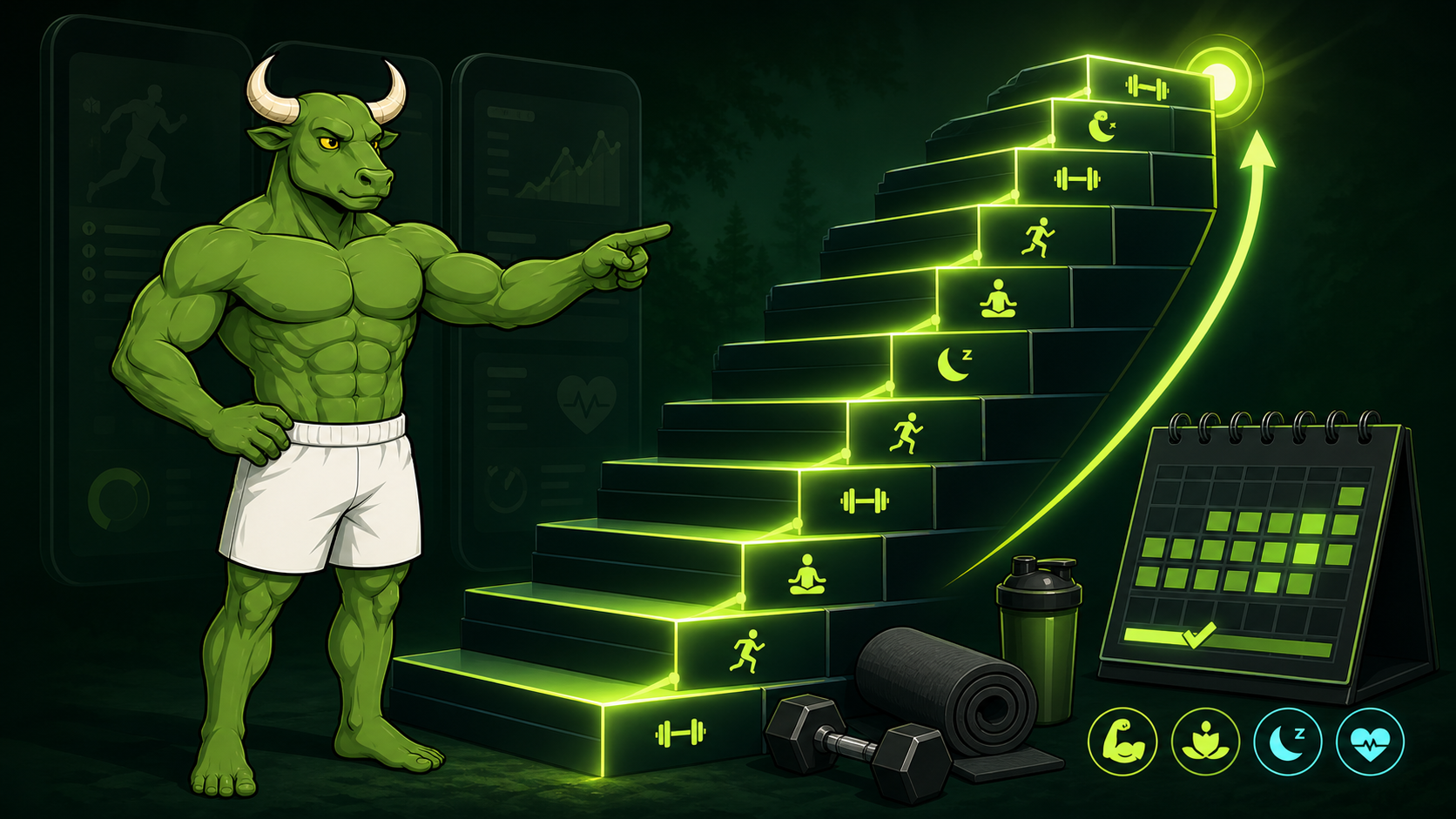
90-Day Fitness Apps Compared
Compare 90-day fitness apps by the job they perform: fixed challenges, workout tracking, coaching, or an adaptive plan that can survive a changing week.
By Reset90 AI Editorial Team
Short answer: The right 90-day fitness app depends on what you mean by “90-day app.” If you mean a branded 90 Day Challenge, you probably want a fixed program with a clear finish line, scheduled workouts, and visible progress. If you want to compare broader 90-day fitness apps, choose between a fixed challenge, a workout tracker, a coaching program, and an adaptive planner. The best fit is the one that matches your goal, schedule, equipment, and response when a week goes wrong.
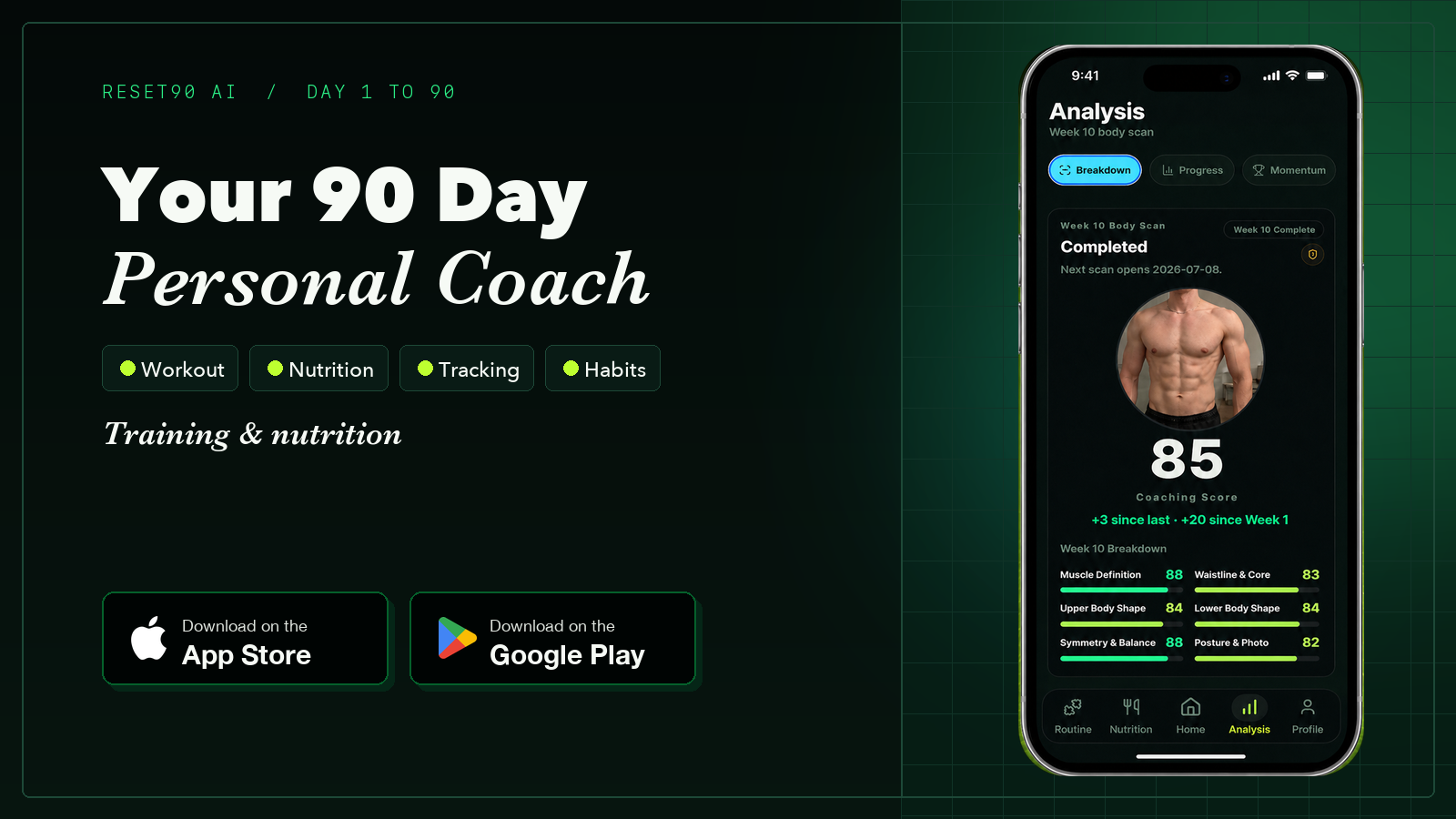
0190-day fitness app: quick choice
Start with the job you want the app to do. The table below is a faster way to narrow the category before you compare individual features.
| App type | Best for | Where the plan comes from | Flexibility after a missed week | Main thing to check |
|---|---|---|---|---|
| Fixed challenge | A visible finish line, streak, or shared 90-day commitment | Pre-built calendar or challenge rules | Usually limited; you may need to pause, repeat, or restart | Does motivation continue after the challenge ends? |
| Workout tracker | Logging lifts, sets, reps, personal records, or measurements | You or a program you already follow | High logging flexibility, but little automatic recovery planning | Does it help you decide what to do next? |
| Coaching program | Human accountability or a specific goal that needs feedback | A coach creates and reviews the plan | Depends on how quickly the coach adjusts the plan | How often are decisions reviewed, and what does it cost? |
| Adaptive planner | A structured reset when time, energy, or equipment changes | An algorithm combines your goal with check-ins and history | Should move, shorten, or scale the next priority | Does it preserve progression instead of generating random workouts? |
There is no universal winner. A challenge can be the right tool for a short burst of accountability, while a tracker can be better for an experienced lifter who already knows the plan. A changing schedule usually needs more adaptation than a fixed calendar can provide.
02The four types of 90-day fitness apps
Most products described as a 90-day app fit one of four operating models. Understanding the model matters more than counting features because it tells you what happens on an ordinary week and on a difficult one.
Fixed challenge apps
Fixed challenge apps give you a start date, a sequence of tasks, and a finish line. A branded 90 Day Challenge is the clearest example: the value comes from knowing what to do today and seeing the streak move toward Day 90. Many include home, gym, or bodyweight options, photos, badges, nutrition guidance, or a community challenge.
Choose this model when your schedule, equipment, and motivation are stable enough to follow a calendar. Before starting, check what happens when you miss two sessions. If the only answer is “restart,” the app may create momentum without creating a durable routine.
Workout trackers
Workout trackers are records first. They help you log exercises, sets, reps, weight, personal records, measurements, photos, or trends. This is useful when you already have a program and want better feedback about what you completed.
A tracker is not automatically a planner. It may show your history without telling you whether to repeat, reduce, or progress the next session. If your goal is to compare 90-day apps because you need help deciding what to do, look for progression guidance and recovery behavior in addition to logging features.
Coaching programs
Coaching programs add accountability and human judgment. A coach may adapt exercise selection, volume, nutrition targets, or the weekly schedule after reviewing your check-ins. This can be valuable for a specific performance goal or for someone who knows the plan is not the main problem—the missing ingredient is follow-through.
The trade-off is cost and response time. Compare how often the plan is reviewed, what information the coach uses, how quickly a busy week can be handled, and whether the support is sustainable for the full 90 days.
Adaptive planners
Adaptive planners keep the goal and progression in view while changing the daily route. They may use your available time, equipment, completed sessions, energy, recovery, or check-ins to decide what should happen next.
The important question is not whether the app says “AI.” Ask whether it remembers what you did, explains why the next action changed, and gives you a smaller version of the plan when life interrupts it. Adaptation should make the 90-day direction more realistic, not turn every day into an unrelated suggestion.
03The interrupted-week test
The fastest way to compare 90-day fitness apps is to simulate a bad week before you commit to one. Test the same four situations across every app:

| Situation | Question to ask | What a useful response looks like |
|---|---|---|
| You miss two sessions | Do you restart, skip ahead, or receive a revised next step? | The app preserves your history and gives you a clear return path. |
| You travel or lose access to equipment | Can the plan switch exercises without losing the training goal? | It offers a realistic equipment or time alternative. |
| You sleep badly or have very low energy | Can the session be shortened or reduced safely? | The plan scales the work and explains what to protect. |
| You have pain or a recovery concern | Does the app tell you when to stop and seek qualified help? | It does not treat pain as a motivation problem or promise a medical solution. |
A fixed program may leave you out of sync with the calendar. A challenge may make a broken streak feel like failure. A coaching program may wait for the next review. An adaptive planner should give you a smaller version of the next priority and a clear way to continue. The test is not which app looks best on Day 1; it is which one still makes sense on Day 27.
0490-day fitness apps compared side by side
| App type | Progression | Tracking and feedback | Accountability | Interrupted week | Best fit |
|---|---|---|---|---|---|
| Fixed challenge | Calendar or challenge milestones | Completion, streaks, photos, or badges | Finish line, community, or streak | Often requires a pause, repeat, or restart | Stable schedules and short-term commitment |
| Workout tracker | Usually comes from your chosen program | Strong history, sets, reps, records, and trends | Mostly self-directed | You can keep logging, but the next plan may be unclear | Experienced users who already know what to train |
| Coaching program | Coach-led and reviewed | Check-ins, messages, and coach feedback | Human accountability | Depends on coach availability and review cadence | Specific goals or a need for external commitment |
| Adaptive planner | Goal-led and adjusted from your history | Completed sessions, check-ins, recovery, and trends | Daily priorities and feedback loops | Should move, shorten, or scale the next step | Changing schedules and users who need a realistic system |
Prices, platforms, trials, privacy terms, and features change. Verify the current listing before you subscribe, especially if you are comparing a free challenge with a paid coaching service. The durable comparison is the product behavior: how it creates progression, records feedback, and handles interruptions.
05How to compare a 90-day fitness app
- Define the 90-day outcome. Decide whether you want consistency, strength, body-composition tracking, conditioning, or a specific event.
- Check the plan source. Is the plan fixed, self-selected, coach-created, or generated from your changing inputs?
- Look for real progression. The app should make it clear how capacity develops rather than only counting completed days.
- Run the interrupted-week test. Ask what happens with less time, different equipment, low energy, or a missed session.
- Review the data boundary. Check what the app records, what feedback it uses, whether you can export or delete data, and whether the cost fits the full 90 days.
- Ask about Day 91. A useful system should leave you with a next routine, a repeatable baseline, or a clear new goal—not a cliff edge.
06What happens after Day 90?
A 90-day container is useful only if it leads somewhere. Compare the exit plan before you start:
| App type | Likely Day 91 decision |
|---|---|
| Fixed challenge | Repeat the challenge, move to a follow-up level, or keep the habit without the streak. |
| Workout tracker | Review the history and choose the next block, progression, or training goal yourself. |
| Coaching program | Continue coaching, change the goal, or use the coach's review to build the next block. |
| Adaptive planner | Use the trend and check-ins to set the next priority without losing useful history. |
07What makes Reset90 different?
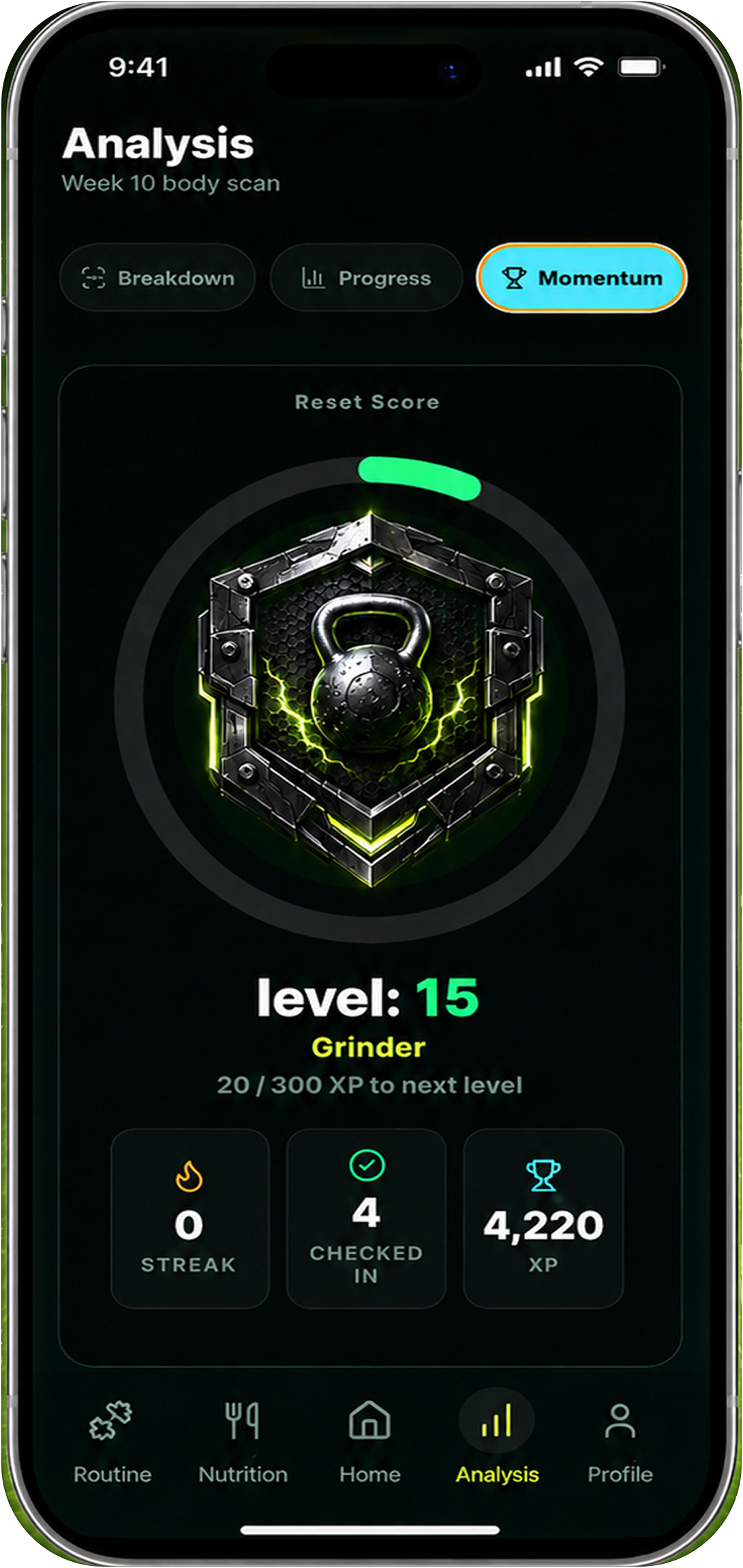
Reset90 AI treats the 90-day block as a practical container for a broader reset. The aim is not only to complete workouts; it is to make the next decision clearer across training, nutrition, recovery, and check-ins.
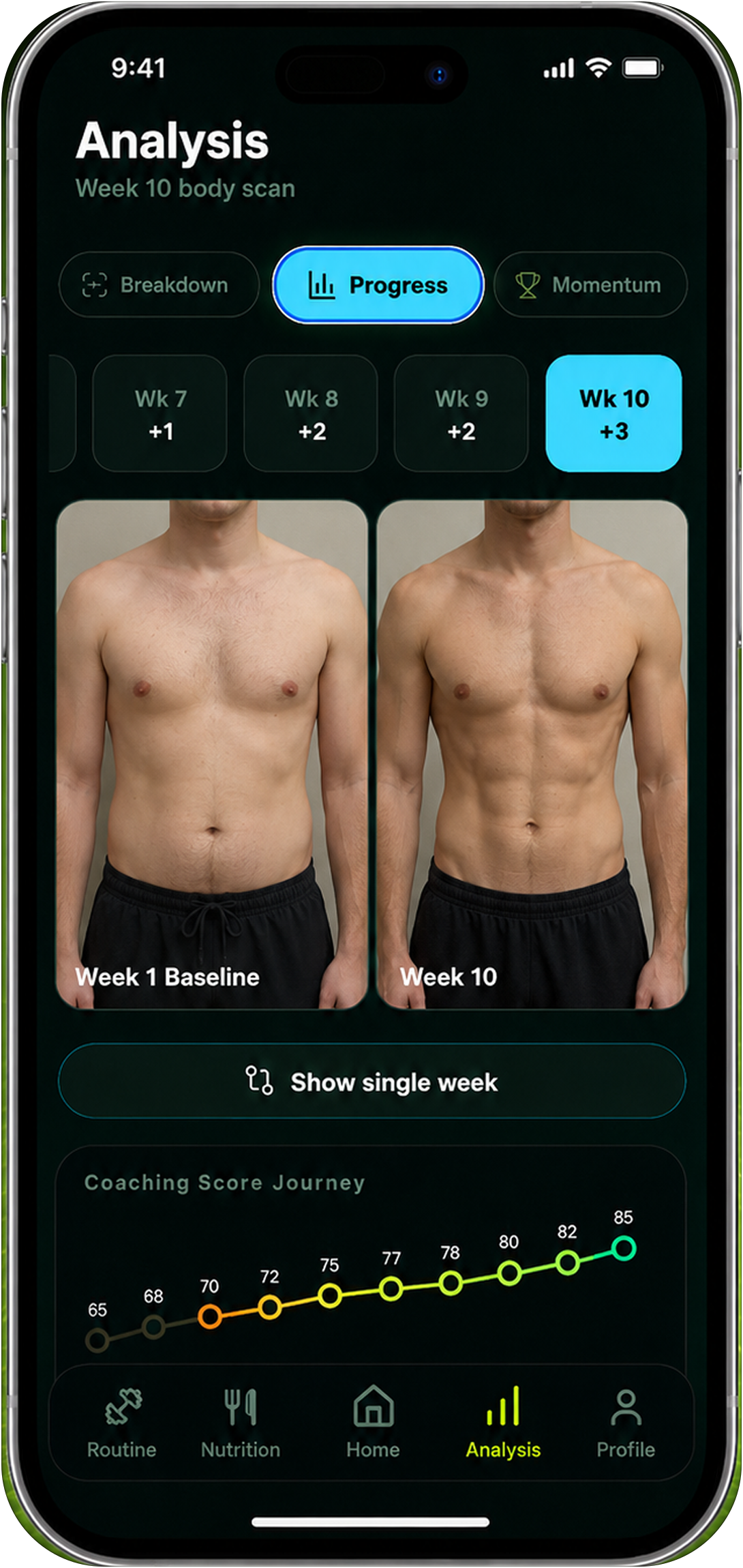
That makes Reset90 an adaptive-planner option for people who want a structured direction but cannot promise that every week will look the same. It is still an early product, so evaluate it with the same interrupted-week test: does it remember what you did, give you a realistic next priority, and help you continue after a difficult week?
Use the Reset90 Plan Fit Check to review your available time, equipment, and consistency before choosing a starting version.
08Frequently asked questions
Is the 90 Day Challenge app a fixed challenge or an adaptive planner?
A branded 90 Day Challenge is generally a fixed or structured challenge: it gives users a defined sequence, finish line, and progress markers. Check the current app listing for the exact pause, schedule, and recovery behavior because those details can change.
What is the difference between a 90-day app and a workout tracker?
A 90-day app usually provides a time-bound direction or program. A workout tracker mainly records what you did. A tracker can be part of a 90-day system, but it does not necessarily choose or adapt the next session.
What should I do if I miss a week?
Do not assume that making up every missed session is the best response. Look for a smaller return session, a way to move the schedule, and a record of what you already completed. If the app has no recovery path, use the least aggressive restart that preserves consistency and ask a qualified professional about pain or injury.
What should happen after Day 90?
You should be able to review the trend, keep a useful baseline, repeat the block, or choose a new goal. The next step should use your history rather than erase it.
Which type is best for an unpredictable schedule?
An adaptive planner is usually the closest fit because it can change the daily route while preserving the goal. A workout tracker can also work if you are comfortable making those adjustments yourself.
Should I compare price, platform, privacy, and trial terms?
Yes. Verify the current price, supported devices, trial renewal, data collection, export, and deletion terms before you subscribe. These details are part of choosing a sustainable app, but they should be checked against the current listing rather than treated as permanent facts.
09Related Reset90 reads
The Reset90 system
Useful ideas for building a body you can keep.
Training notes, product updates, and practical ways to make your next 90 days count.
Start your next 90 days
Get your daily training, nutrition, and check-in priorities in one adaptive system.


Keep reading
Related articles

Ideal Body Measurements for Women
There is no single ideal body measurement set for women. Learn how averages, waist-to-height, body shape and repeatable tracking fit together without chasing a fixed beauty standard.
Read article
Bulk, Cut, or Recomp? A Practical Decision Guide
A practical way to choose a bulk, cut, recomp, or maintenance phase using your goal, training age, recovery, and repeatable progress signals.
Read article
How Often Should You Take Progress Photos?
How often should you take progress photos? Use this goal-based guide to choose weekly, biweekly, or monthly check-ins and make every comparison more consistent.
Read article