
Best Workout Planning Apps for Busy People
A practical guide to choosing a workout planning app when your calendar changes every week and consistency matters more than a perfect schedule.
By Reset90 AI Editorial Team
Short answer: The best workout planning app for a busy person is the one that gives you a clear next workout without punishing you when your week changes. Look for flexible scheduling, short-session options, useful progress history, and a plan that can adapt to your available equipment and time.
01Best workout planning apps for busy people at a glance
Choose the planner by the constraint that usually breaks your routine. If your calendar changes, prioritize adaptation; if your time is fixed, prioritize short intentional sessions; if you already know your program, prioritize logging.
| Your main constraint | Best app type | What to look for | Main tradeoff |
|---|---|---|---|
| Unpredictable schedule | Adaptive workout planner | Moves sessions, changes duration, and protects the week’s priority | Requires enough personal setup to understand your goals |
| Only 15–30 minutes | Time-based planner | Short versions that still have a clear training purpose | A short session may need more consistency to create progression |
| Limited equipment | Equipment-aware planner | Plans that adapt between a gym, dumbbells, and bodyweight | Substitutions should preserve the movement goal, not just swap exercises randomly |
| Already have a program | Workout logbook | Fast set logging, history, and progression charts | It records your plan but usually does not create or adapt it |
| Recovery or sleep is unreliable | Planner with recovery awareness | A sensible easier-day or reschedule path after poor sleep | Recovery data should inform the plan, not become another score to obsess over |
A practical starting point is one app that owns the plan plus one specialist tool you will actually use. The goal is not to fill your phone with fitness dashboards; it is to make the next useful workout obvious.
A full calendar is not a training plan. It is only a prediction of what your week might look like. The right app helps you make a good decision when the prediction is wrong.
02What busy people actually need from a workout planner
Most people do not quit because they cannot find another exercise. They quit because the plan stops fitting their life. A meeting runs late, a child wakes up, a flight gets delayed, or a bad night of sleep changes what is realistic. If the app only knows how to show the original workout, it leaves you with an awkward choice: skip it or force it.
A useful planner should answer four questions quickly:
- What is the most important thing for me to do today?
- How long will the useful version take?
- What can I do with the equipment and energy I have?
- How does today affect the rest of my week?
03Use a simple tool to choose the next step
Try the free Reset90 Plan Fit Check: answer a few questions about time, equipment, and consistency to turn this article into a realistic starting point.
04The five app types worth considering
1. Adaptive workout planners
These apps are best when your schedule is unpredictable. Instead of treating Monday as sacred, they help you keep the training priority while changing the session length, order, or location. This is the category to start with if “I know what to do, but I cannot keep the plan alive” describes your problem.
2. Workout logbooks
A logbook is excellent for people who already know how they want to train. It records sets, reps, loads, and history so you can repeat or progress a familiar routine. It is less helpful if you need the app to decide what to do when life changes.
3. Human coaching apps
A coach adds accountability, context, and a real person who can interpret your feedback. This can be a strong choice when you have a specific performance goal, need close support, or find it hard to act without another person involved. The tradeoff is usually more cost and more coordination.
4. Video workout libraries
Video libraries are convenient and motivating, especially for beginners. They work well when you want to press play and follow along. They can be harder to use for long-term progression because the next workout is not always connected to what you did last week.
5. Habit-first fitness apps
These apps focus on showing up, completing a small action, and building a daily rhythm. They are useful when the biggest barrier is starting. Choose one that lets the habit grow into real training rather than keeping every day equally tiny.
05Features that matter more than a long exercise library
When comparing apps, ignore the temptation to count exercises. A library of thousands of movements does not solve a crowded calendar. Instead, check whether the app offers:
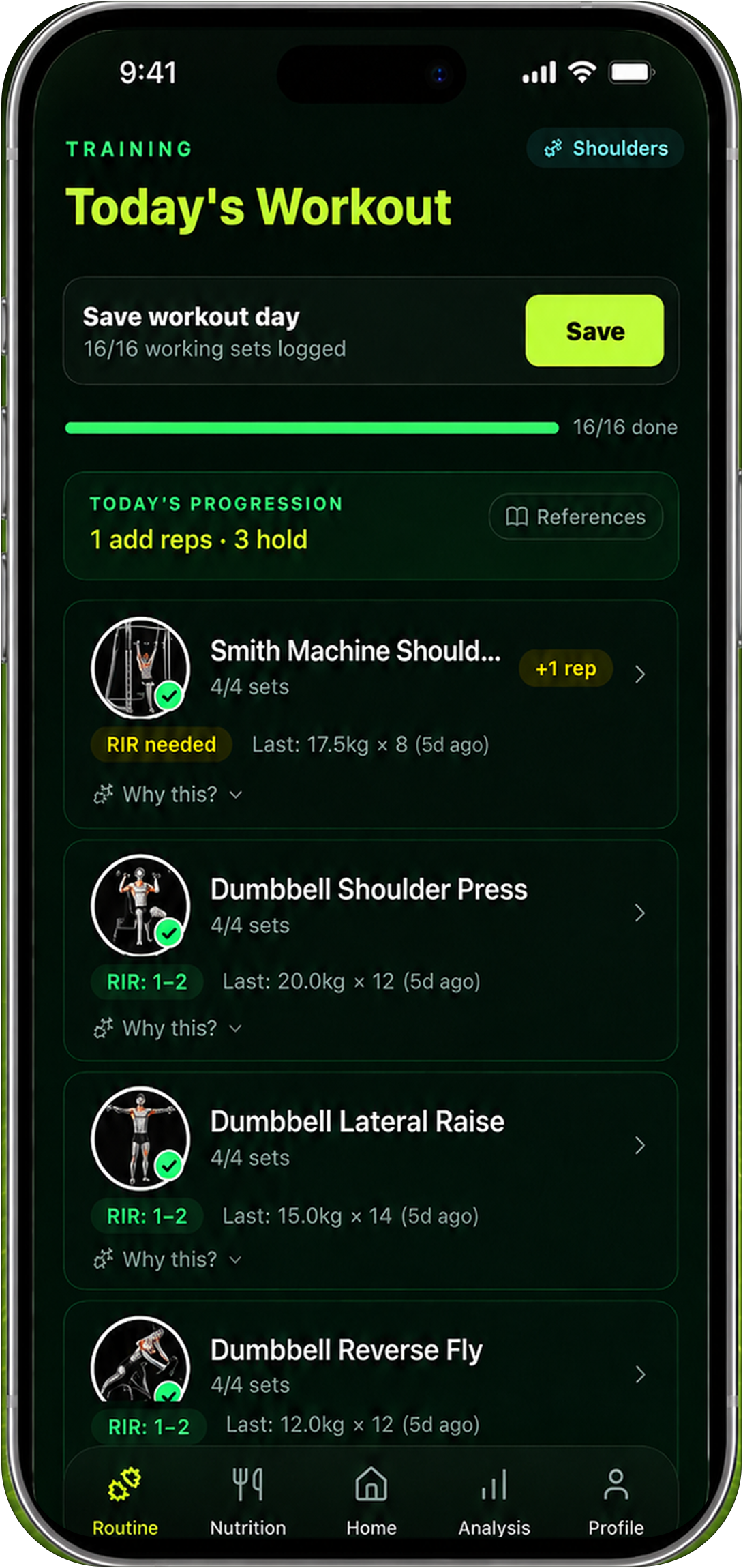
- Time-based alternatives: a 15-minute and 45-minute version should both feel intentional.
- Schedule flexibility: you should be able to move a session without losing your place.
- Equipment choices: the plan should know the difference between a full gym, a few dumbbells, and no equipment.
- Recovery awareness: hard days should not pile up simply because the calendar says so.
- Simple history: you should be able to see what you have actually done, not only what you intended to do.
- A low-friction start: opening the app should lead to an action, not another hour of setup.
06Our practical pick for different situations
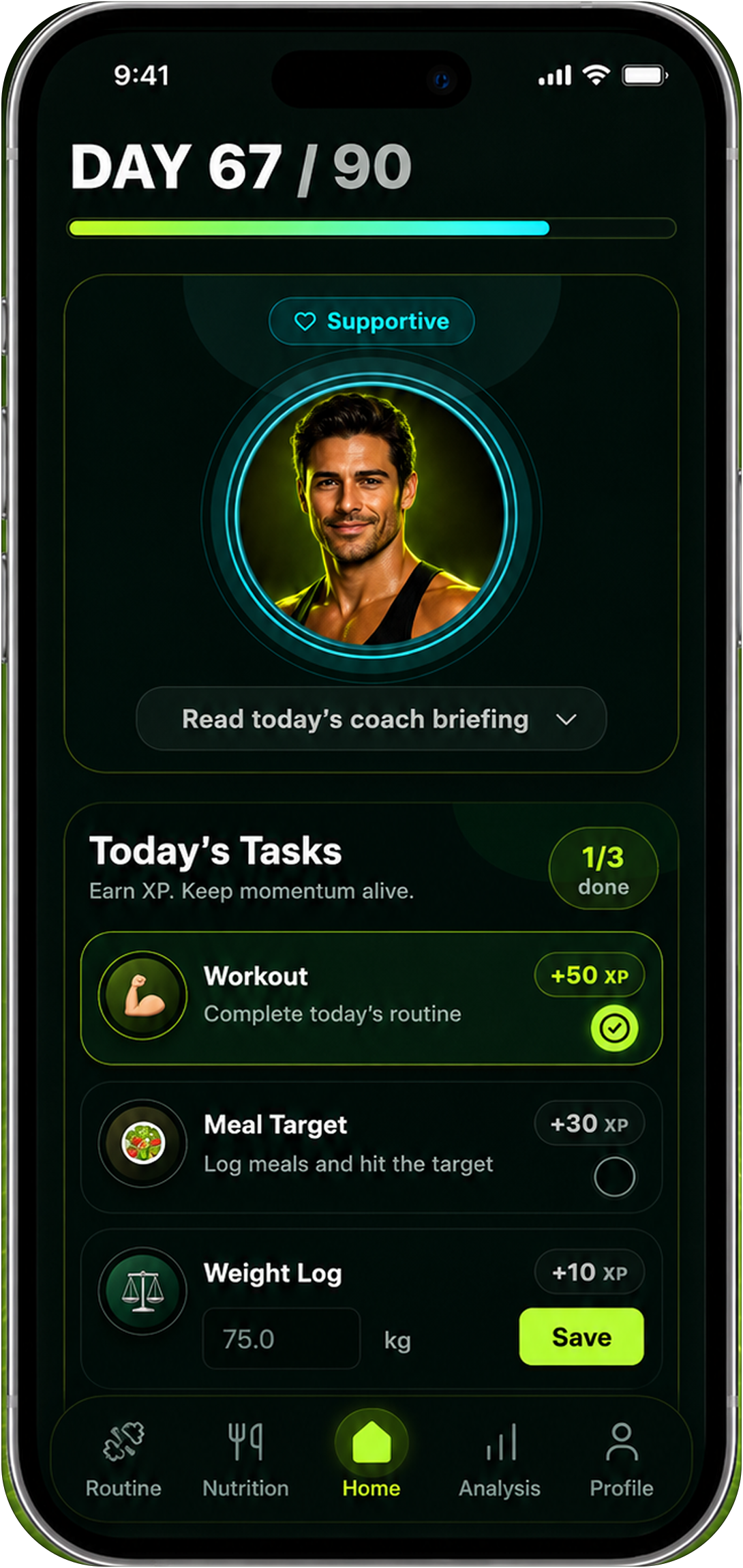
If you already have a program and want precise records, choose a logbook. If you need a person to keep you accountable, choose coaching. If you mainly want enjoyable guided sessions, choose a video library. If your week changes constantly and you want a 90-day direction with a realistic next step, an adaptive planner is the better fit.
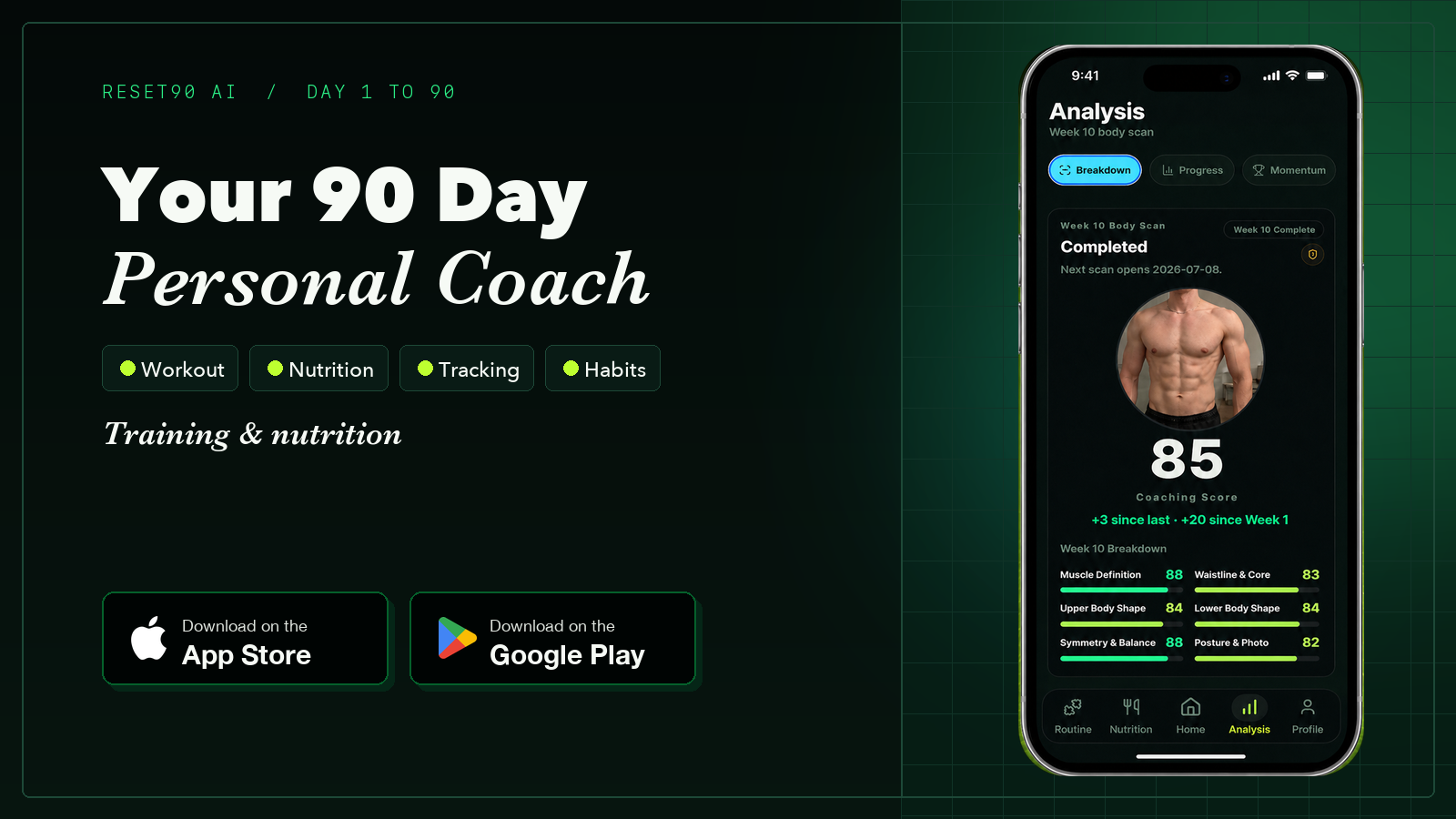
That is the problem Reset90 AI is designed around: turning a longer goal into the next useful action while leaving room for real life. Start with this guide to building an adaptive workout plan if you want to see the thinking behind it.
07How to test an app before committing
- Enter a realistic week, not your fantasy week.
- Try changing one workout to a shorter session.
- Remove the equipment you do not reliably have.
- Miss one session and see whether the app gives you a sensible recovery path.
- Ask whether the suggested next step is clear in less than a minute.
08A founder dashboard snapshot, not a ranking claim
As of August 2, 2026, the App Store Connect 90-day overview for Reset90 displayed 50 first-time downloads, 18 redownloads, 535 impressions, 144 product page views, and a 20.5% conversion-rate card. Google Play's most recent 28-day dashboard showed 1 device acquisition, 1 first open, and 15 monthly active users. These are early platform snapshots with different definitions and date windows; they should not be added together or treated as proof that one app is better.
What they do show is why I care about the whole path from discovery to first workout. A product page can earn a view, and an account can generate a plan, without the person completing a session. That gap is the product problem I am still working on.
09Founder note: why I care about the “next workout”
Building Reset90 made one distinction impossible to ignore: having a plan is not the same as taking the next action. In my first 33 days, 38 accounts were created and 32 people generated a workout plan, but only 5 accounts recorded a completed workout. That is a tiny early product snapshot, not a fitness benchmark. Still, it changed the question I ask when I compare workout apps: does this product help someone start, or does it only help them prepare?
That is why Reset90 is built around a 90-day direction and a daily priority instead of a giant exercise catalogue. The product is still learning, and I am not presenting this early funnel as proof that one app is better. I am sharing it because it is the real reason this comparison values a clear next step so highly. You can read the full first-month numbers in my first-month founder note.
The best app is not the one with the most impressive onboarding. It is the one you can still use on a tired Thursday. If you want a planner built around a 90-day reset, try Reset90 AI on the App Store.
General educational information only. Adjust training for your experience, health, and professional guidance.
10Related Reset90 reads
- How to compare AI workout planners
- How to create an adaptive workout plan
- Fitness apps for staying consistent
Ready to test the plan? Download Reset90 AI on the App Store or get it on Google Play.
The Reset90 system
Useful ideas for building a body you can keep.
Training notes, product updates, and practical ways to make your next 90 days count.
Start your next 90 days
Get your daily training, nutrition, and check-in priorities in one adaptive system.


Keep reading
Related articles
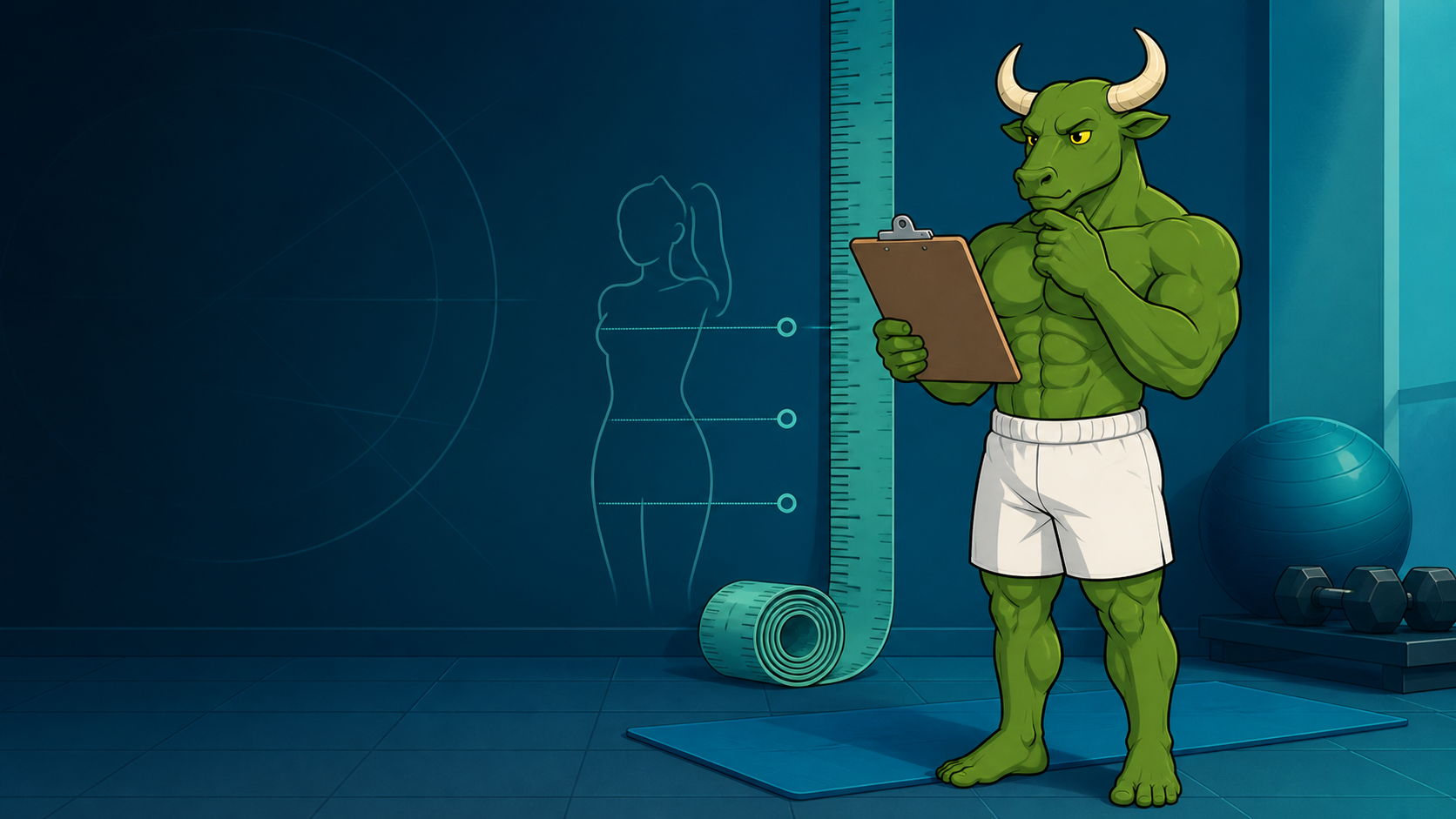
Ideal Body Measurements for Women
There is no single ideal body measurement set for women. Learn how averages, waist-to-height, body shape and repeatable tracking fit together without chasing a fixed beauty standard.
Read article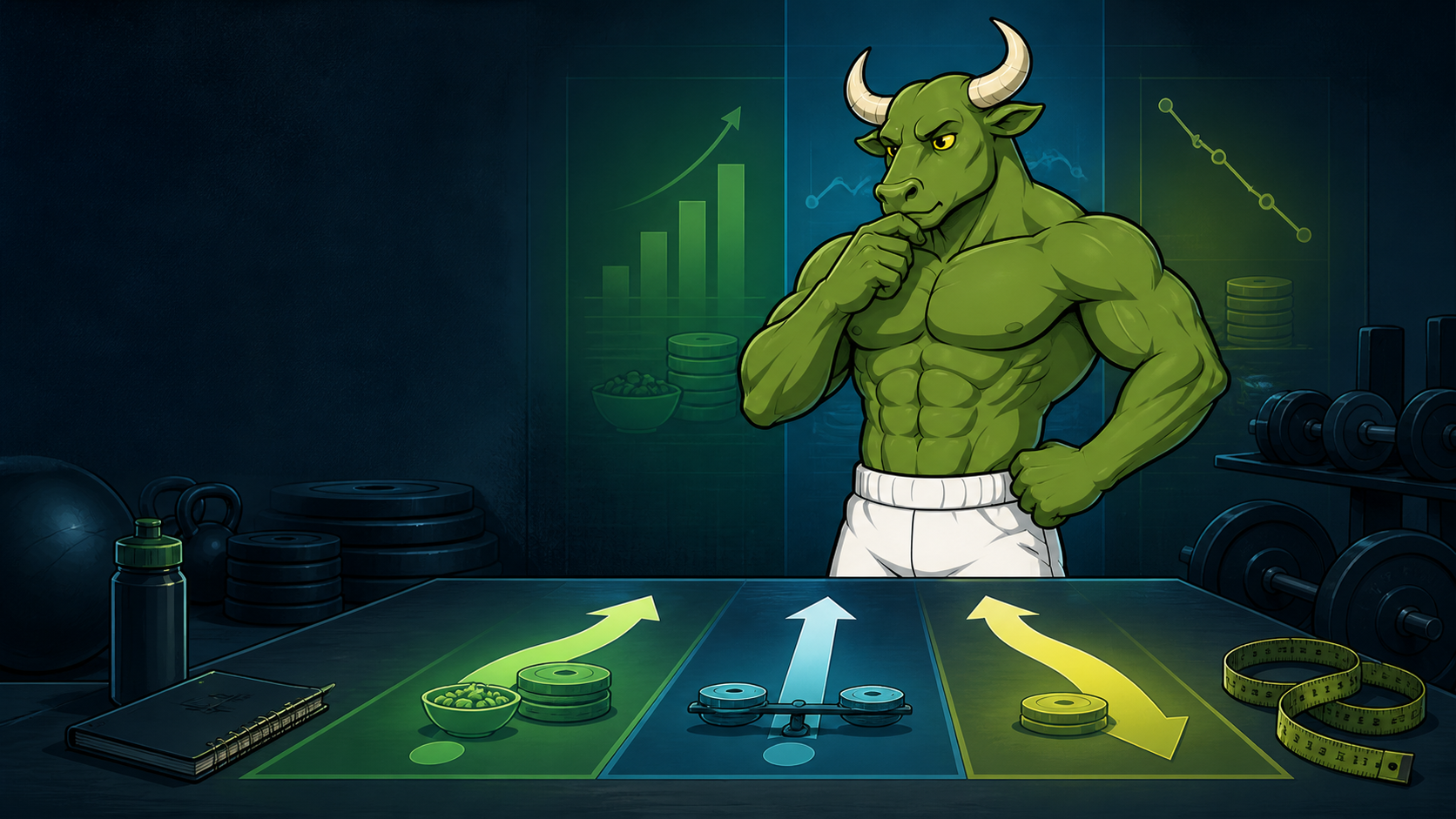
Bulk, Cut, or Recomp? A Practical Decision Guide
A practical way to choose a bulk, cut, recomp, or maintenance phase using your goal, training age, recovery, and repeatable progress signals.
Read article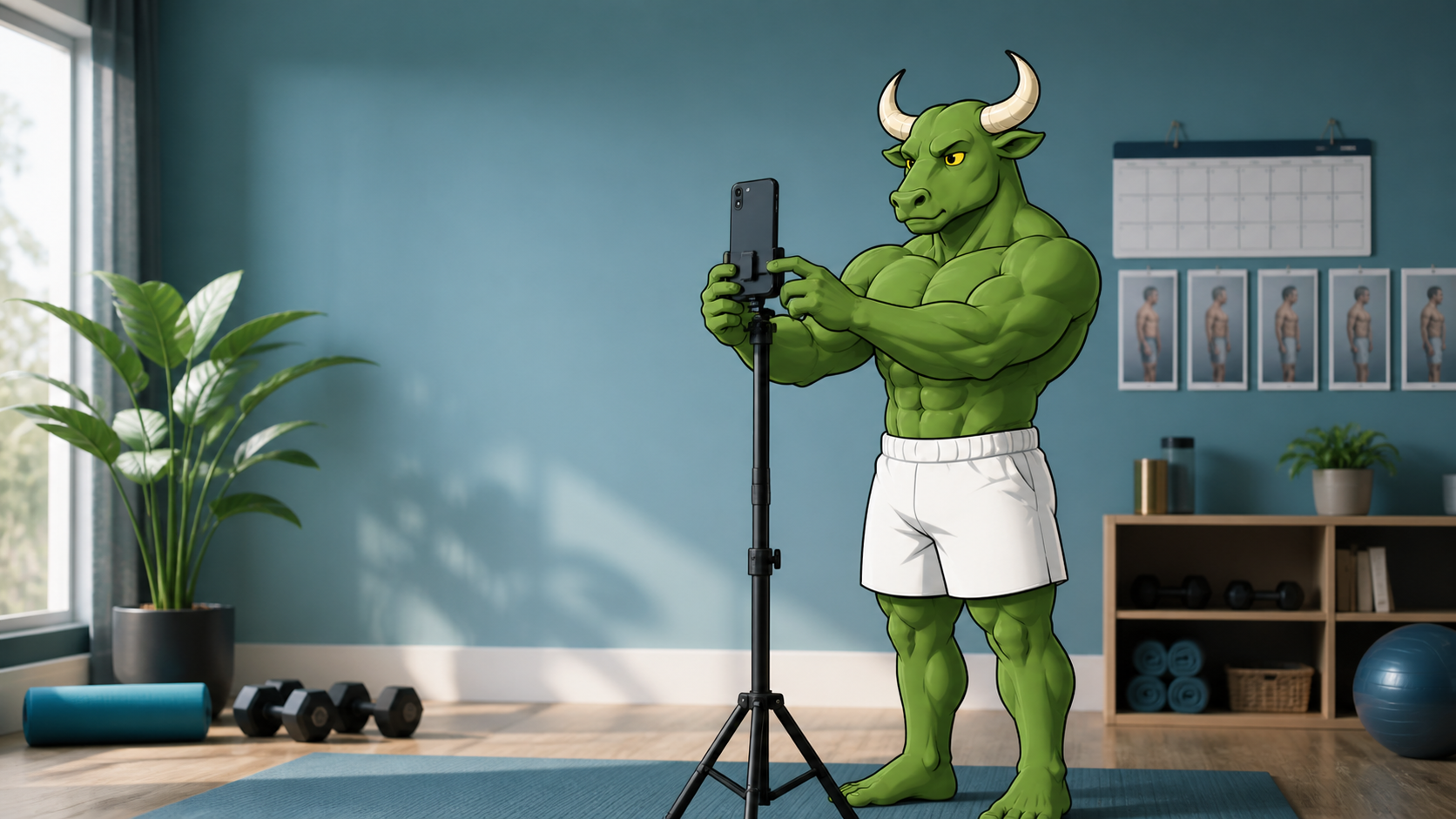
How Often Should You Take Progress Photos?
How often should you take progress photos? Use this goal-based guide to choose weekly, biweekly, or monthly check-ins and make every comparison more consistent.
Read article