

How to Use a Deload Week Without Losing Training Momentum
A deload week is not a week of giving up. Learn how to reduce training stress, keep the habit, and return to progression when your performance and well-being stabilize.
By Reset90 AI Editorial Team
Short answer: A deload week is a planned reduction in training stress, not a week of giving up. Keep the habit of moving, reduce the work that creates the most fatigue, and return to normal progression when your performance and well-being stabilize. You do not need a deload because an app showed one bad score; you need one when several signals point to accumulated fatigue.

01What a deload week actually is
A deload is a short training phase where you deliberately lower the stress of your workouts. That can mean fewer hard sets, less load, more repetitions in reserve, simpler exercise variations, or fewer demanding sessions. The goal is to create enough recovery space for the next training block without losing the routine that keeps you consistent.
That distinction matters. A deload is not the same as skipping every workout, and it is not a reward for being exhausted. It is a programming decision: temporarily reduce the cost of training so that useful work can become productive again.
There is no universal deload schedule that works for every lifter. A beginner with low training stress may need only occasional lighter sessions. Someone training frequently, pushing close to failure, sleeping poorly, or managing a demanding life schedule may need a reduction sooner. Your recent pattern matters more than a calendar rule.
02When you may need one
One difficult workout is normal. One low-energy morning is not enough evidence to rewrite your plan. A deload becomes more reasonable when several signs appear together and stay present long enough to affect the quality of your training.
- Your main lifts are regressing across multiple sessions, even though your technique and effort are consistent.
- Warm-ups feel unusually heavy, slow, or uncoordinated before the work sets begin.
- Soreness is not resolving before the next session that uses the same muscles or movement pattern.
- Sleep, mood, motivation, or general well-being are trending worse alongside your training performance.
- You are adding more effort to finish the same work, but the quality of the work keeps falling.
- Your schedule, travel, stress, or nutrition has increased the total load outside the gym.
Think in clusters, not isolated signals. A tired day can be solved with a smaller adjustment. A run of poor sessions plus declining sleep and persistent soreness is a stronger reason to reduce training stress.
03Choose the right kind of deload
There are three main levers: volume, intensity, and frequency. You do not have to reduce all three at once. Start with the lever that is creating the most fatigue while preserving as much useful practice as possible.
| If the problem looks like this | Try this first | Keep an eye on |
|---|---|---|
| Workouts are too long and accessory work keeps piling up | Cut optional sets and finishers; keep the main movement patterns | Session length and whether technique improves |
| Loads feel heavy and reps slow down early | Lower the load and stop farther from failure | Bar speed, form, and next-session soreness |
| The same muscle groups never feel ready | Reduce frequency or move hard sessions farther apart | Local soreness and the quality of the next warm-up |
| Your whole week is overloaded | Keep one or two short maintenance sessions and remove hard extras | Sleep, schedule pressure, and general energy |
For many lifters, reducing volume is the simplest first move. You can keep the movement pattern and some intensity while removing the extra work that creates fatigue. For others, especially after several hard weeks, reducing load and effort is more appropriate. The best deload is the smallest change that restores high-quality training.
04How to plan a deload week
Start with the sessions already on your calendar. Do not invent a completely new program during a week when your goal is to recover. Keep the same broad movement patterns, then reduce the most fatiguing parts.
- Keep the schedule visible. Decide which days you will still train so the deload does not become an unplanned break.
- Remove optional work first. Cut finishers, high-effort supersets, failure sets, and accessories that are not central to the current goal.
- Leave more reps in reserve. Use controlled sets that finish before grinding. The point is to practice the movement without creating another recovery bill.
- Shorten the session. A session that ends while your technique is still clean is often more useful than a normal-length session completed through fatigue.
- Keep notes. Record sleep, soreness, the first working set, and whether the session felt easier by the end of the week.
The target is not a specific percentage that must work for everyone. A practical starting point is to remove roughly one-third to one-half of the hard work, then adjust based on how you respond. If a lighter session still feels unusually difficult, reduce again rather than forcing the original plan.
05Use readiness data as context, not a command
Readiness signals can help you notice a pattern, but they cannot diagnose recovery or tell you exactly how many sets to perform. A low score after poor sleep is useful context. It is not a medical result. A normal score does not override sharp pain, illness, dizziness, or another warning sign.
Before a hard session, compare three things: the recent trend, your real-world context, and your warm-up. If all three look normal, follow the plan. If the score is low but your warm-up is strong, keep the session conservative rather than chasing a personal record. If the score is normal but you feel ill or injured, stop and use appropriate health guidance.
Reset90’s recovery-score guide explains how to treat readiness as one input among sleep, soreness, training history, and performance. The same principle applies to a deload: use the signal to ask a better question, not to outsource the decision.
06How to turn a deload into a better week
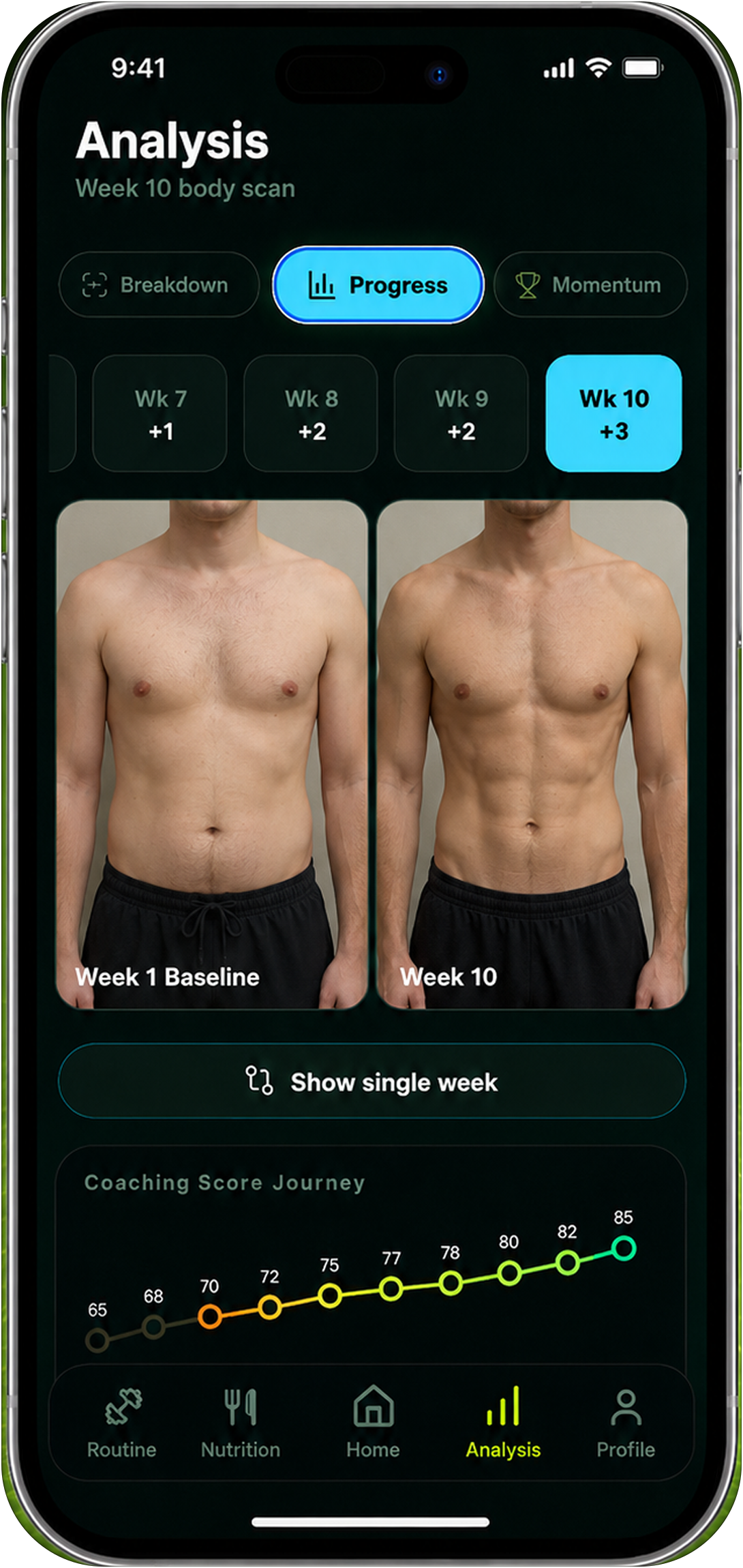
During a deload, the win is not how hard you can train. The win is learning what your next block needs. Use the lower-stress week to review your recent log while the details are still fresh.
Look for the point where quality started to fall. Did the problem begin after adding sets, increasing frequency, changing exercises, or losing sleep? Did nutrition become inconsistent? Did a new schedule make the original plan unrealistic? A deload cannot solve every cause, but it can give you enough room to see the cause more clearly.
- Training review: Compare the last two or three exposures to your main movements.
- Recovery review: Look at sleep, rest days, soreness, stress, and schedule changes.
- Nutrition review: Check whether meals and protein became less consistent while training demand rose.
- Plan review: Decide what to keep, what to reduce, and what should not return in the next block.
If the same problem has been caused by an overfull plan, the answer after the deload is usually not to return to the exact same workload and hope for a different result. Keep the habit, but make the plan easier to execute.
07How to return after the deload
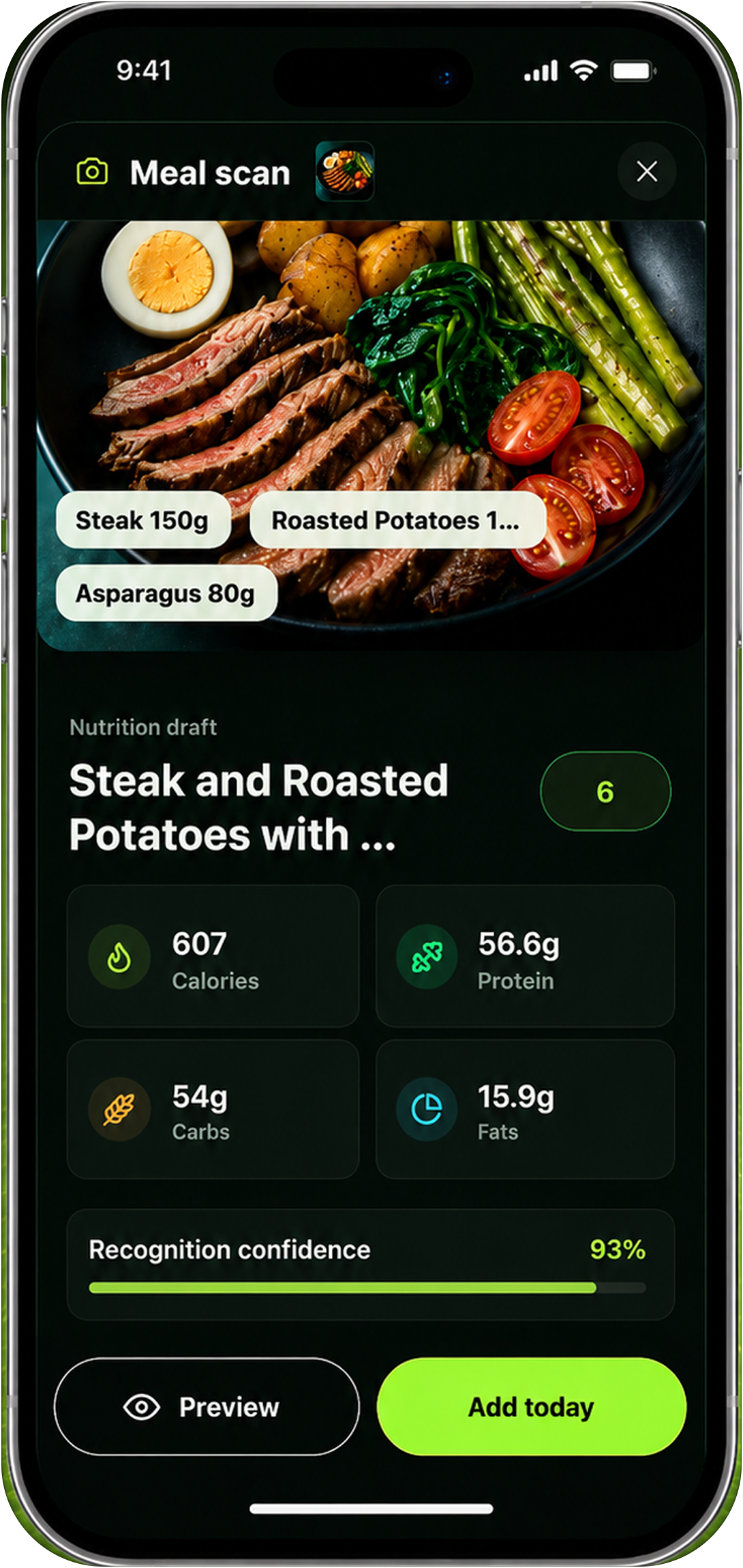
Do not treat the first session after a deload as a test of everything you lost. Treat it as the first step of the next block. Start with the revised plan and leave enough room to observe how you respond.
- Return to the main movements before adding optional volume.
- Use a load and effort level that lets you complete clean, repeatable sets.
- Wait for at least a few sessions before deciding that the deload “worked” or “failed.”
- Add only one training stressor at a time: load, sets, frequency, or harder variations.
- Keep the lighter option available for the next time your schedule or recovery changes.
A good return should feel controlled, not dramatic. You may notice that the same loads move more smoothly, that soreness resolves faster, or that you can complete the planned work without needing to improvise. Those are useful outcomes even if no single session produces a new record.
08What to track during the week
A deload works best when it is observable. You do not need a complex dashboard. Track enough information to compare the week before, the deload, and the first week back.
| Signal | Simple question |
|---|---|
| Performance | Did the same warm-up and working sets feel more controlled? |
| Effort | Did you finish with more room before failure? |
| Soreness | Did soreness resolve before the next relevant session? |
| Sleep and stress | Did your schedule become more manageable, or is the outside load still high? |
| Adherence | Did the smaller plan make it easier to show up consistently? |
Use a weekly view instead of judging the whole decision from one morning. A single score or workout can be noisy. A repeated pattern gives you something you can actually use to adjust the next block.
09When a deload is not the answer
Not every bad session is accumulated fatigue. A sudden drop in performance can come from illness, injury, a major nutrition change, a new exercise technique, or a schedule problem that needs a different solution.
Do not use a deload to train through sharp pain, fever, faintness, chest pain, severe shortness of breath, or symptoms that concern you. Stop and seek appropriate medical guidance. A fitness plan can help you organize training, but it cannot diagnose a health problem.
If the same performance decline continues after a reasonable reduction in training stress, review the program and your recovery context with a qualified coach or health professional. Reset90’s health and safety guidance explains where fitness planning ends and medical advice begins.
10Frequently asked questions
How often should I take a deload week?
There is no universal schedule. Some lifters use a planned lighter week after several hard weeks; others deload when a cluster of performance, soreness, sleep, and well-being signals says their current workload is no longer being absorbed. Use your log and training context instead of copying a fixed calendar rule.
Should I stop training completely during a deload?
Usually not, unless illness, injury, or professional guidance says otherwise. Keep the habit with lighter, shorter, or easier sessions so you maintain movement practice without repeating the fatigue that caused the deload.
Is a deload the same as a rest day?
No. A rest day removes a session. A deload is a short phase that reduces total training stress across the week. It may include rest days, but it also changes the sessions you do complete.
Should I lower weight or sets first?
Start with the lever that is creating the most fatigue. If sessions are too long, remove optional sets. If every working set feels heavy, lower the load and leave more reps in reserve. If you never feel ready for the next session, reduce frequency or increase the space between hard sessions.
Can an app tell me when I need a deload?
An app can organize your training history and surface patterns, but it cannot make a medical diagnosis or replace judgment. Use app data alongside performance, sleep, soreness, schedule, and how the warm-up feels.
11The practical answer
A deload week is a way to protect the next block of progress. Keep the routine, reduce the most expensive work, track how you respond, and return gradually. The best deload is not the week that proves you can do nothing; it is the week that helps you train well again.
For a broader system that connects training, nutrition, and recovery into a longer plan, see Reset90’s training, nutrition, and recovery guide. Then use the next 90 days to make the plan repeatable, not merely intense.
The Reset90 system
Useful ideas for building a body you can keep.
Training notes, product updates, and practical ways to make your next 90 days count.
Start your next 90 days
Get your daily training, nutrition, and check-in priorities in one adaptive system.


Keep reading
Related articles

Ideal Body Measurements for Women
There is no single ideal body measurement set for women. Learn how averages, waist-to-height, body shape and repeatable tracking fit together without chasing a fixed beauty standard.
Read article
Bulk, Cut, or Recomp? A Practical Decision Guide
A practical way to choose a bulk, cut, recomp, or maintenance phase using your goal, training age, recovery, and repeatable progress signals.
Read article
How Often Should You Take Progress Photos?
How often should you take progress photos? Use this goal-based guide to choose weekly, biweekly, or monthly check-ins and make every comparison more consistent.
Read article