
Tape Measure vs. Smart Scale: Which Should You Trust?
A tape measure and a smart scale measure different things. Learn which signal to trust for fat loss, recomposition, and weight trends, plus a repeatable tracking protocol.
By Reset90 AI Editorial Team
Short answer: Trust the tape measure for the circumference you actually measured, and trust the smart scale most for body weight. A smart scale’s body-fat percentage is a model-based estimate that can move with hydration, food, exercise, and timing. A tape measure is simpler and often easier to repeat, but it only describes the body site you measure. For fat loss or recomposition, use a consistent waist measurement, a weight trend, and monthly progress photos together.

A smart scale can show a new body-fat percentage every time you step on it. A tape measure can show a different waist measurement depending on where you place it or how tightly you pull. Neither result deserves automatic trust just because it appears as a number.
The useful comparison is more specific: what does each tool measure directly, what does it estimate, what makes the reading noisy, and which signal matches your goal? Once you separate those questions, the choice becomes much easier.
01What does a tape measure measure?
A tape measure records circumference. Wrap it around your waist, chest, arm, hip, or thigh and you are measuring the distance around that location. There is no body-composition equation between the tape and the number you read.
That directness is the tape’s strength. If your waist circumference is smaller under the same protocol, something about the size of that section changed. It may reflect less subcutaneous fat, less food volume, a different level of bloating, a change in posture, or some combination. The tape does not identify the cause on its own, but it does not pretend to measure a whole-body fat percentage either.
Waist circumference can be a useful health and progress signal, but measurement protocols differ. Some standards use the upper border of the iliac crest; others use a midpoint between landmarks. Choose one clear method, record it, and use the same landmark every time. A measurement taken at the navel is not automatically interchangeable with one taken at the iliac crest.
02What does a smart scale measure?
A smart scale directly measures your body weight and the electrical resistance detected by its electrodes. Its body-fat, muscle, water, and bone readings are estimates generated by bioelectrical impedance analysis, or BIA, plus the device’s equations and the profile information you enter.
BIA works partly through assumptions about body water and the relationship between electrical impedance and lean tissue. That is why two people with the same scale weight can receive different estimates, and why the same person can receive different estimates when hydration or measurement conditions change.
| Reading | How directly it is measured | What can move it |
|---|---|---|
| Body weight | Directly measured by the scale | Food, fluid, digestion, glycogen, sodium, clothing, and time of day. |
| Body-fat percentage | Estimated from impedance and an equation | Hydration, skin temperature, recent exercise, meals, foot contact, profile data, and the device model. |
| Muscle or lean mass | Estimated, not isolated directly | The same water and equation assumptions, plus changes in glycogen and fluid distribution. |
| Water percentage | Estimated from the impedance model | Fluid intake, sweat, sodium, illness, training, and normal daily variation. |
This does not make a smart scale useless. Automated weigh-ins can create a valuable long-term weight trend, especially if you would not keep a manual log. It does mean you should not treat every composition field on the screen as equally precise. Our guide to smart-scale accuracy covers the same distinction in more detail.
03Tape measure vs. smart scale: the practical comparison
The tape and the scale fail in different ways. A tape is direct but local and technique-sensitive. A smart scale is convenient and good at automating weight, while its body-composition output depends on a model and the conditions of the measurement.
| Question | Tape measure | Smart scale |
|---|---|---|
| What is measured directly? | Circumference at a chosen body site. | Body weight; impedance is also sensed, while composition is modeled. |
| Best strength | Low cost, simple equipment, and a direct size signal. | Fast, automatic logging and a useful weight trend. |
| Main source of noise | Landmark, tape angle, tension, posture, breathing, and time of day. | Hydration, meals, training, skin contact, temperature, and the prediction equation. |
| What it misses | Whole-body composition and changes outside the sites you measure. | Direct knowledge of fat mass, muscle mass, or fat distribution. |
| Most useful output | A repeatable circumference trend. | A repeatable body-weight trend; composition fields are supporting estimates. |
There is no contradiction in saying that the tape is more useful for one question while the scale is more useful for another. “How is my waist changing?” and “What is my total body weight doing?” are different questions. Use the instrument that is closest to the thing you want to know.
04Which tool should you trust for fat loss?
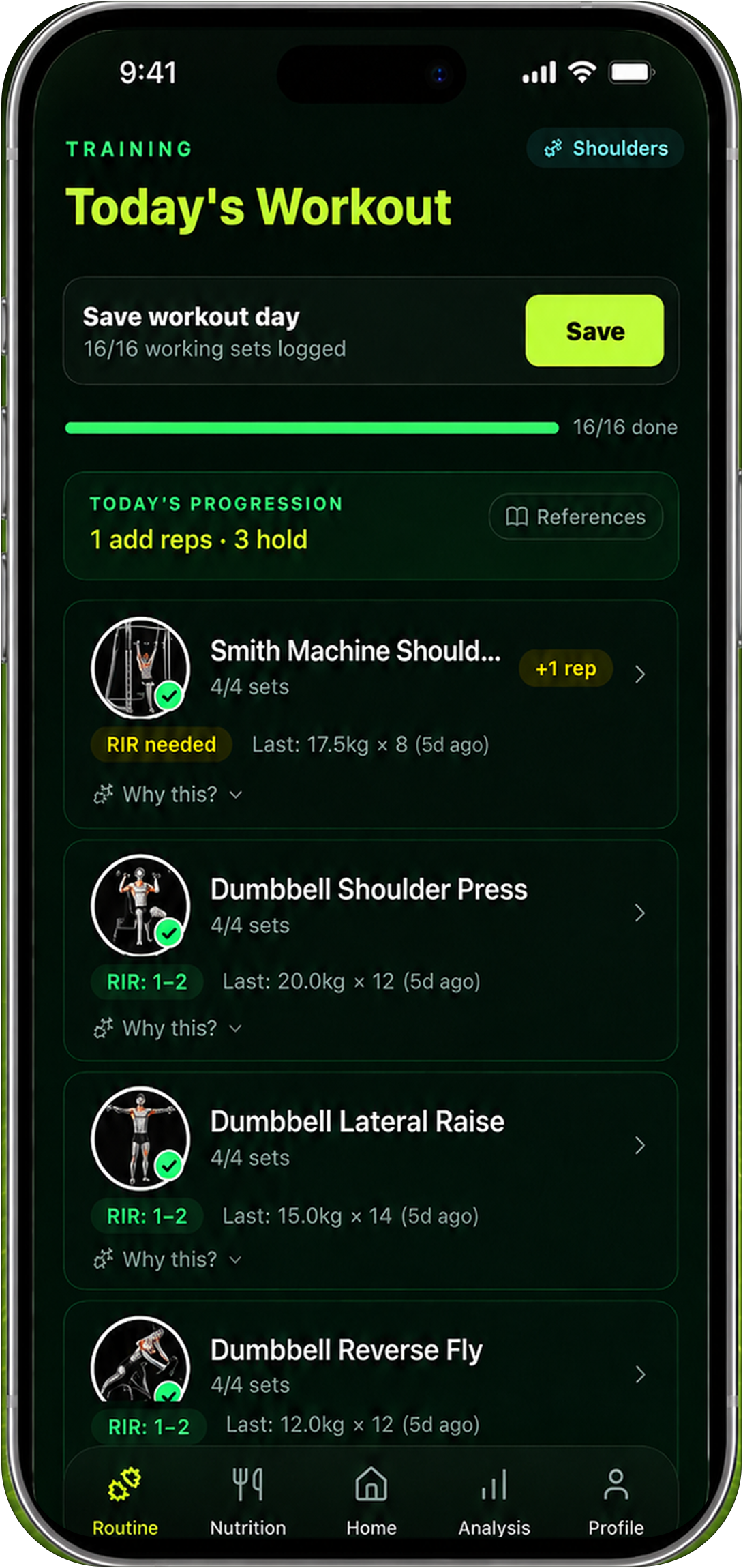
For a fat-loss phase, a consistent waist measurement and a smoothed body-weight trend complement each other. The tape can show a change in the area many people care about, while the scale shows how total mass is moving. Neither should be interpreted from one isolated reading.
Waist circumference is not a pure fat meter. A large meal, constipation, bloating, posture, or measurement error can change the result. But the same limitations apply in a different form to a smart scale’s body-fat percentage, which can respond to fluid and impedance changes without a meaningful change in fat mass.
A simple weekly routine is usually enough:
- Measure the same waist landmark once per week under similar conditions.
- Keep regular scale weigh-ins if you can do so without becoming preoccupied with daily noise.
- Use a seven-day average or another consistent summary for body weight.
- Review the direction over three to four weeks instead of reacting to one tape or scale result.
If the scale weight is flat for a few days but your waist trend is gradually lower, water and digestion may be hiding the change on the scale. If the waist suddenly drops after a large short-term weight change, do not assume all of that change was fat. A trend is more informative than a dramatic single reading.
05Which tool should you trust for body recomposition?
Recomposition is where a single number is especially easy to misread. If you gain muscle while losing fat, body weight may change slowly or not at all. A waist measurement can move, but it still cannot tell you how much muscle changed. A smart scale’s modeled muscle and body-fat fields may move in opposite directions because of fluid and equation noise rather than actual tissue change.
For recomposition, add progress photos and training performance to the tape and scale:
- Photos: Use the same camera, pose, lighting, and distance each month.
- Circumferences: Measure the waist plus one or two sites that match your goal, such as chest, arm, hip, or thigh.
- Training: Track whether strength, reps, technique, or work capacity are holding steady or improving.
- Weight: Use the trend for context, not as a verdict about muscle or fat.
Our guide to progress photos versus the scale explains why visual change and scale change do not always move on the same schedule. If the numbers disagree, check the conditions before changing the plan.
06How to take a repeatable tape measurement
Technique matters more than buying an expensive tape. Use a flexible tape, stand naturally, keep it level around the body, and pull it snug without compressing the skin. Measure after a normal breath rather than sucking in or pushing the abdomen out.
The exact landmark should match the protocol you choose. A common clinical approach identifies the upper border of the iliac crest; other fitness routines use the navel or a midpoint. None of those locations should be casually swapped from week to week. Write the landmark in your notes so that your future self can repeat it.
- Measure at a similar time, preferably before a large meal or workout.
- Stand with your feet in a consistent position and your abdomen relaxed.
- Keep the tape horizontal and check that it is not twisted at the back.
- Take two readings and repeat if they differ more than your normal small variation.
- Record the value and the protocol rather than relying on memory.
Research on waist-circumference measurement shows why repeated, standardized technique matters: the error can be large enough to obscure a small short-term change. That is not a reason to abandon the tape. It is a reason to avoid overinterpreting tiny differences. See how to take body measurements for a broader measurement routine.
07How to make a smart-scale reading more useful
You cannot remove all uncertainty from BIA, but you can reduce avoidable variation. Use the same device on a firm, level floor, with clean and consistent foot contact. Measure at a similar time and under similar conditions, rather than comparing a fasted morning reading with a post-workout evening reading.
Do not try to “game” the body-fat number by dehydrating yourself or changing your routine. That may create a prettier reading while making the measurement less representative. The aim is repeatability, not the lowest output.
For smart-scale data, pay attention to:
- the multi-week weight trend;
- whether the body-fat estimate drifts in a plausible direction over a longer period;
- whether the reading changes sharply after a different routine;
- whether the device, profile, and measurement conditions stayed the same.
If a smart scale reports a large body-fat change overnight, treat that as a prompt to check hydration, meals, exercise, and timing before treating it as new fat or muscle. A model output can be useful without being exact.
08When neither tool is enough
A tape and a smart scale are both practical field tools. Neither directly measures the complete amount and distribution of fat in your body. If you need a more detailed body-composition assessment for a clinical, sports-science, or medical reason, discuss the appropriate method with a qualified professional.
DEXA is often used as a reference method for body composition, but it also has cost, access, operator, positioning, and method limitations. A DEXA result is not a reason to expect a home tool to match exactly; it is a different type of assessment. Our article on AI body-fat estimator accuracy versus DEXA explains why agreement across a group and exact individual accuracy are not the same claim.
Do not use a tape or a smart-scale estimate to diagnose a health condition, make a medication decision, or judge whether you are “healthy” from one number. If you have unexplained weight change, swelling, symptoms, pregnancy, or a history of disordered eating, seek guidance from a qualified healthcare professional.
09How Reset90 fits into the tracking system
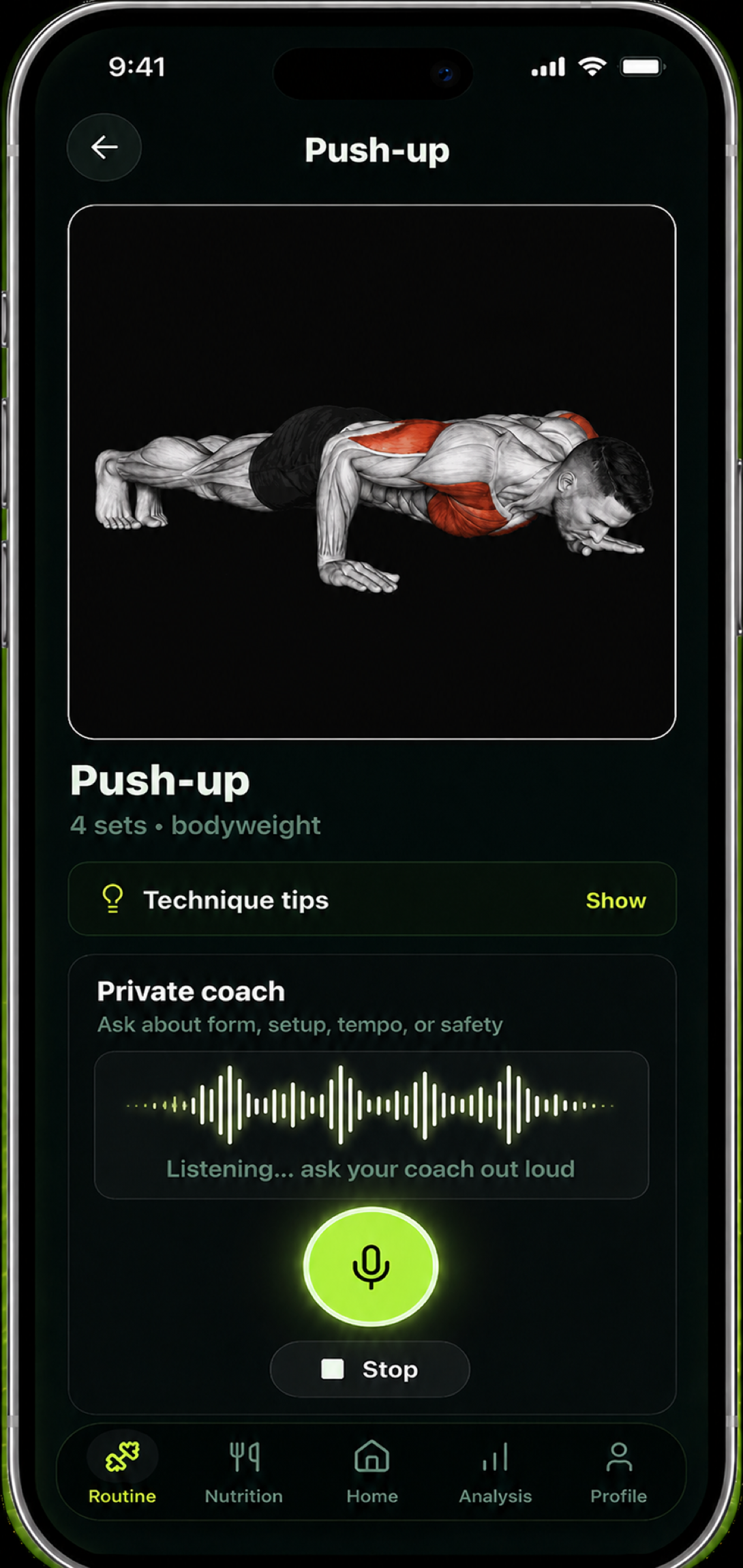
Reset90 is useful for keeping the surrounding signals in one routine: workouts, nutrition targets, check-ins, weight, measurements, and progress photos. That context helps you interpret a tape or scale result without letting either device become the entire story.
Log a consistent measurement, review the trend over several weeks, and compare it with training performance and nutrition adherence. If you want visual context, the body-fat visualizer can help you understand broad appearance ranges, while the body-fat estimator can provide a convenient photo-based reference. Both should be treated as estimates and educational tools, not clinical instruments.
The goal is a decision you can repeat: keep the plan when the broader pattern is moving in the right direction, investigate when signals conflict, and change one variable at a time. A tracking system is valuable when it makes the trend clearer than a single measurement ever could.
10Frequently asked questions
Is a tape measure more accurate than a smart scale?
For the thing each tool directly measures, the answer is straightforward: the tape directly measures circumference, while the scale directly measures body weight. A smart scale’s body-fat percentage is modeled, and a tape measurement is technique-sensitive and limited to one body site. Neither is a direct whole-body fat measurement.
Why does my smart-scale body fat change every day?
The body-fat field comes from BIA and an equation. Hydration, food, exercise, skin contact, temperature, time of day, and profile information can change the inputs. Look for a longer-term pattern under similar conditions instead of treating a daily change as new fat or muscle.
Where should I measure my waist?
Use one documented protocol and keep it consistent. Different health and fitness protocols specify different landmarks, including the iliac crest, a midpoint, or the navel. The most important tracking rule is not to change landmarks between measurements.
Can waist circumference replace body-fat percentage?
No. Waist circumference describes size at one location; it does not tell you total fat mass, lean mass, or where fat is stored internally. It can be a useful progress and health signal when measured consistently, but it is not interchangeable with a body-fat percentage.
Do I need both a tape measure and a smart scale?
They can work well together because they provide different signals, but you do not need both to start tracking. If you already own a smart scale, use it mainly for a weight trend and add a consistent tape measurement. If you own neither, choose the tool you are most likely to use consistently and add another signal later if it answers a question the first one cannot.
11The bottom line
Trust the tape for the circumference it actually measures. Trust the smart scale most for body weight. Treat the smart scale’s body-fat percentage, muscle, water, and bone fields as model-based estimates whose usefulness depends on consistent conditions.
For fat loss, follow a waist trend and a smoothed weight trend. For recomposition, add progress photos and training performance. Keep the method stable, wait long enough to see a pattern, and use a professional assessment when the question is medical or requires detailed body composition. The best measurement is not the one with the most decimals; it is the one you can interpret honestly over time.
The Reset90 system
Useful ideas for building a body you can keep.
Training notes, product updates, and practical ways to make your next 90 days count.
Start your next 90 days
Get your daily training, nutrition, and check-in priorities in one adaptive system.


Keep reading
Related articles

Ideal Body Measurements for Women
There is no single ideal body measurement set for women. Learn how averages, waist-to-height, body shape and repeatable tracking fit together without chasing a fixed beauty standard.
Read article
Bulk, Cut, or Recomp? A Practical Decision Guide
A practical way to choose a bulk, cut, recomp, or maintenance phase using your goal, training age, recovery, and repeatable progress signals.
Read article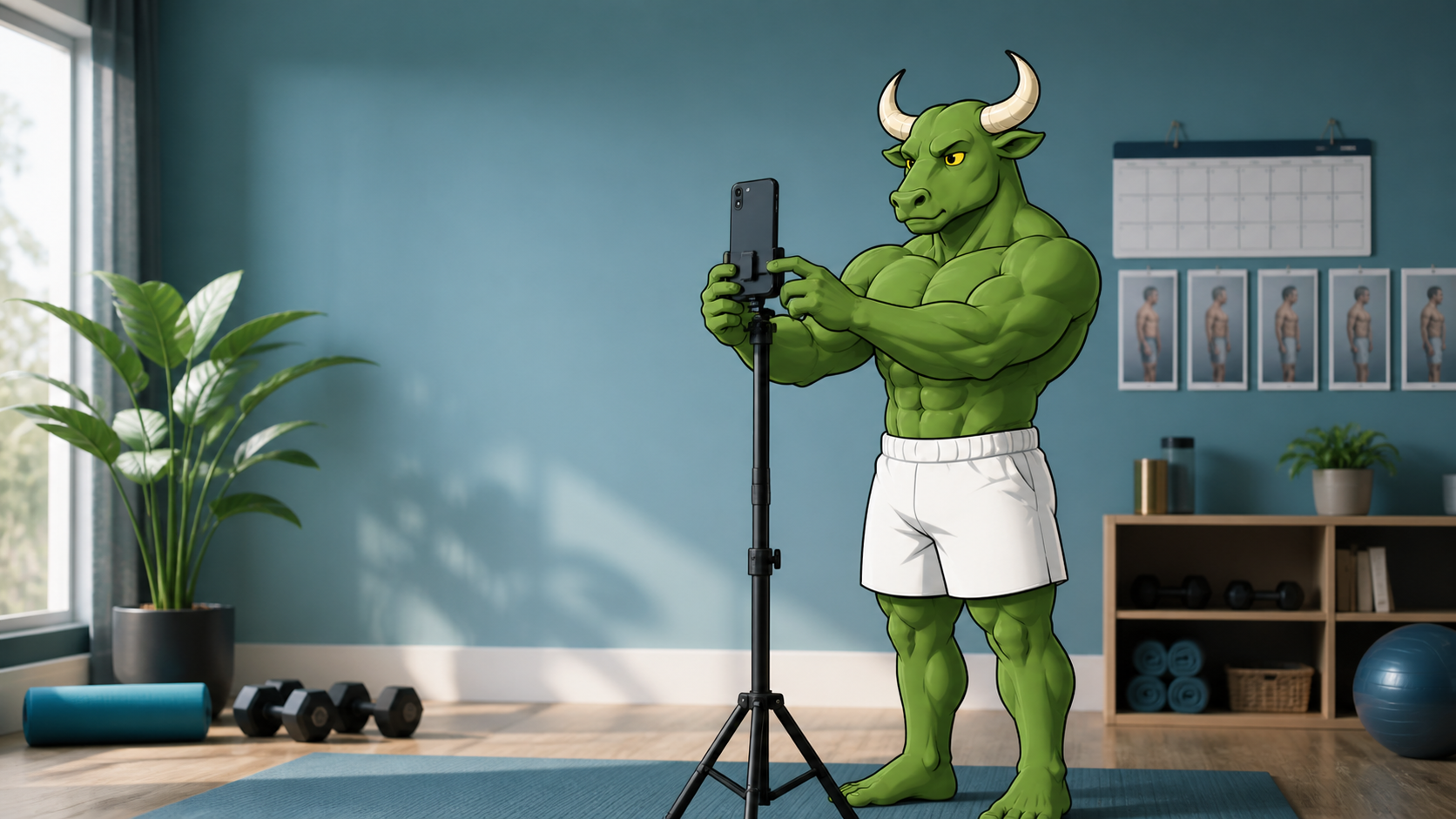
How Often Should You Take Progress Photos?
How often should you take progress photos? Use this goal-based guide to choose weekly, biweekly, or monthly check-ins and make every comparison more consistent.
Read article