

Losing Inches but Not Weight? What It Usually Means
Losing inches while your scale stays flat can be a sign of body recomposition—but it can also reflect water, measurement noise, or a true plateau. Learn how to read the pattern, audit your measurements, and decide what to do next.
By Reset90 AI Editorial Team
Short answer: Yes—it is possible to lose inches while your scale stays flat. Body recomposition, water and glycogen shifts, digestion, measurement noise, and a true plateau can all create that pattern. Compare your weight average, waist measurement, photos, strength, and plan consistency over about 28 days before changing calories.

01Quick pattern check: what should you do next?
Start with the pattern that best matches several weeks of evidence, not one encouraging measurement or one stubborn weigh-in.
| What you see | Likely interpretation | Check next | Reasonable action |
|---|---|---|---|
| Waist down, photos improving, strength stable or up | Favorable body-composition change is plausible | Comparable training logs and weekly weight average | Keep the plan steady and review again |
| Waist down, scale noisy day to day | Water, glycogen, sodium, soreness, or digestion may be masking the trend | Same weigh-in conditions and a multi-day average | Standardize the check-in before changing food |
| One measurement changed quickly | Tape placement, posture, breathing, or food volume may be driving the difference | Repeat the same landmark and method | Collect another comparable reading |
| Weight, waist, photos, and strength all flat for 28 days | Plateau, inconsistent adherence, or unclear measurement setup | Audit the actual week and recovery | Change one variable and reassess |
02What losing inches but not weight usually means
If your waist is smaller, your clothes fit differently, or comparable photos look leaner while the scale is barely moving, the most common explanation is that different parts of your body are changing in opposite directions. You may be losing some fat while maintaining or gaining lean tissue, with water and food volume filling in the gap on the scale.
That is the practical idea behind body recomposition: improving the relationship between fat mass and lean mass without making scale weight the only measure of success. Resistance training during dietary weight loss can help preserve fat-free mass and support fat-mass loss, although the exact response varies by person. A multi-signal review is useful evidence; it does not prove that every smaller waist with a stable scale is muscle gain.
The scale measures total mass at one moment. A tape measure records circumference at one location. A photo shows visible shape under particular lighting and posture. These tools answer different questions, so they can disagree without one of them being broken.
Start with a calm interpretation: inches down and weight stable is encouraging evidence, not a diagnosis. Your next step is to identify which pattern best matches the rest of your data.
03The four common explanations
| Pattern | What may be happening | What to check next |
|---|---|---|
| Waist down, strength stable or up | Possible fat loss with lean-mass maintenance or gain | Comparable training logs, photos, nutrition consistency, and a longer trend |
| Waist down, scale noisy day to day | Water, glycogen, sodium, digestion, soreness, or timing may be masking the trend | Seven-day weight averages and consistent weigh-in conditions |
| One measurement changed quickly | Tape placement, posture, breathing, food volume, or bloating may be driving the difference | Repeat the same landmark and method before changing the plan |
| All signals flat for four weeks | There may be insufficient change in energy balance, training stimulus, adherence, or recovery | Audit the actual week, then change one variable and reassess |
1. Fat loss and muscle gain can offset each other
Muscle and fat do not occupy the same amount of space for a given mass. If fat mass trends down while lean tissue is maintained or increases, your outline can become smaller even though total weight changes very little. This is more plausible when you are new to resistance training, returning after time away, improving protein and training consistency, or starting with more fat to lose.
Use careful language here. A smaller waist does not tell you exactly how much muscle you gained, and stronger lifts can also come from practice or improved technique. The useful claim is narrower: when waist, photos, and repeatable performance move in a favorable direction together, body recomposition becomes a reasonable working explanation.
2. Water can hide a real change for days or weeks
Water is a fast-moving part of body weight. Changes in sodium, carbohydrate intake, hydration, sleep, stress, hard training, inflammation from recovery, travel, and menstrual-cycle timing can all change the number you see. Food and waste still moving through digestion add another layer of short-term variation.
This is why a flat scale does not automatically mean fat loss stopped. It may mean the signal is temporarily buried. New or harder training can also make this confusing: the routine may be improving your shape and performance while recovery-related fluid shifts make the scale look stubborn.
Do not try to solve a noisy scale by cutting food more aggressively after one or two readings. Use the same scale, similar morning conditions, and a multi-day average. If a rapid or unexplained change persists or comes with symptoms such as unusual swelling, shortness of breath, severe fatigue, or feeling unwell, treat it as a health question and seek qualified guidance.
3. Measurement noise can make inches look better than they are
A tape measure is useful because it is inexpensive and repeatable, not because it is perfect. Moving the tape a little, pulling it tighter, bracing your abdomen, changing your posture, measuring after a meal, or breathing differently can create a visible change in the number.
For a useful waist trend, choose one landmark and keep it. Measure relaxed, keep the tape level, use snug tension without compressing the skin, and record under similar conditions. If the result is surprising, take a second careful reading rather than selecting the smaller number because it feels encouraging. Our body-measurement protocol covers the full landmark and logging routine.
Also remember that a smaller waist is not the only reason clothing can fit differently. Bloating, posture, garment stretch, and where a waistband sits can change the experience. Treat one measurement or one pair of jeans as a clue, not proof.
4. It may be a true plateau—but verify the window first
A plateau becomes more plausible when your average weight, waist, photos, strength, and adherence are all flat over a consistent review period. It is less plausible when your waist is steadily shrinking and only the scale is refusing to cooperate.
Before changing calories, check the plan you actually followed. Portions may have drifted, weekend intake may differ from weekday intake, workouts may have changed, or recovery may be limiting performance. A plan that is perfect on paper but inconsistent in practice is difficult to interpret.
Give yourself enough time to see a trend, then change one meaningful input. A small adjustment to calorie intake, protein consistency, training progression, or recovery is easier to evaluate than changing everything at once.
04How to tell which pattern fits
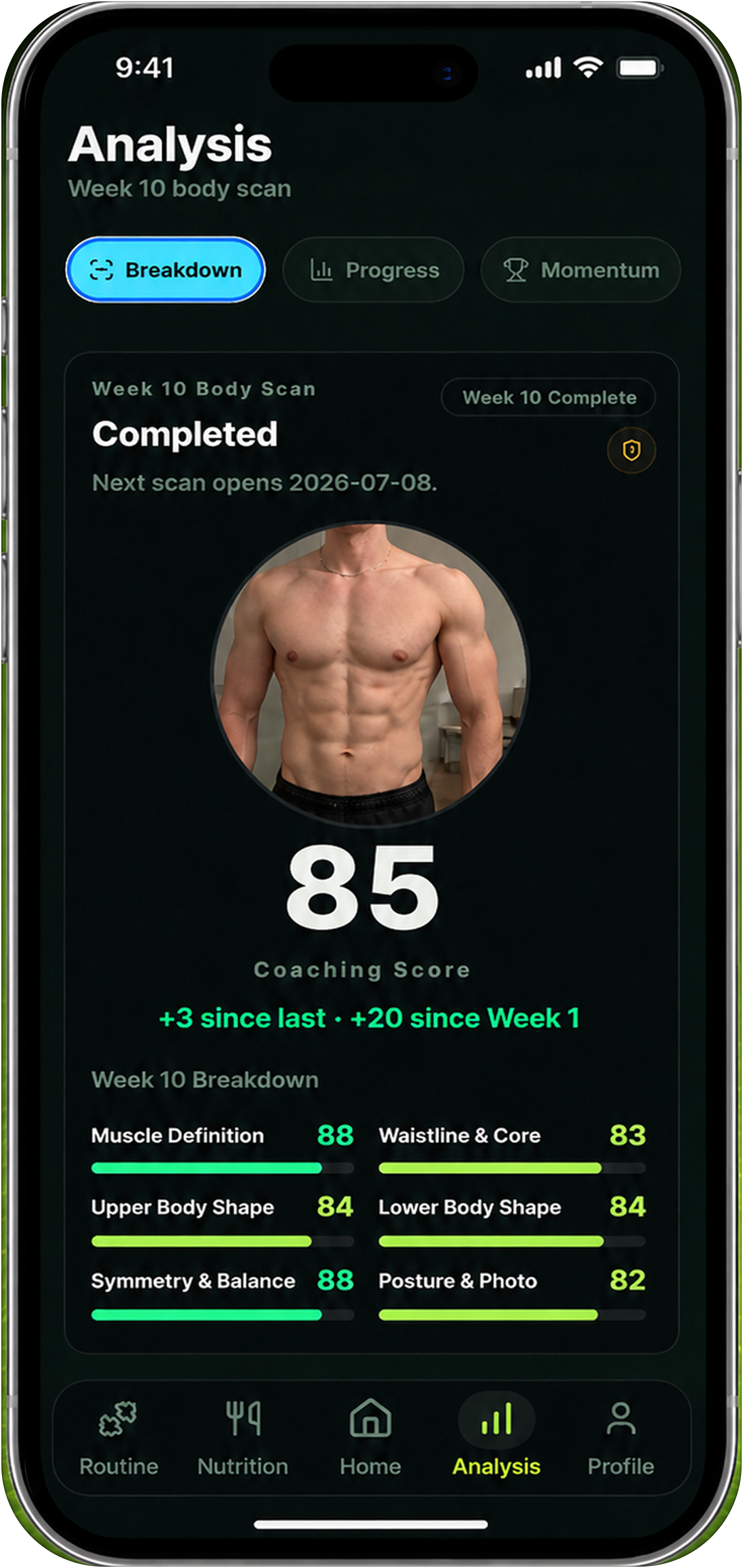
Do not ask one measurement to explain your whole body. Compare signals that change at different speeds and have different blind spots.
| What you see over several weeks | Most useful working interpretation | Reasonable next move |
|---|---|---|
| Waist down, photos improving, strength stable or improving, weight average flat | Favorable body-composition change is plausible | Keep the plan steady and collect another comparable review |
| Waist down, weight average flat, but large daily swings | Short-term water or digestion noise may be masking the trend | Standardize weigh-ins and read the weekly average |
| Waist down only once, photos inconsistent, strength unavailable | Not enough evidence yet; measurement noise is possible | Repeat the protocol before changing food or training |
| Weight average, waist, photos, and strength all flat for 28 days | Plateau, insufficient adherence, or an unclear measurement setup | Audit the inputs and change one variable |
| Weight falling quickly, strength dropping, energy poor | The plan may be too aggressive or recovery may be inadequate | Review nutrition, training, sleep, and professional guidance |
The table is a decision aid, not a body-composition test. The more signals that agree under repeatable conditions, the more confidence you can place in the direction. The exact amount of fat or muscle change still requires a more precise assessment than a home tape, scale, or photo can provide.
05Use a 28-day review instead of a daily verdict
Four weeks is a practical first window because it reduces the chance that a salty meal, hard workout, poor night of sleep, or unusual digestion day decides the whole story. It is not a magical deadline. If the data is inconsistent, improve the protocol and keep collecting.
- Set the baseline. Record a few comparable weigh-ins, your waist measurement, relaxed progress photos, two or three anchor-lift markers, and the nutrition plan you intend to follow.
- Use a weight average. If weighing is comfortable, collect three to seven readings under similar morning conditions and compare the weekly average. If daily weighing increases anxiety or body checking, use a less frequent routine and focus on the longer trend.
- Measure once, carefully. Check waist weekly or every two weeks with the same landmark, posture, tape tension, and timing. More frequent measuring usually creates more technique noise.
- Repeat the photo setup. Use the same camera distance, lighting, pose, clothing, and time relationship to meals or training. Our progress-photo timeline guide explains how to make comparisons more defensible.
- Log performance and recovery. Record comparable reps, load, effort, sleep, soreness, hunger, and adherence. Strength is context, not a direct muscle meter.
- Review on day 28. Decide whether the pattern says keep the plan, standardize the measurement, make one controlled adjustment, or ask for qualified help.
If the pattern is “waist down, shape improving, performance holding, weight average stable,” you do not need to force the scale to move just to prove that the plan is working. For a deeper four-signal tracker, see how to know if a body recomposition is working.
06How to audit a flat scale without overreacting
A flat scale is not a command to eat less. Start by asking what decision the scale is supposed to inform.
If your goal is fat loss, the weekly average helps show whether total mass is trending down, but waist and photos help show where the change may be coming from. If your goal is recomp, waist, photos, and repeatable strength often deserve more attention than a perfectly flat or slightly changing scale. If your goal is muscle gain, the average weight trend and performance help you judge whether the plan is supplying enough energy.
For a clean audit, write down:
- What changed in your average weight, not just your highest or lowest reading?
- Was the waist measured at the same landmark and under similar conditions?
- Are the photos genuinely comparable, or did lighting and pose change?
- Did your anchor lifts hold or improve at a similar effort?
- Did your actual food and training week match the plan?
- Were travel, illness, unusual stress, sleep loss, or a new training block present?
Then choose one response: keep the plan if the pattern is favorable, standardize if the evidence is noisy, adjust one input if every signal is flat, or seek guidance if the change is rapid, unexplained, distressing, or tied to symptoms. This keeps one number from triggering a chain of random changes.
07When losing inches is a good sign—and when to investigate
Losing inches is generally useful information when the change is gradual, repeatable, consistent with your goal, and accompanied by acceptable energy and training performance. It is especially reassuring when photos, clothing fit, and a stable measurement method point in the same direction.
It is not automatically positive in every context. Rapid unexplained changes, swelling, pain, severe fatigue, shortness of breath, pregnancy-related questions, medication changes, or a pattern connected to restrictive eating deserve more than a fitness tracker can provide. Speak with a qualified clinician when health context matters. If weighing or measuring becomes compulsive or distressing, reduce the frequency and seek appropriate support.
Home measurements can show a trend, but they cannot diagnose a condition or prove a precise change in body composition. That boundary is part of using the data well.
08How Reset90 helps you read the pattern
Reset90 AI is a fitness, nutrition, and progress-planning app for people who want a repeatable 90-day system instead of a single verdict from the scale. It helps keep workout progression, meal targets, weight entries, body measurements, progress photos, and check-ins in one record so you can connect the context to the change you are seeing.
The useful job here is organization and consistency: use the app to keep the same review rhythm, see whether the plan was followed, and connect training and nutrition context to the measurements you collect. It cannot tell you the exact amount of fat or muscle that changed, diagnose a medical issue, or guarantee a body-recomposition result.
If you want the app to support this decision path, use its check-ins and progress review as a 28-day checkpoint: keep the plan when the signals agree, standardize the protocol when the evidence is noisy, and make only one controlled adjustment when the full pattern is flat. For the broader question of which signal should lead in a cut or recomp, read progress photos versus the scale. For the daily-noise side of the problem, see why weight fluctuates.
09Frequently asked questions
Is losing inches better than losing weight?
Neither signal is universally better. Inches describe circumference and visible size; weight describes total mass. If your goal is body recomposition, a smaller waist with stable strength and improving photos may be more useful than a scale drop that comes with poor recovery. Read each metric for what it can actually measure.
Why am I losing waist size but not losing weight?
The most common possibilities are fat loss with lean-mass maintenance or gain, water and digestion masking the scale trend, or a measurement difference. Compare a repeatable waist protocol with a weekly weight average, photos, strength, and several weeks of context.
How long can the scale stay flat while I lose inches?
There is no universal number of days. A short flat period can reflect normal noise; a longer favorable pattern can be consistent with recomposition. Review the full set of signals over about 28 days, then continue if the evidence is still moving in the right direction.
Should I eat less if the scale does not move?
Not automatically. First check the weight average, waist, photos, strength, actual adherence, sleep, and training changes. If the waist and photos are improving, an aggressive calorie cut may be an unnecessary reaction. If every signal is flat after a consistent review, make one small adjustment and reassess.
Can you lose fat and gain muscle at the same time?
It is possible for some people, especially when resistance training, nutrition, and recovery improve together, but the rate and likelihood vary. Treat it as a pattern to evaluate with multiple signals, not a promise attached to a specific program.
What should I track if my scale is not moving?
Use a small set: a weekly weight average, a consistent waist measurement, comparable photos, a few repeatable strength markers, and a note about adherence and recovery. Review the set every four weeks instead of reacting to every daily number.
10The practical answer
Losing inches but not weight can mean your body is changing favorably, but it can also reflect water, food volume, measurement technique, or a plan that has reached a plateau. The scale is not wrong; it is simply reporting total mass while your tape and photos answer different questions.
Use a consistent measurement setup, compare weekly weight averages, log strength and recovery, and review the complete pattern over 28 days. If the evidence agrees, keep going. If it is noisy, standardize it. If everything is flat, change one variable. If the change is rapid or concerning, get qualified guidance.
The Reset90 system
Useful ideas for building a body you can keep.
Training notes, product updates, and practical ways to make your next 90 days count.
Start your next 90 days
Get your daily training, nutrition, and check-in priorities in one adaptive system.


Keep reading
Related articles

Ideal Body Measurements for Women
There is no single ideal body measurement set for women. Learn how averages, waist-to-height, body shape and repeatable tracking fit together without chasing a fixed beauty standard.
Read article
Bulk, Cut, or Recomp? A Practical Decision Guide
A practical way to choose a bulk, cut, recomp, or maintenance phase using your goal, training age, recovery, and repeatable progress signals.
Read article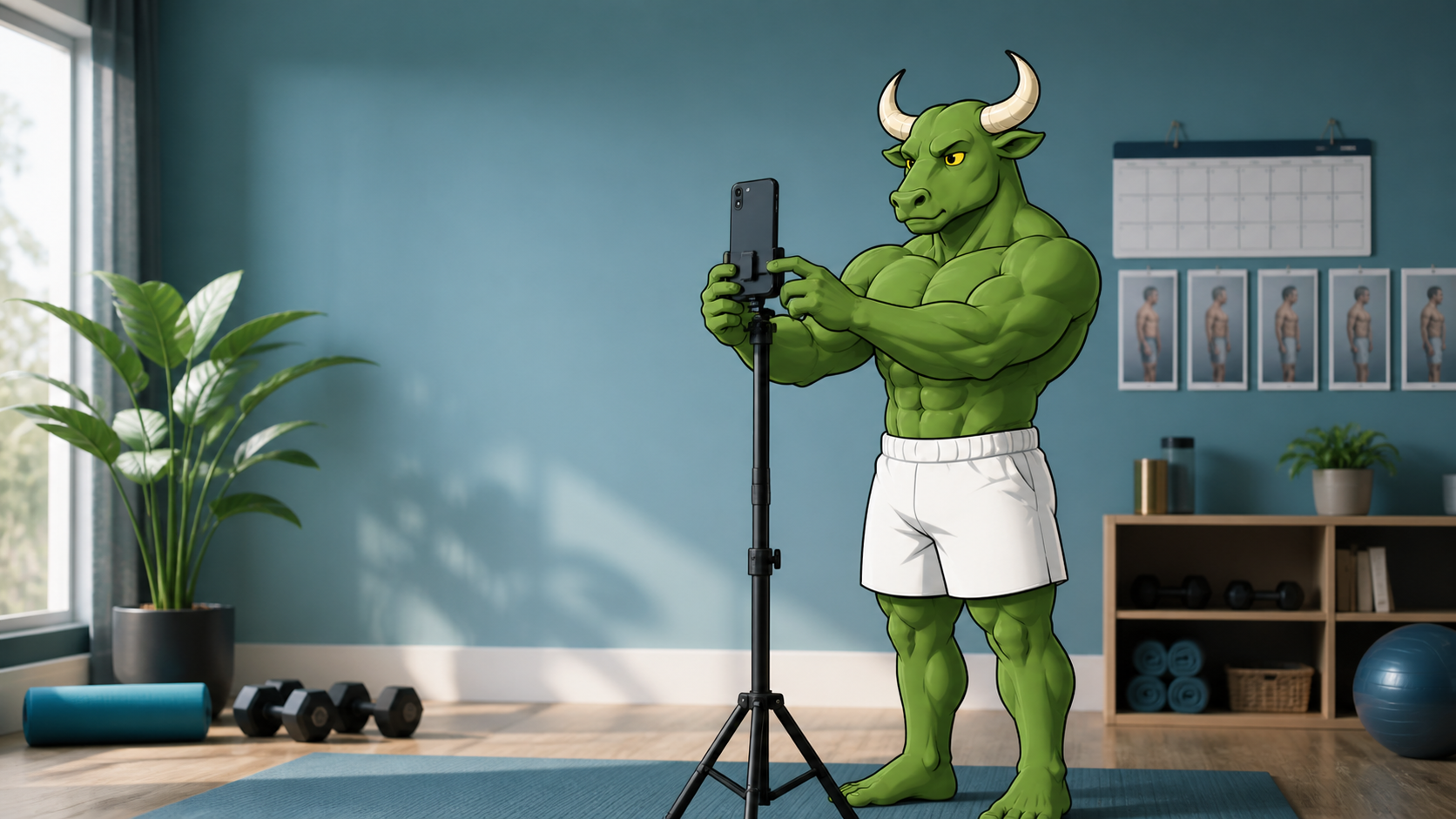
How Often Should You Take Progress Photos?
How often should you take progress photos? Use this goal-based guide to choose weekly, biweekly, or monthly check-ins and make every comparison more consistent.
Read article