


From the journal
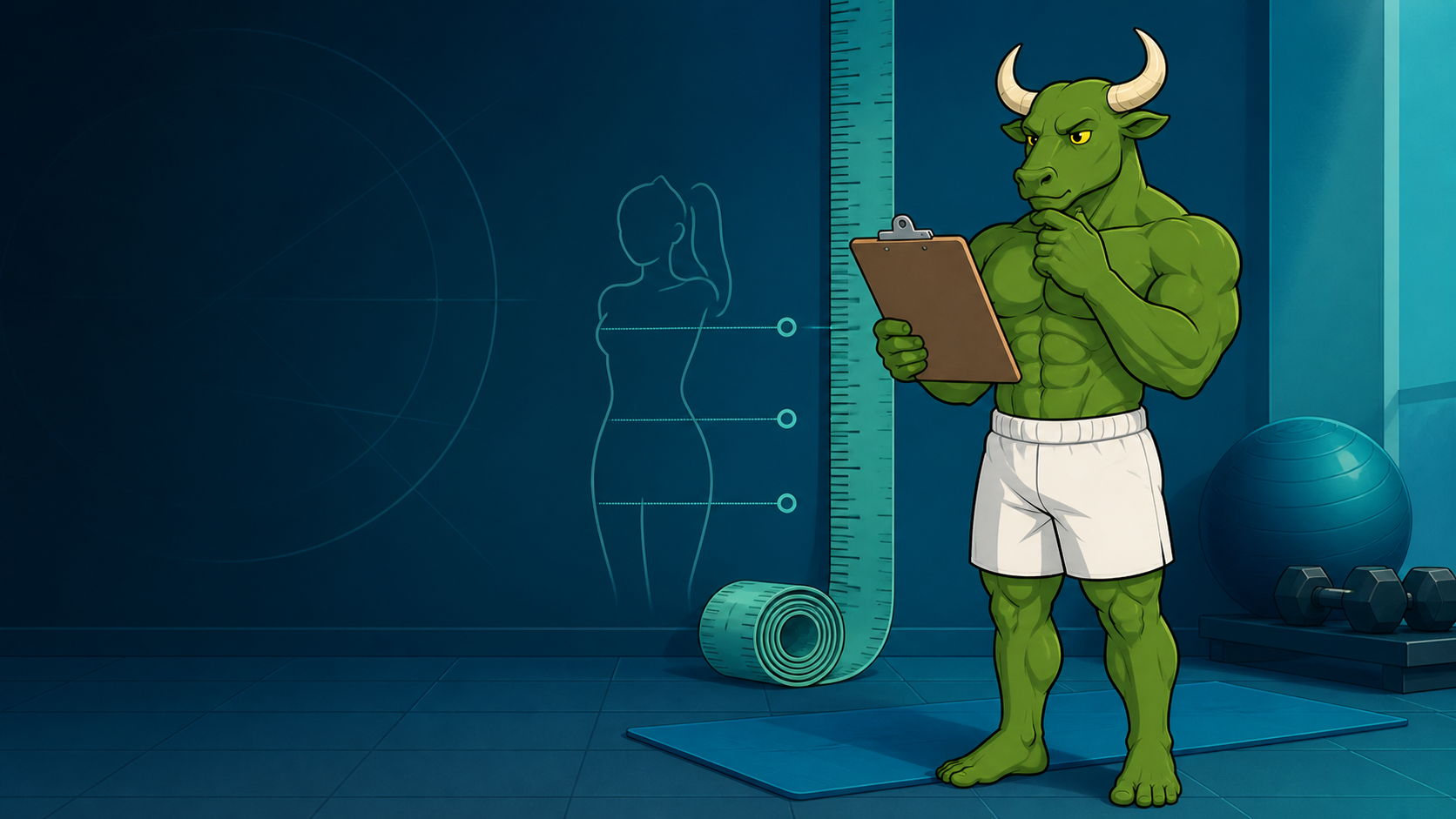
Ideal Body Measurements for Women
There is no single ideal body measurement set for women. Learn how averages, waist-to-height, body shape and repeatable tracking fit together without chasing a fixed beauty standard.
The Reset90 journal
Practical ideas for training, nutrition, and progress. Build a system that works with your life, one day at a time.
Explore the journal
Train smart. Eat well. Show up.
Bring your training, meals, and daily check-ins together in one adaptive 90-day plan.
Training guides, nutrition notes, and lessons from building a more consistent you.
Showing 1–12 of 80 articles
Newest firstFrom the journal
There is no single ideal body measurement set for women. Learn how averages, waist-to-height, body shape and repeatable tracking fit together without chasing a fixed beauty standard.
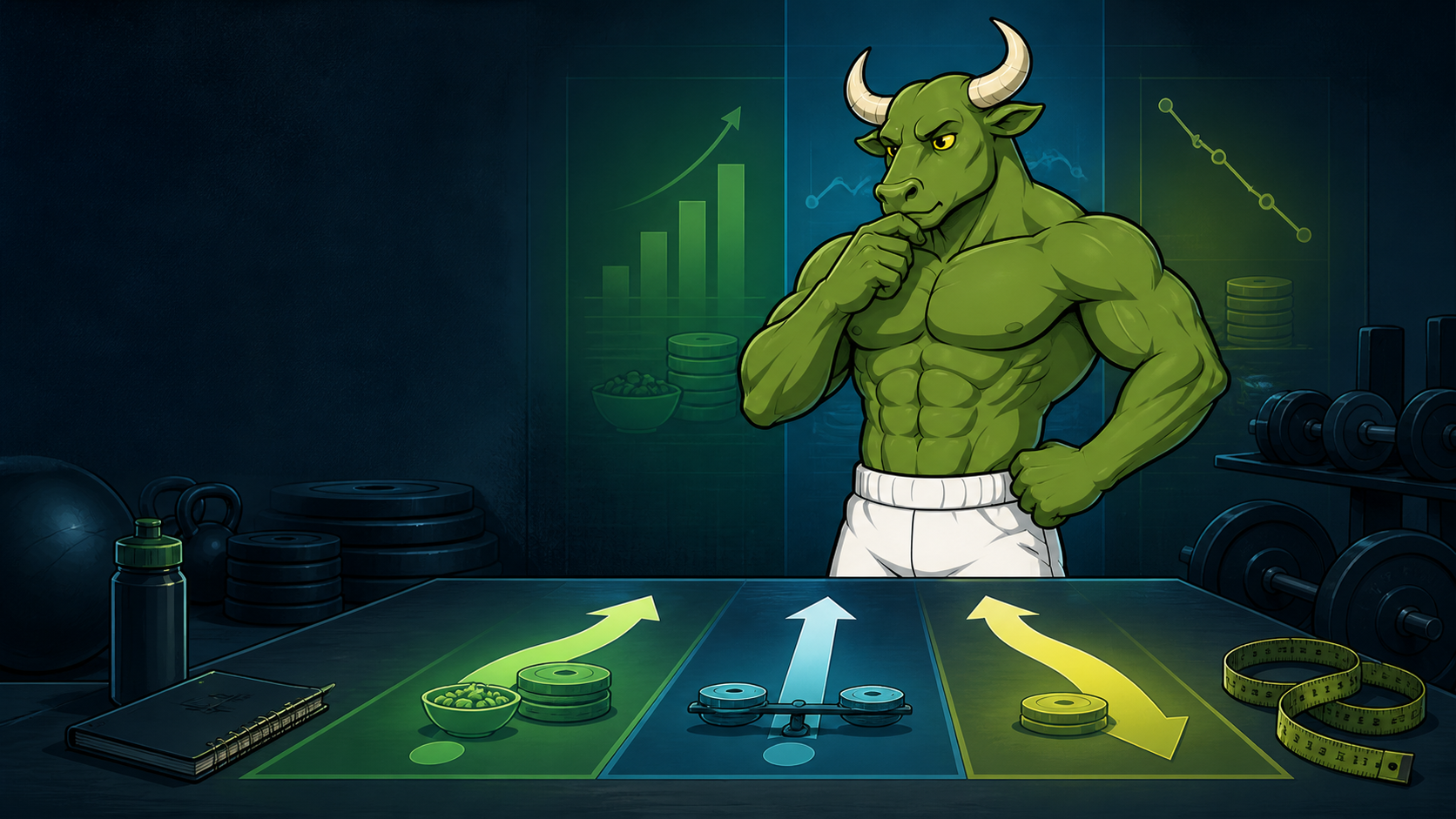
A practical way to choose a bulk, cut, recomp, or maintenance phase using your goal, training age, recovery, and repeatable progress signals.
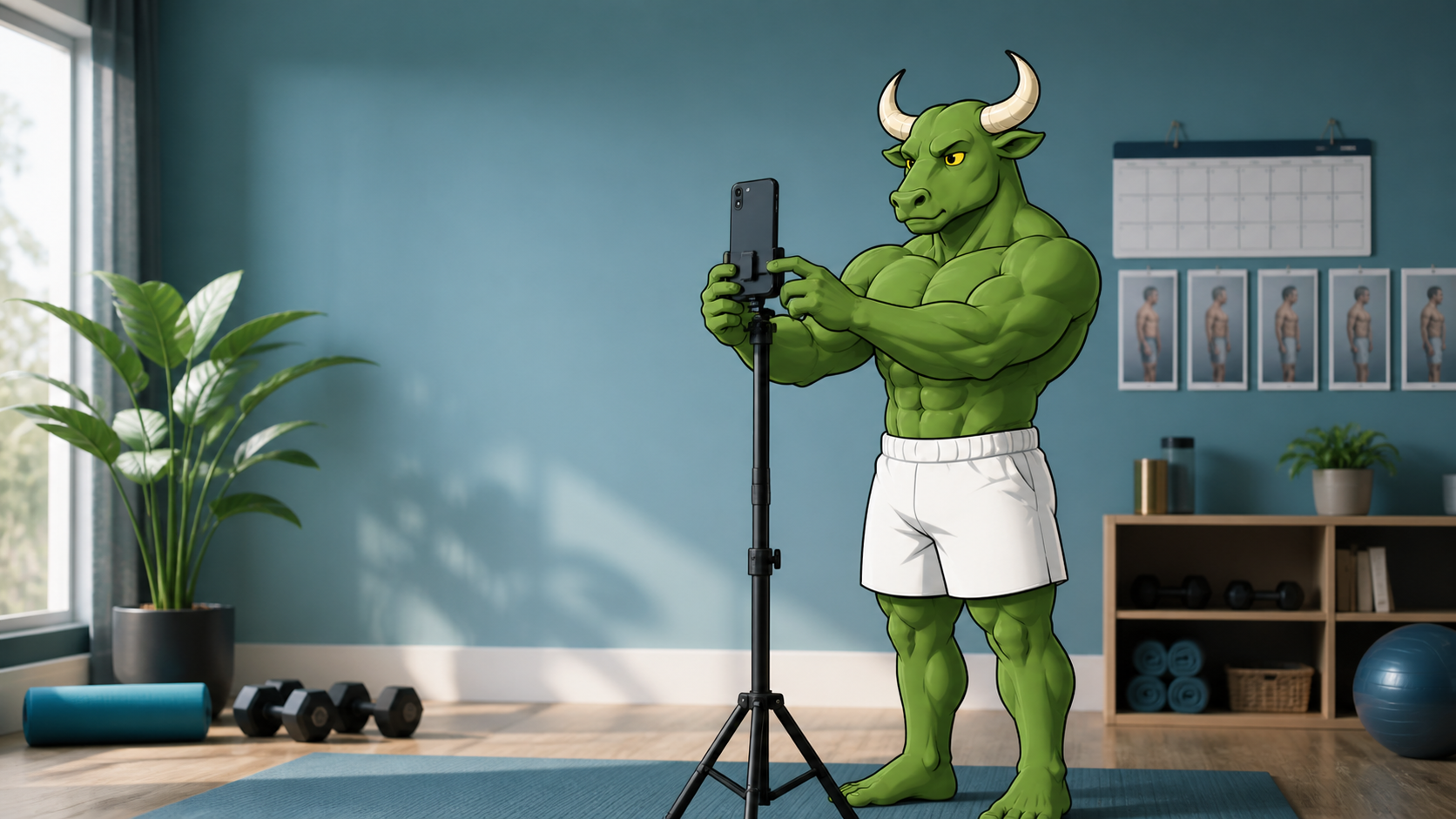
How often should you take progress photos? Use this goal-based guide to choose weekly, biweekly, or monthly check-ins and make every comparison more consistent.
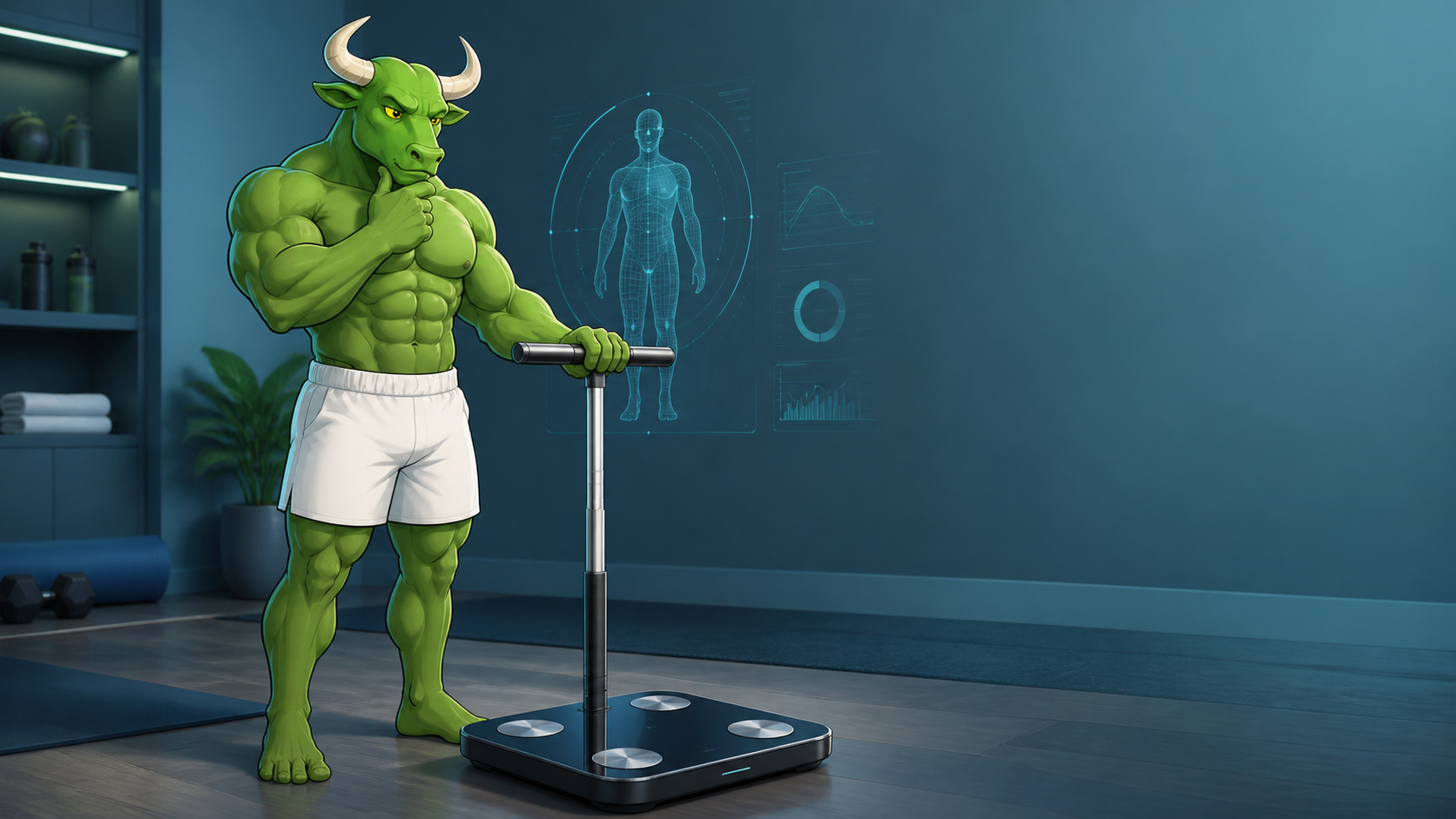
The Withings Body Scan adds segmental BIA, ECG-style checks, wellness signals, and Apple Health sync to a premium smart-scale workflow. Here is who should buy it—and who should skip the price.
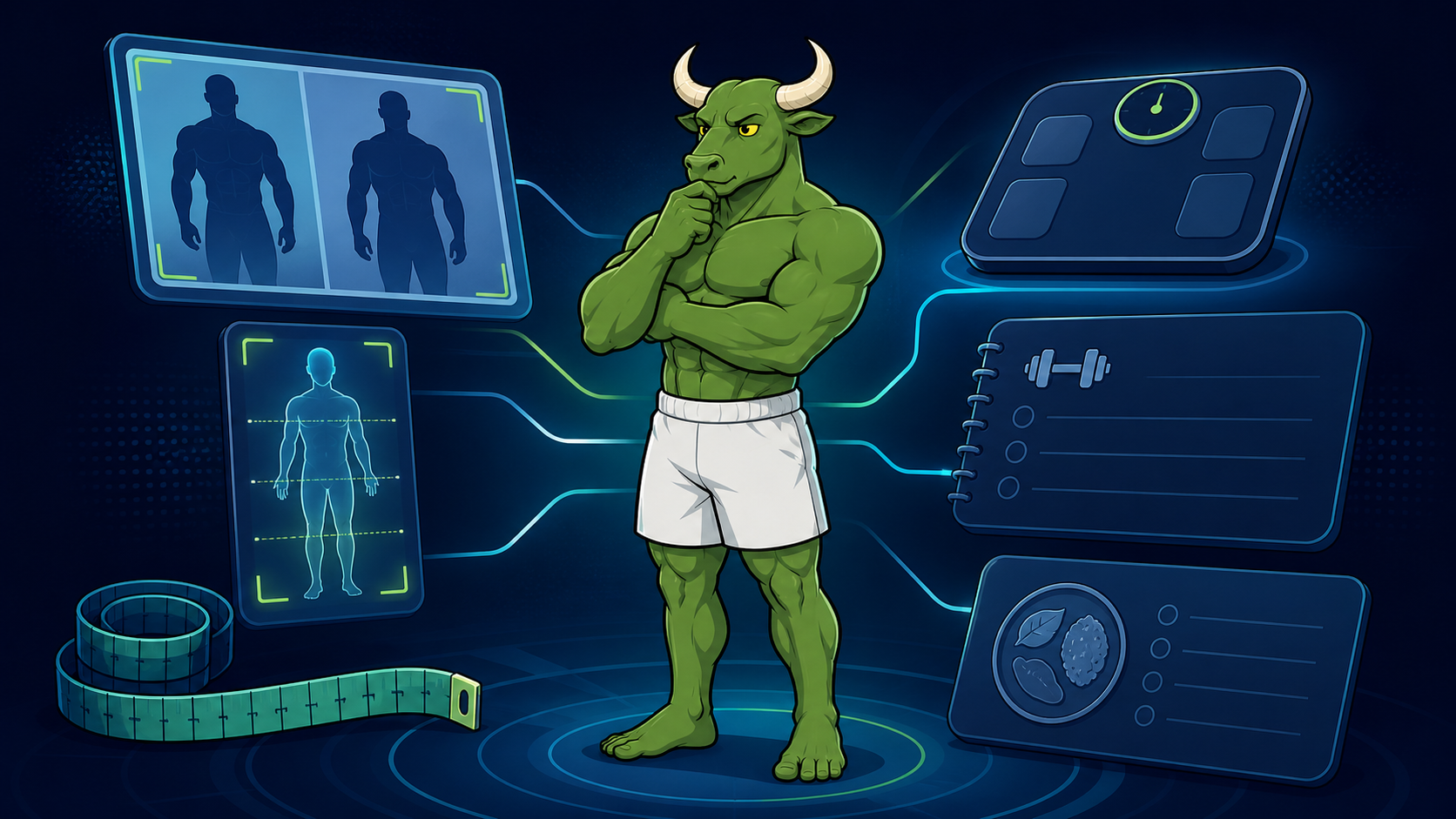
The best body tracking app depends on what you want to see: photos, body composition, measurements, weight, strength, or nutrition. Compare every type and choose the smallest stack that fits your goal.
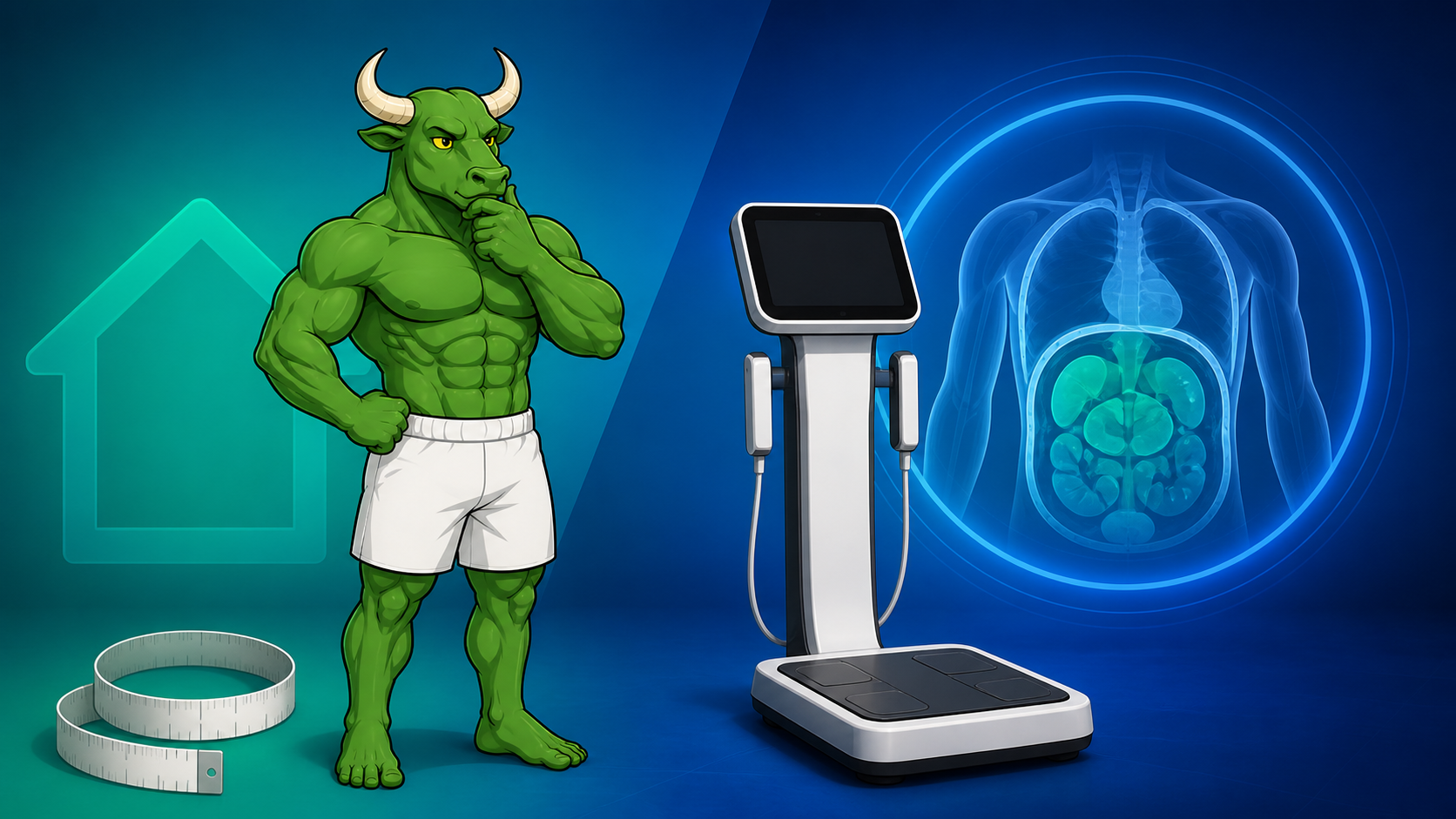
A visceral fat level is a device-specific estimate, not a universal diagnosis. Learn how to read the number, compare testing methods, and follow the trend.
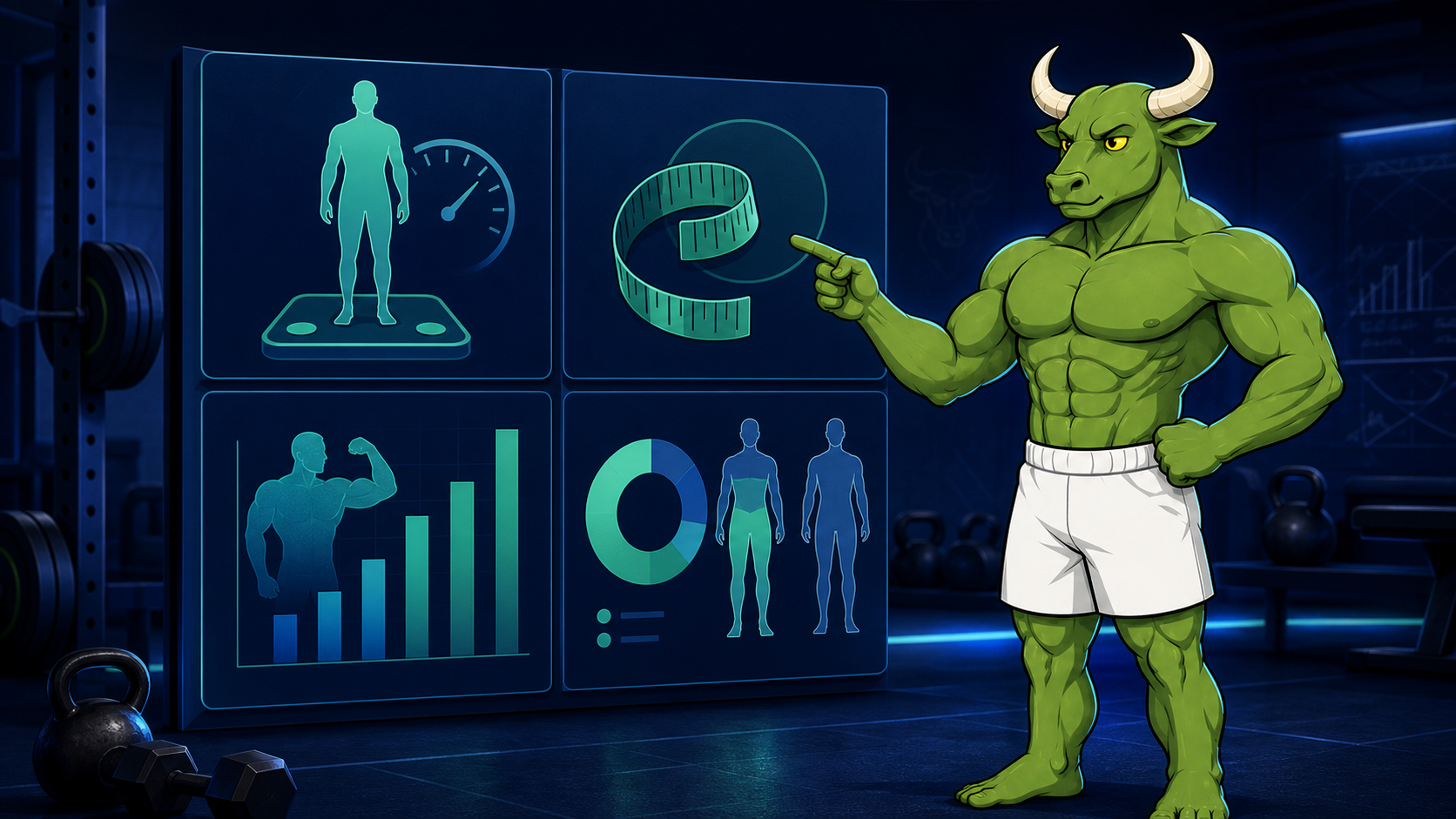
Learn how lifters should use BMI, body-fat percentage, lean mass, and FFMI together—what each metric measures, where it fails, and how to track progress by goal.

Learn what skeletal muscle mass percentage means, how age and sex affect reference ranges, why smart-scale numbers vary, and how to track the trend safely.
A tape measure and a smart scale measure different things. Learn which signal to trust for fat loss, recomposition, and weight trends, plus a repeatable tracking protocol.
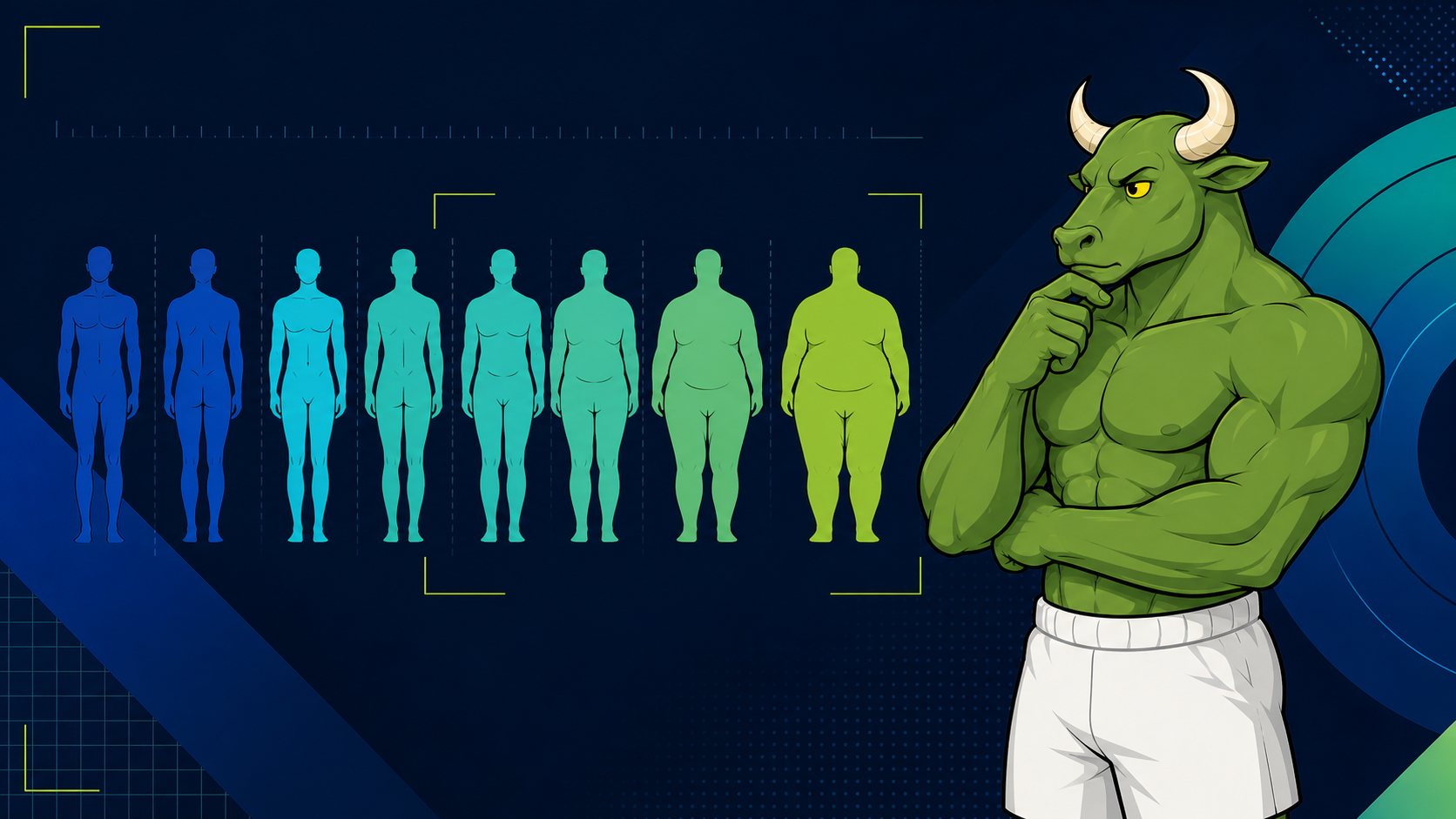
Body composition pictures can teach visual patterns, but they cannot give you an exact body-fat percentage. Learn how to read them, why the same number looks different, and how to track your own change.
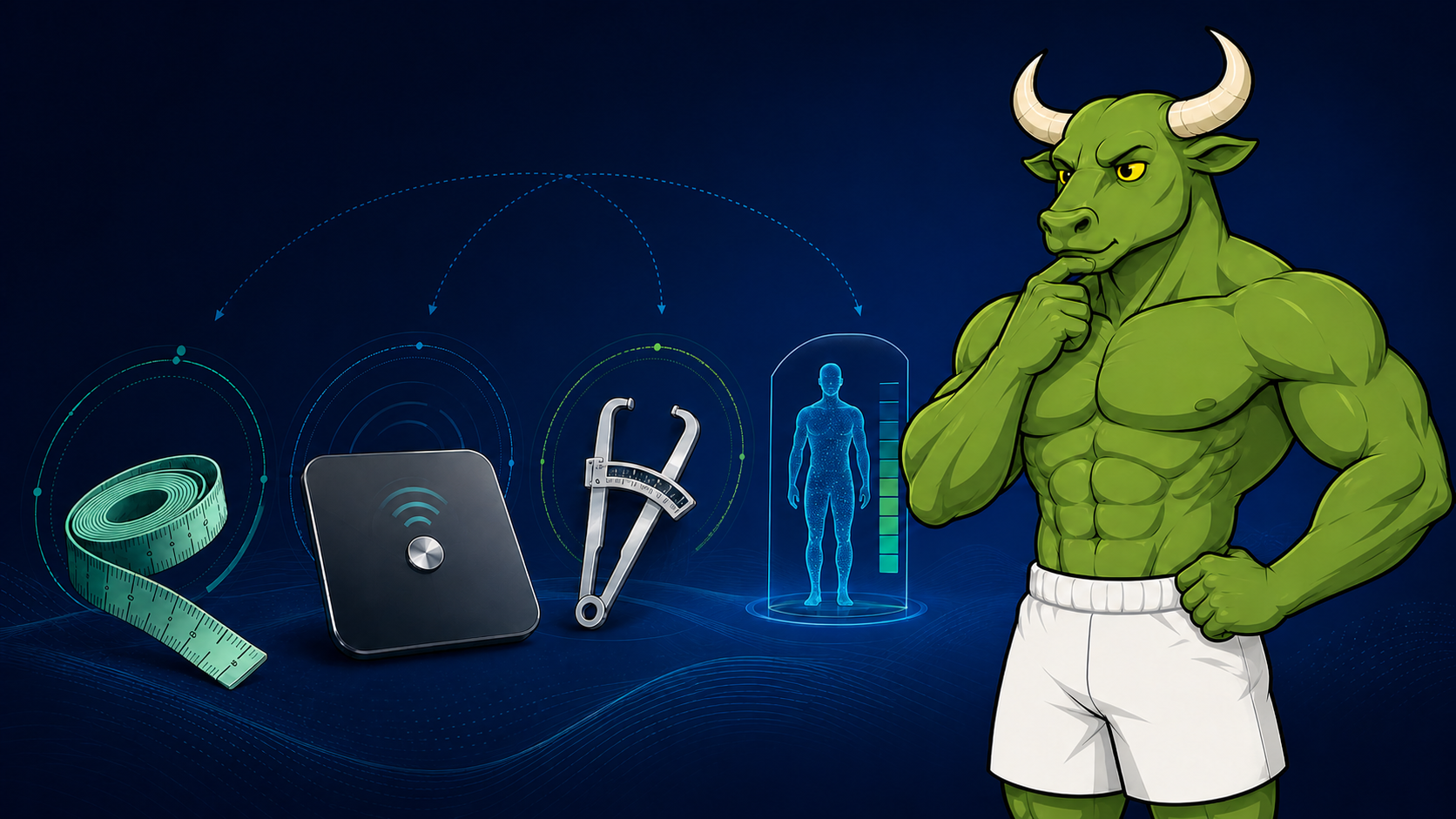
Body-fat calculators are useful estimates, not direct measurements. Compare tape, BIA, calipers, photos, DEXA, and density-based methods without false precision.
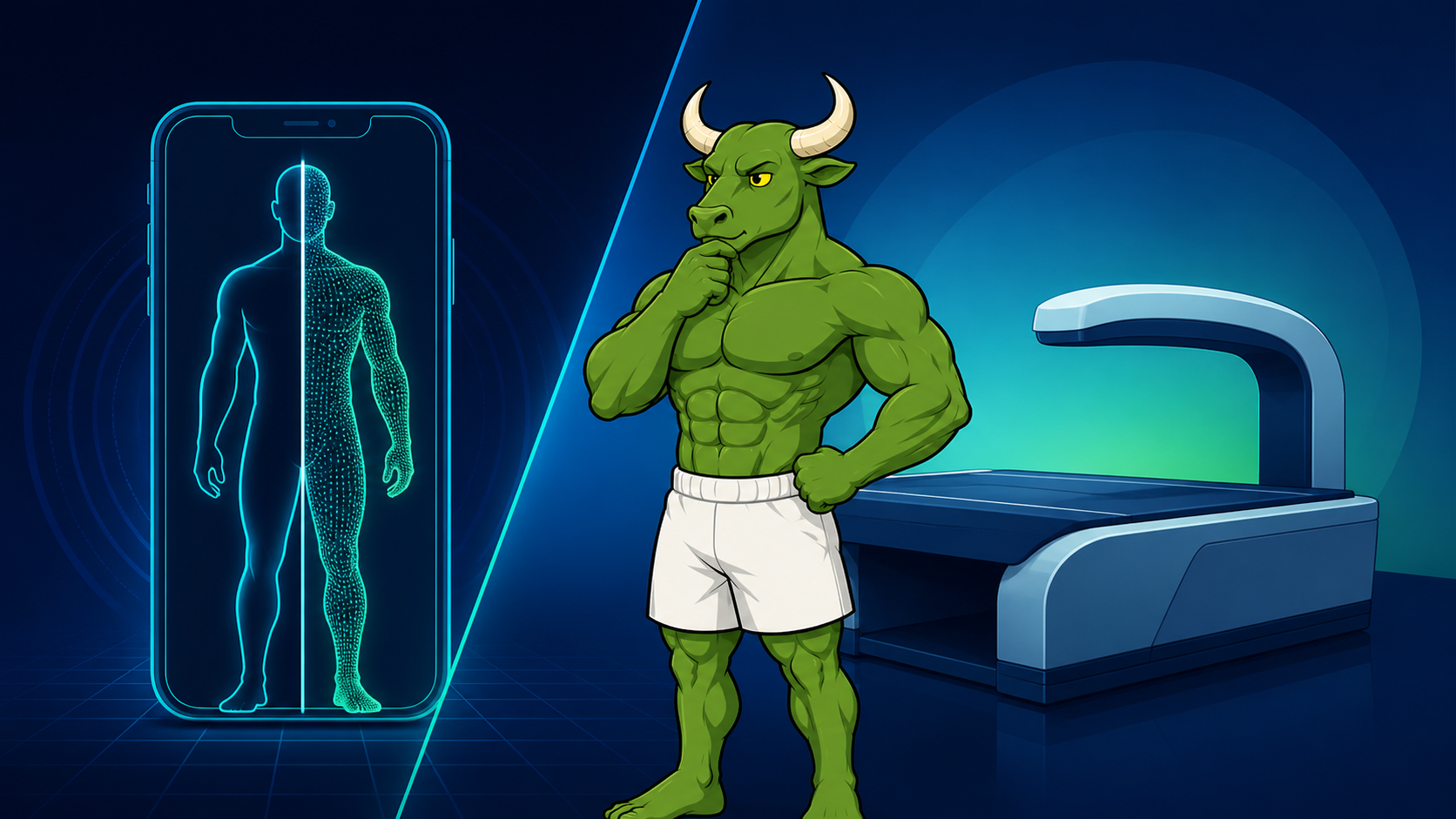
AI body-fat estimates can be useful, but they are not DEXA. Here is what validation studies and real-world tests show, where photo estimates can miss, and how to use them for trend tracking.