


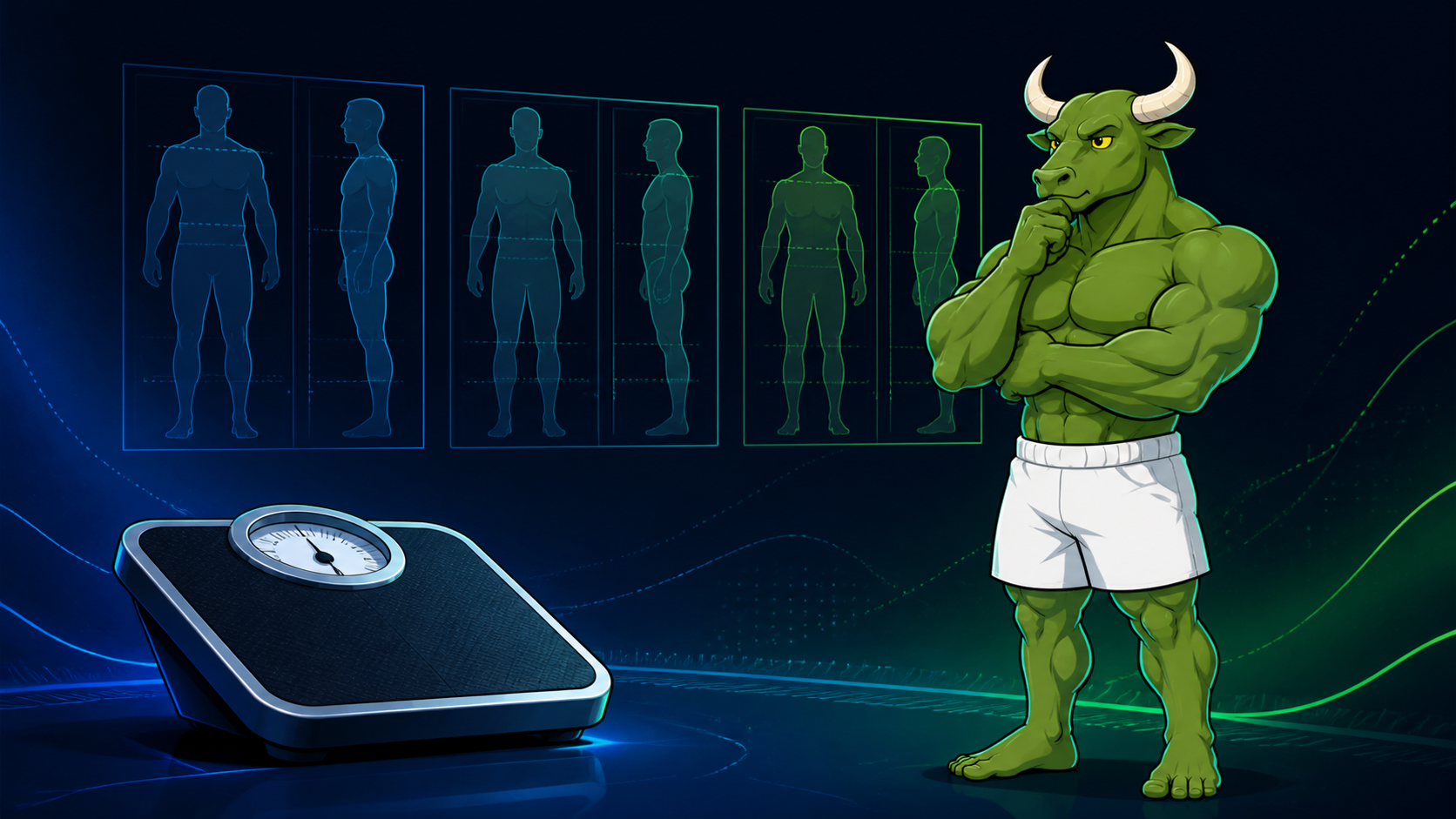
Progress Photos vs. the Scale: What to Trust on a Cut or Recomp
The scale tracks total mass; standardized progress photos show visible shape. Learn which signal should lead on a cut, recomp, bulk, or maintenance phase.
The Reset90 journal
Practical ideas for training, nutrition, and progress. Build a system that works with your life, one day at a time.
Explore the journal
Train smart. Eat well. Show up.
Bring your training, meals, and daily check-ins together in one adaptive 90-day plan.
Training guides, nutrition notes, and lessons from building a more consistent you.
Showing 49–60 of 119 articles
Newest firstThe scale tracks total mass; standardized progress photos show visible shape. Learn which signal should lead on a cut, recomp, bulk, or maintenance phase.

A progress-photo timeline works when the camera, pose, lighting, and comparison windows stay consistent. Use this 2-, 4-, 8-, and 12-week setup.
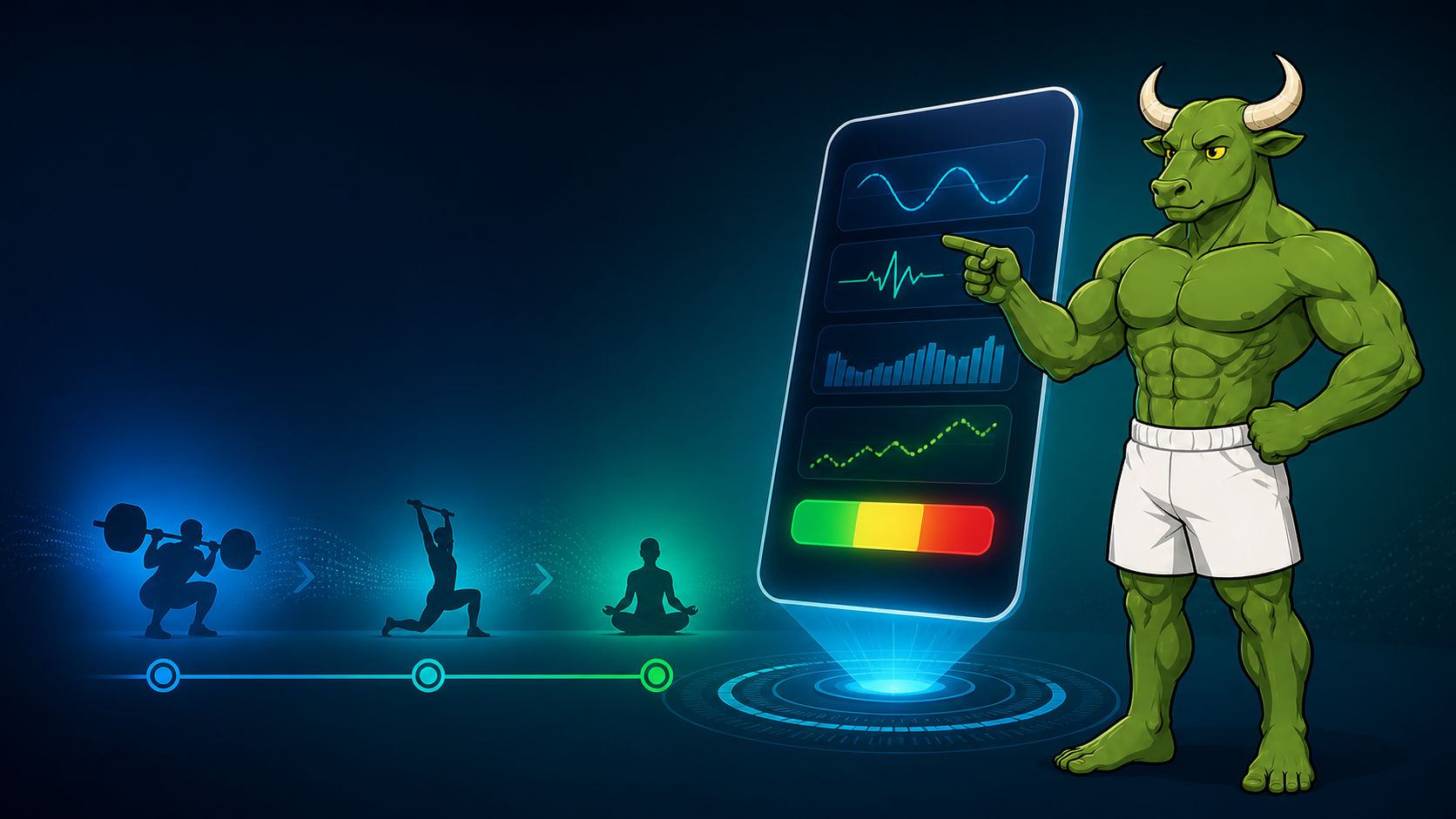
A recovery score is a readiness signal, not an order. Here is how a lifter should use it to train hard, trim volume, or back off without abandoning consistency.
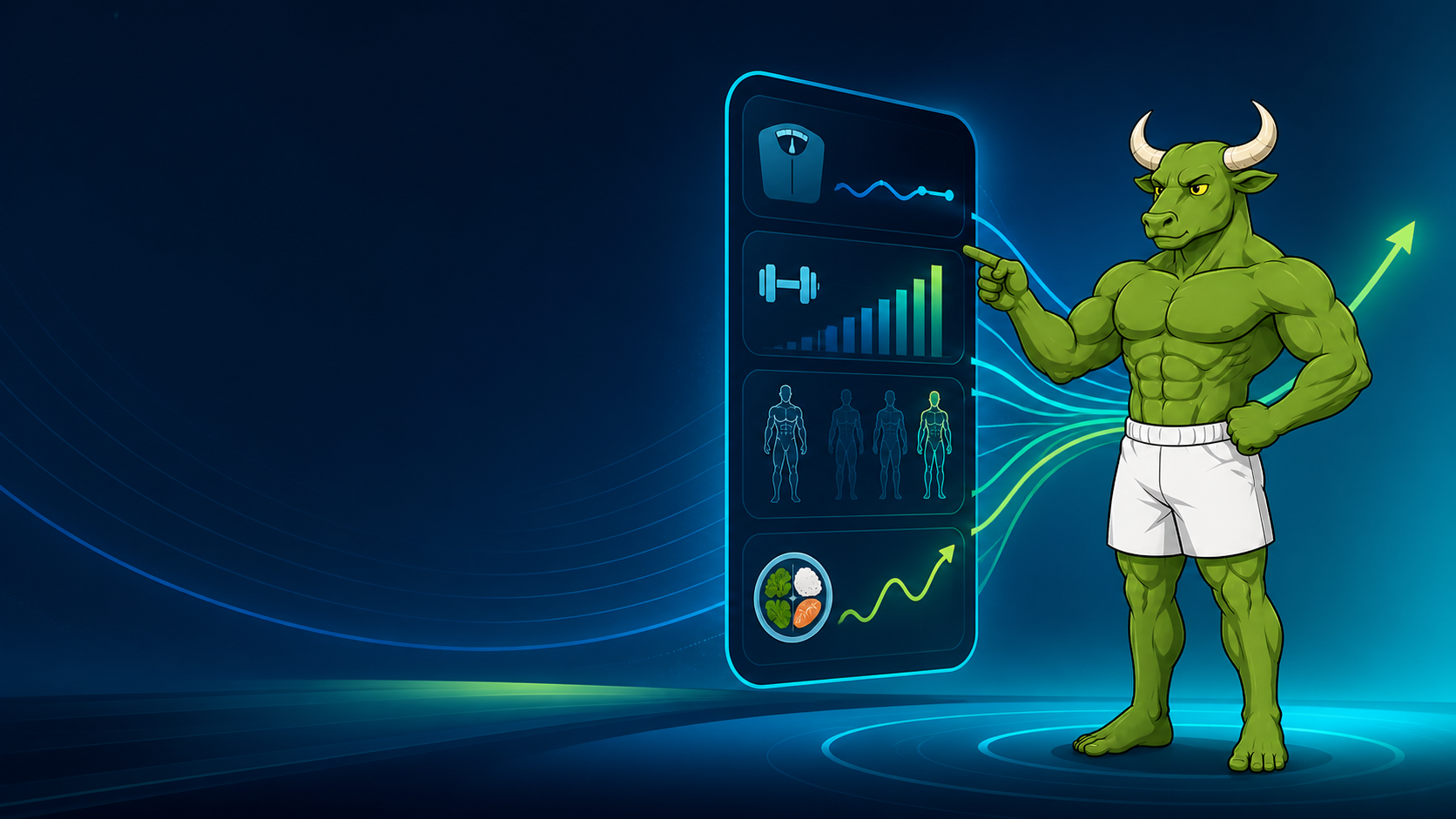
When the scale barely moves, use strength, waist, photos, and weekly weight averages together to tell whether a body recomposition is working.
AI body-scan apps can be useful for tracking a direction, but a single number is not a diagnosis. Here is how to judge repeatability, trend value, and absolute accuracy.
Android has good body-scan and progress-photo options, but they solve different problems. Here is how to choose between 3D measurements, AI photo analysis, and a repeatable progress timeline.
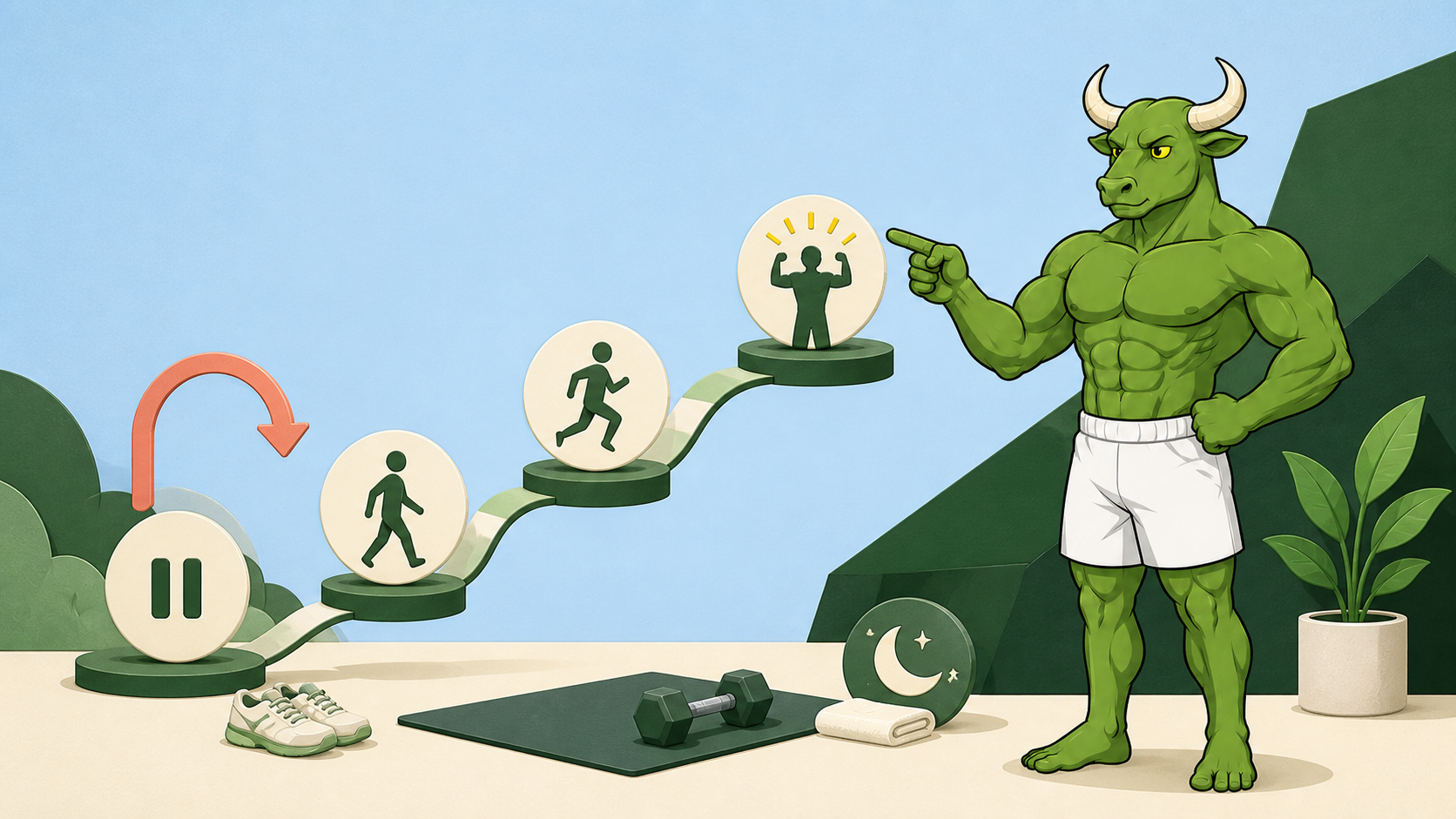
A return-to-training plan should rebuild tolerance before it chases performance. Use this four-phase 90-day framework to restart gradually, track recovery, and progress without repeating your old peak program on day one.
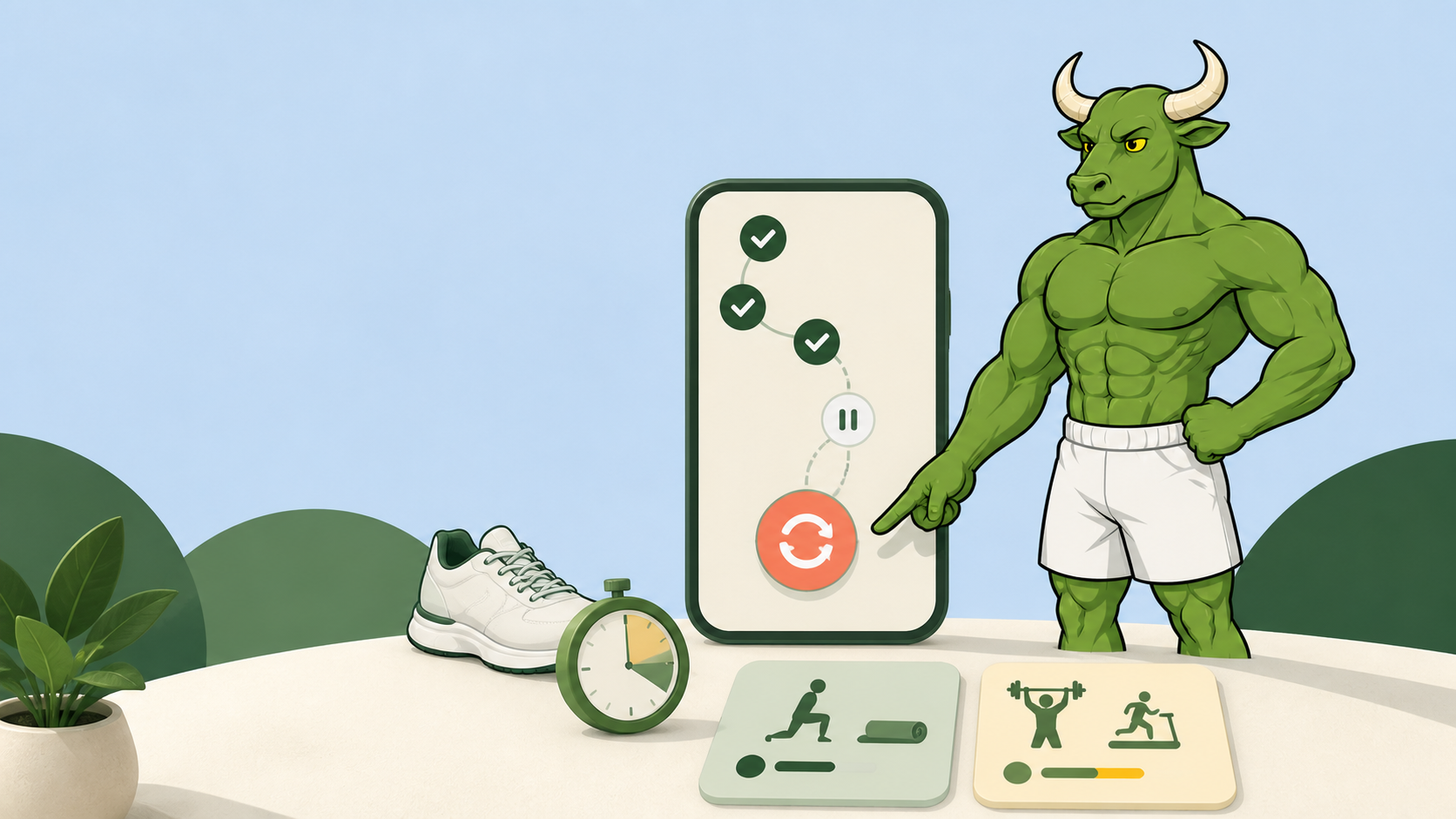
The real test of a fitness app is not whether it starts a workout on a motivated day. Learn how minimum sessions, flexible scheduling, recovery paths, and better progress signals help you return after a missed workout.
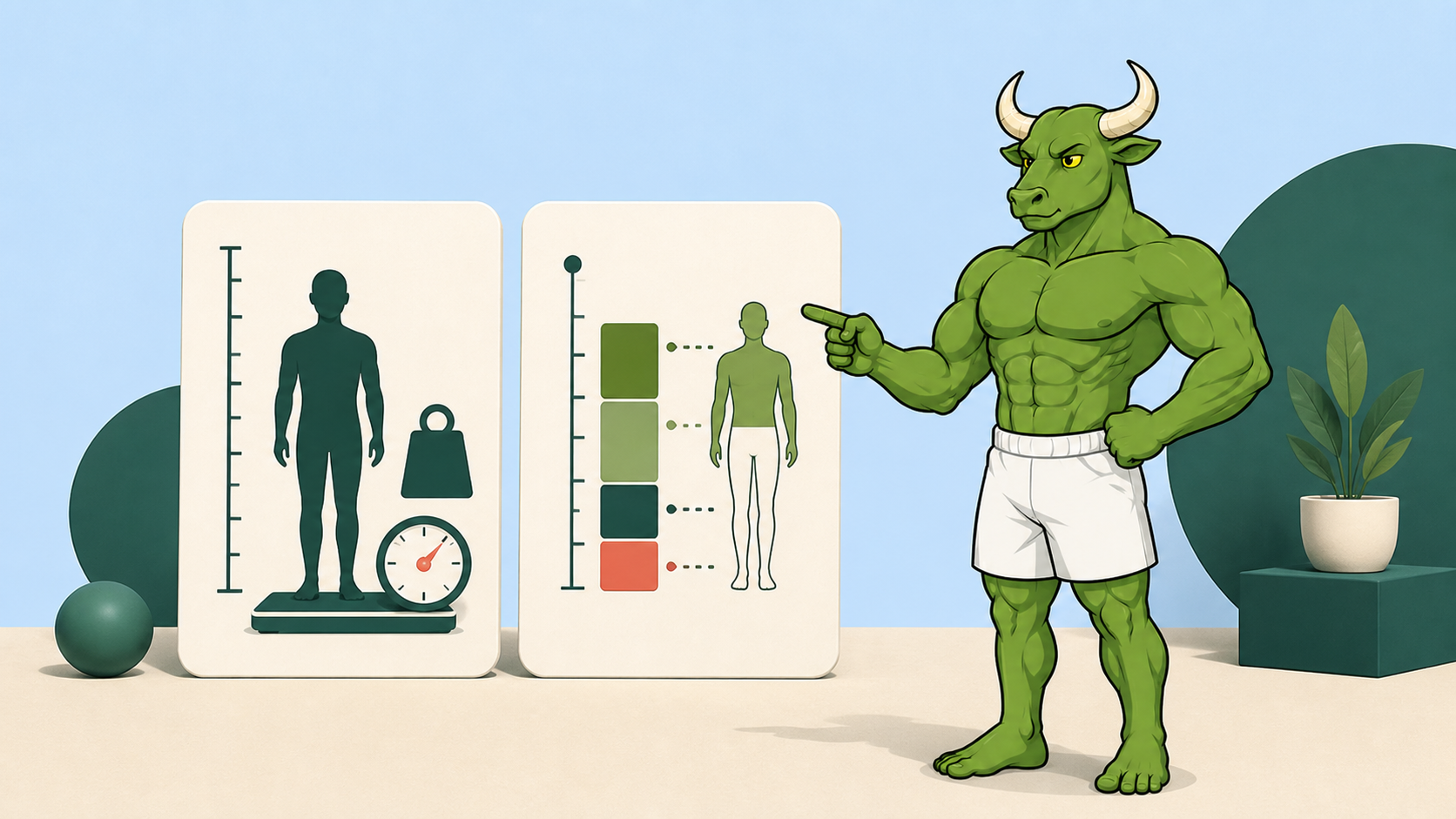
BMI compares total body weight with height. FFMI puts estimated fat-free mass in the context of height. Learn when to use each metric, why neither tells the whole story, and how to track better trends.
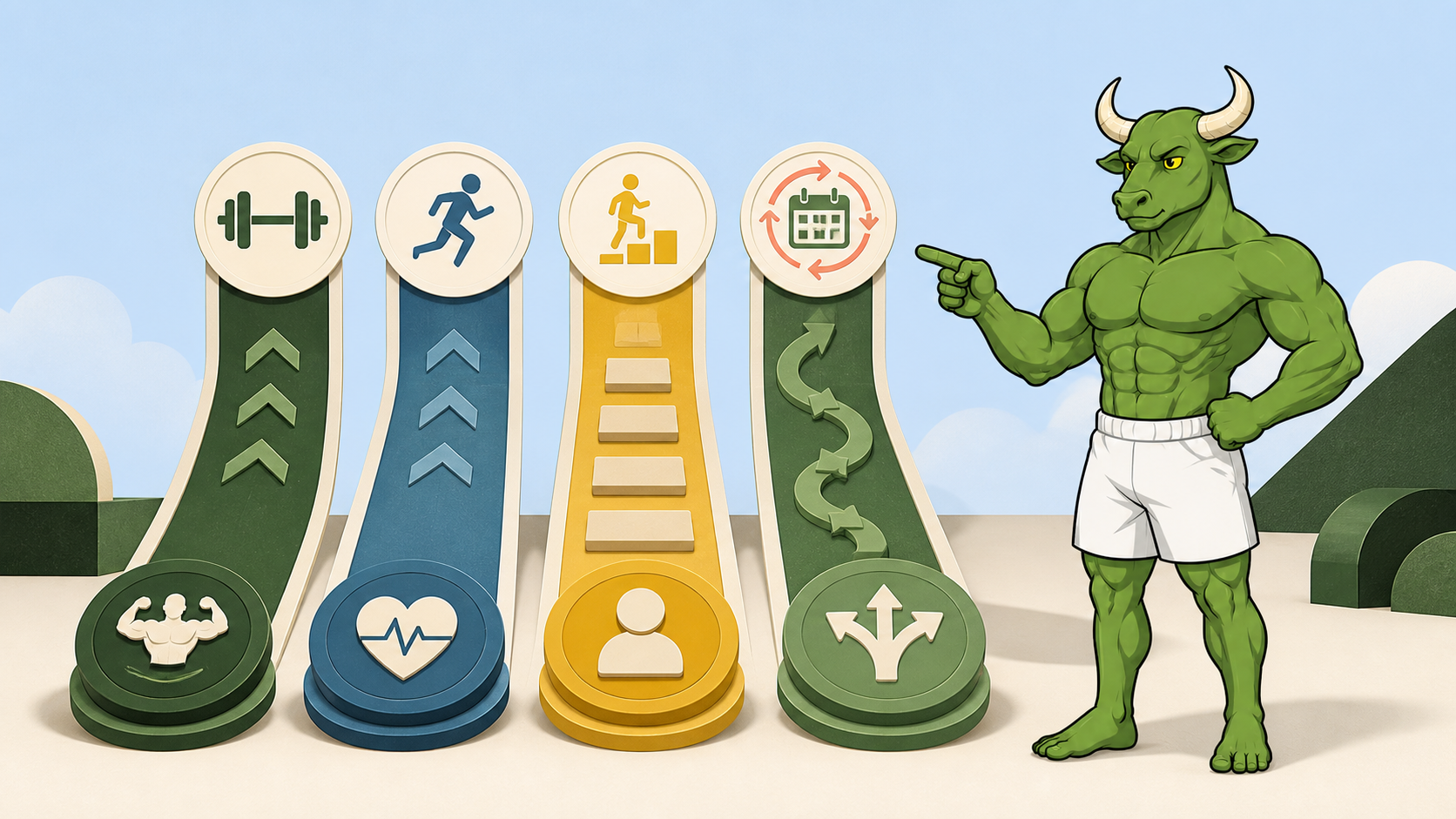
Compare 90-day exercise program types by goal, progression, recovery, and flexibility so you can choose the right framework before building your weekly schedule.
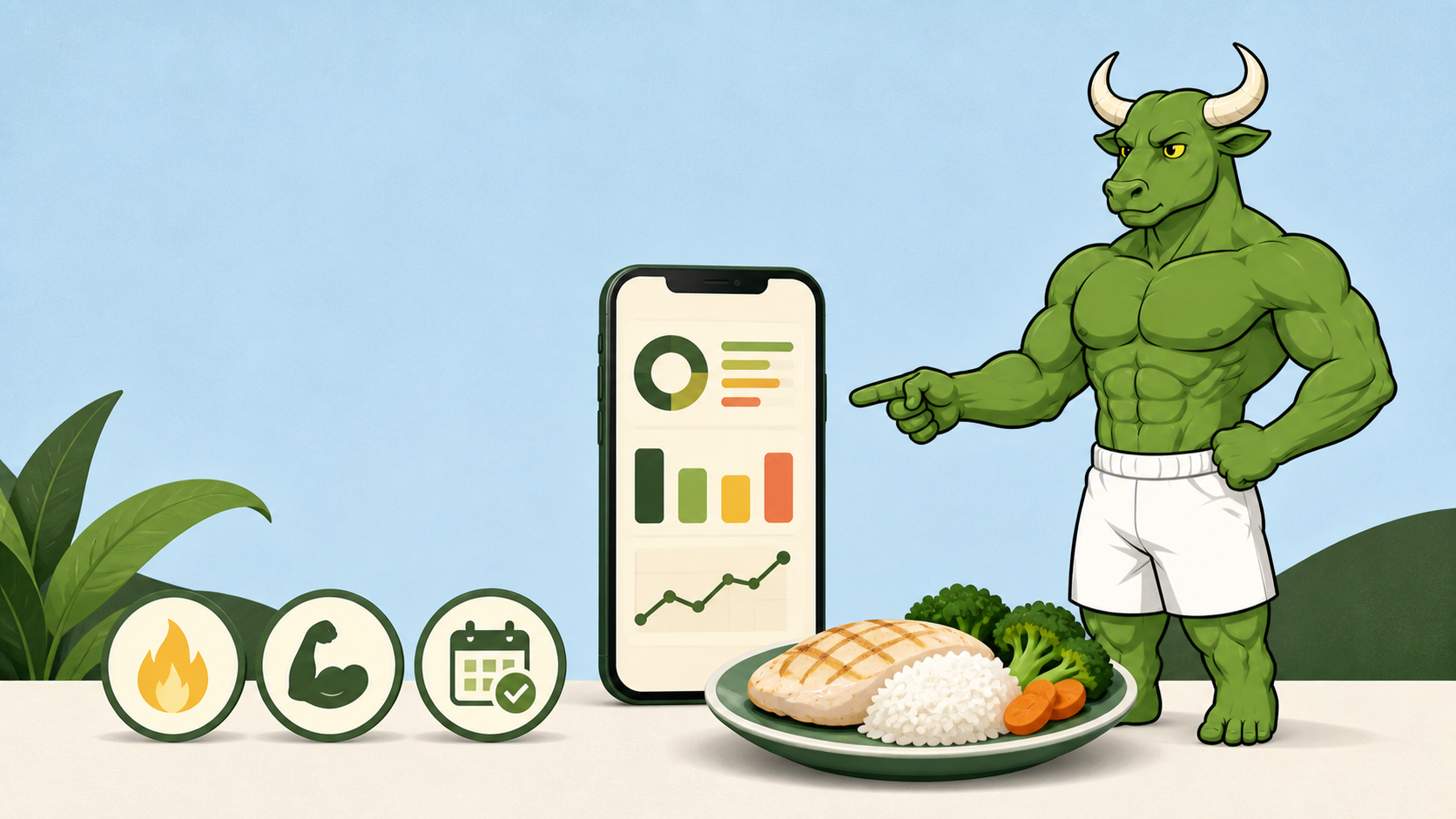
A food tracking app is useful only when it turns meals into decisions. Learn how to set calorie and protein targets, log consistently, and adjust your plan from weekly trends.
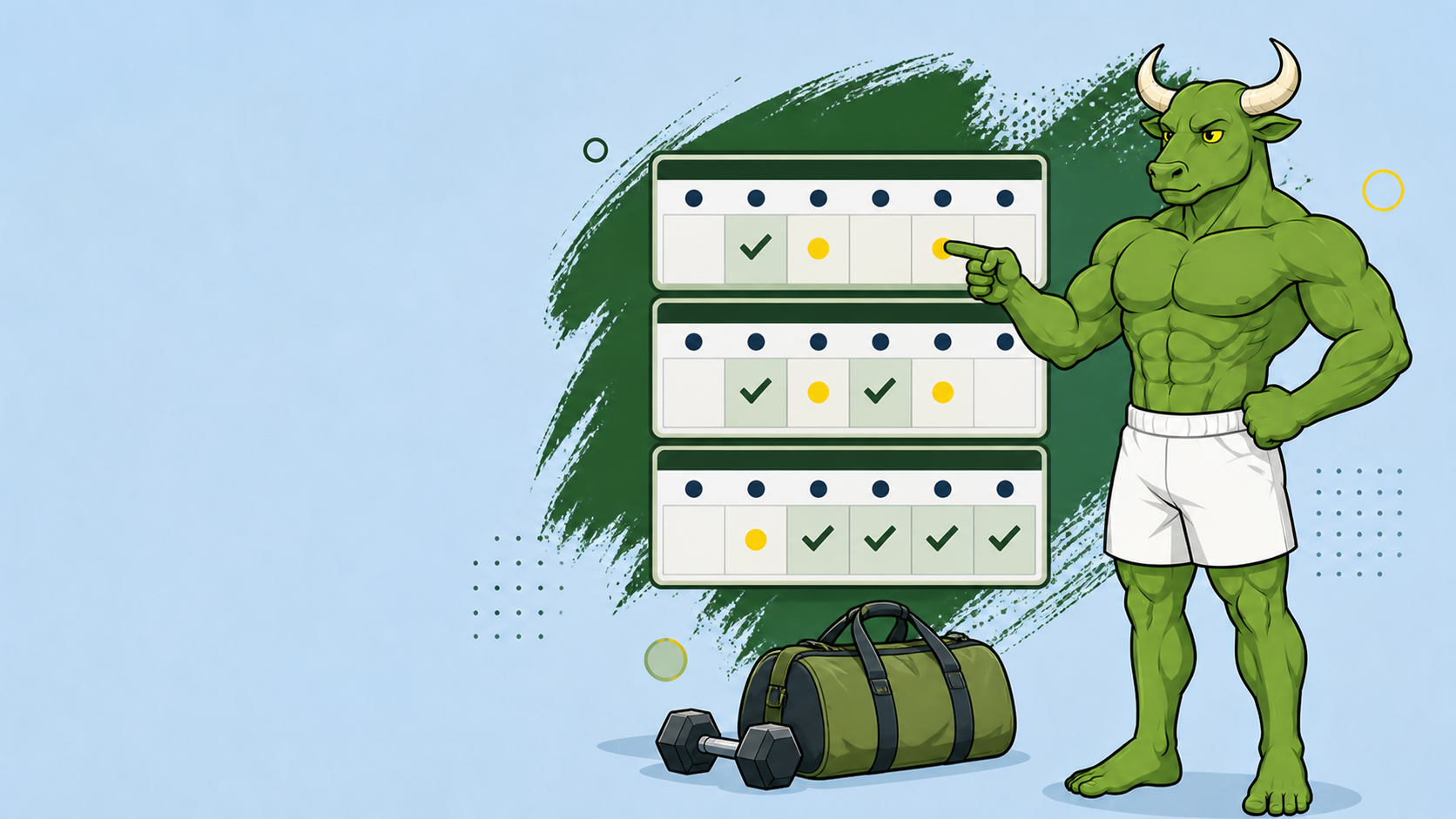
A 90-day plan only works if it survives your real calendar. Use these 2-day, 3-day, and 4-day weekly schedules to build a repeatable training block without cramming missed sessions.