



How Often Should You Train Abs? A Weekly Schedule by Goal and Recovery
Most people should train their abs directly two or three times per week. Learn how to balance frequency, intensity, recovery, and a repeatable weekly plan.
The Reset90 journal
Practical ideas for training, nutrition, and progress. Build a system that works with your life, one day at a time.
Explore the journal
Train smart. Eat well. Show up.
Bring your training, meals, and daily check-ins together in one adaptive 90-day plan.
Training guides, nutrition notes, and lessons from building a more consistent you.
Showing 13–24 of 119 articles
Newest firstMost people should train their abs directly two or three times per week. Learn how to balance frequency, intensity, recovery, and a repeatable weekly plan.

Losing inches while your scale stays flat can be a sign of body recomposition—but it can also reflect water, measurement noise, or a true plateau. Learn how to read the pattern, audit your measurements, and decide what to do next.

Newbie gains are real, but they are not a permanent shortcut. Learn why beginners progress quickly, how long the phase usually lasts, what changes when it slows, and how to build a sustainable training system.

Use this body fat percentage chart by age and sex to understand common ranges, measurement limits, and how to track a real trend without treating one number as a diagnosis.

What are the signs of muscle growth? Learn which signals matter before the mirror changes, how to review strength and body-composition trends, and how to avoid mistaking soreness or one good workout for proof.
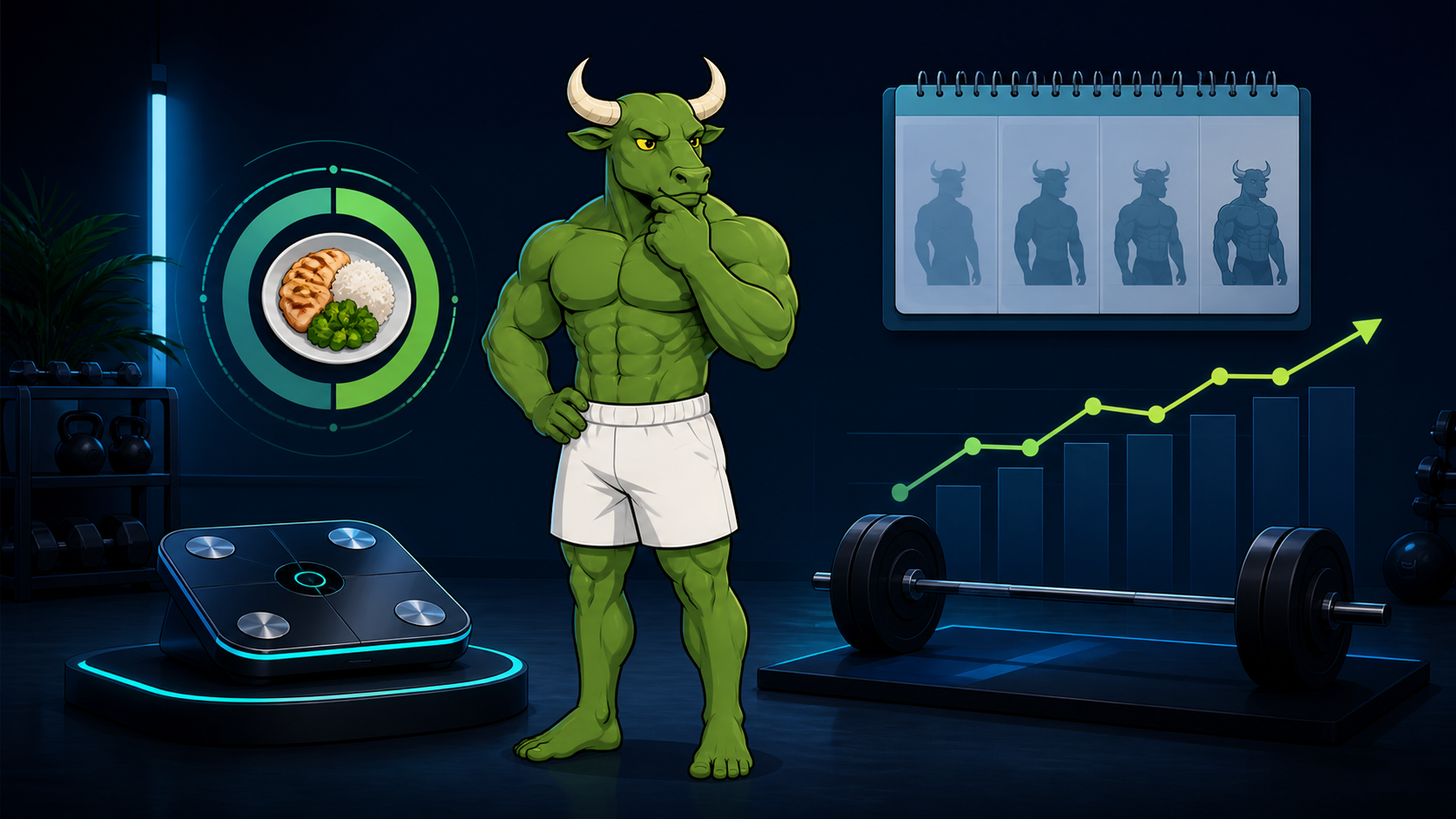
Learn how to set up a controlled lean bulk with a modest surplus, consistent protein and training, then use a 30-day calibration and four-week audit to limit unnecessary fat gain.

How long does it take to get abs? Learn what changes the timeline, what 30 days or three months can realistically do, and how to track progress without fake deadlines.

Why does your weight fluctuate? Learn how water, food, training, hormones, and timing move the scale—and how to read the weekly trend instead of one morning.
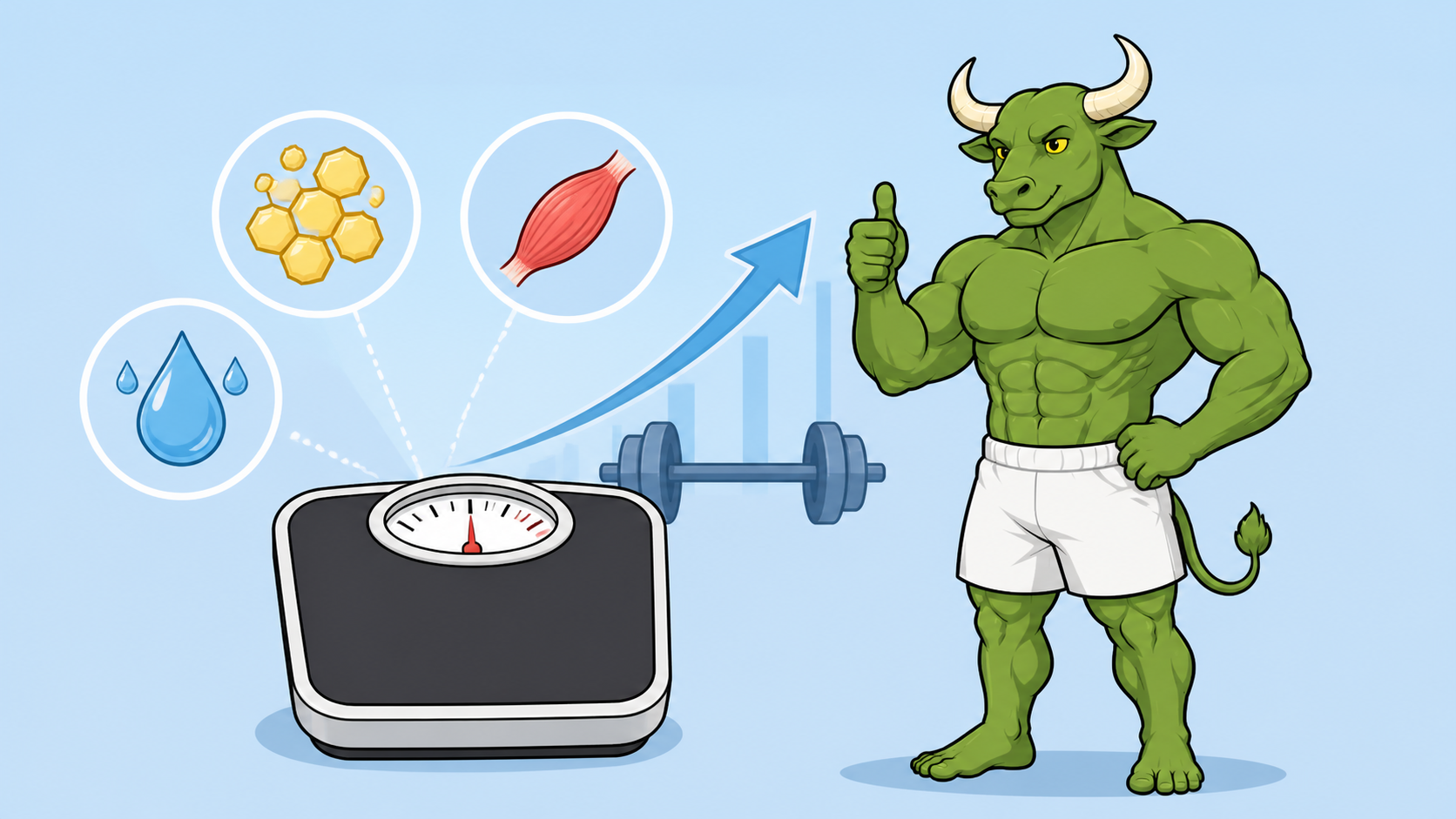
Starting a lifting routine can raise the scale before your progress is obvious. Learn how glycogen, water, repair fluid, food, muscle, and calorie surplus affect weight—and how to read the trend.

Lean bulk or dirty bulk? Compare surplus size, muscle gain, fat gain, food flexibility, and the four-week tracking loop that helps you choose.

Smart scales are useful for weight and cautious trend tracking, but body-fat estimates are noisy. Learn what to trust and how to measure consistently.

Average body fat percentage changes with age and differs by sex, but a population average is not a personal goal. Learn how to read age-based tables, understand measurement limits, and track your own trend without treating one number as a diagnosis.